Liverpool's Squad Imbalance: A £200m Investment with Flaws
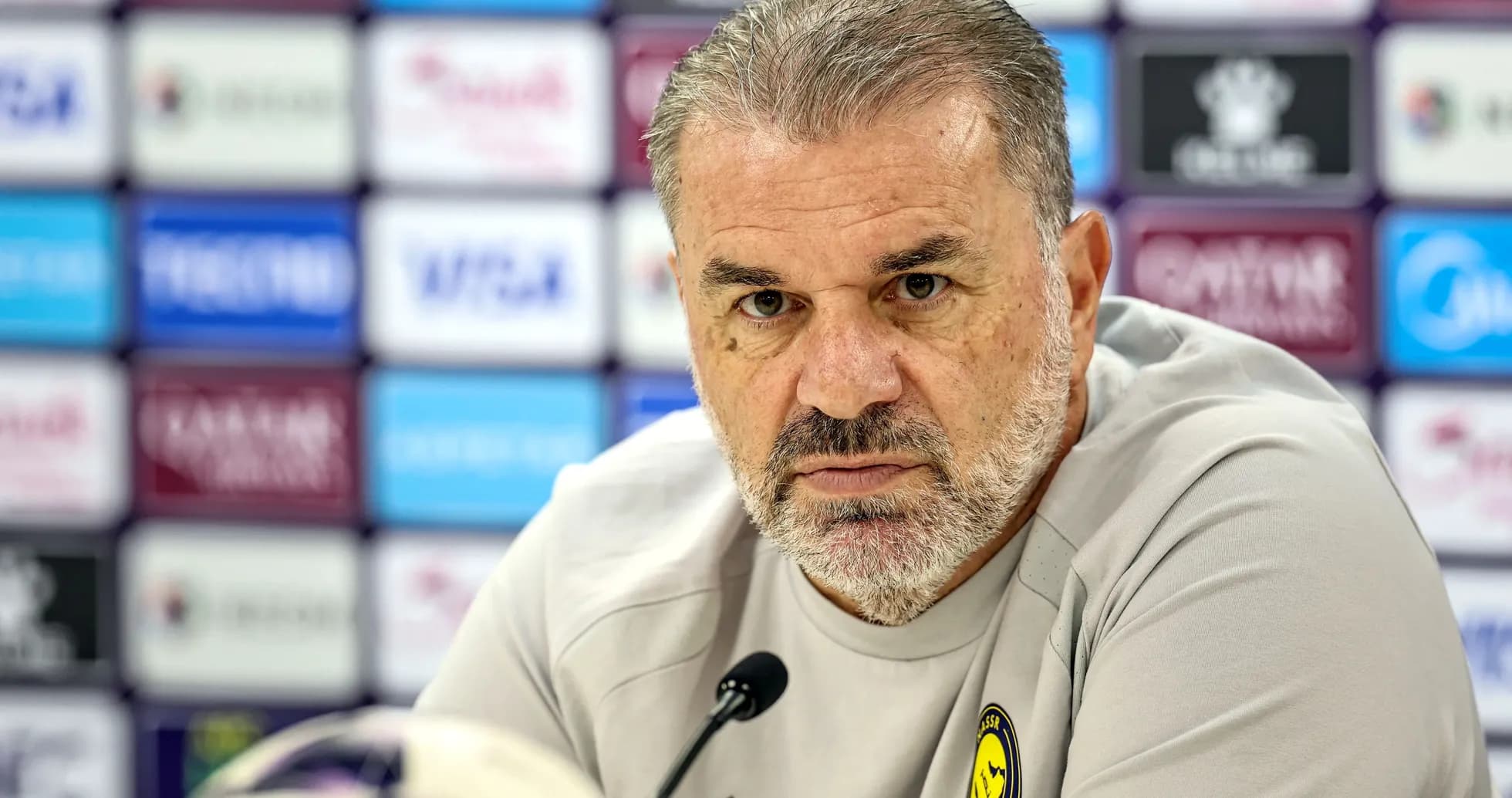
Liverpool have just thrown another £200m-plus at the squad, a bigger net outlay than last summer, and yet Andoni Iraola walks away from the window with a team that looks anything but complete.
More money. More talent. More doubt.
Jamie Carragher did not bother dressing it up. "It does not look like a balanced squad," he told Sky Sports. "Liverpool are short in the full-back areas and probably a midfield player as well." One sharp line that cuts straight to the heart of the unease, even after the £123m arrival of Bradley Barcola from Paris Saint-Germain.
Because even that headline signing lands right on the fault line of Liverpool’s planning.
A lopsided attack
Liverpool have just lost Mohamed Salah, the best left-footed right-winger the Premier League has seen. In his place? A collection of left-sided forwards and inverted options that crowd one flank and leave the other looking oddly understocked.
"Liverpool have not got a real out-and-out right-sided attacker," Carragher said. "We have not got anybody with a left foot on that right side, like Mo Salah. I am disappointed. I am not quite sure what we are going to do on that right wing right now."
Barcola can play across the line, yes, but nobody pays that kind of fee to use a player as a plug. His best work has come from the left. Cody Gakpo has been stationed there too. Florian Wirtz and Hugo Ekitike have also operated from that channel.
The left is busy. The right is a question.
Rio Ngumoha, who broke through on the left, has been pushed to the opposite wing in pre-season. Victor Munoz, signed off the back of one strong top-flight campaign, is again primarily a left winger being nudged into a role that suits the needs of the squad more than his own profile.
None of this is enough, on its own, to condemn Liverpool’s recruitment. It is not chaos. It is curiosity. But supporters can see the gaps elsewhere. The squad looks swollen in some areas and thin in others, a team built with bold strokes but little symmetry.
Full-backs at the heart of the problem
That imbalance is clearest at full-back, the very positions Iraola’s system leans on most.
When Jeremie Frimpong arrived last summer, Liverpool were keen to insist he was not a direct replacement for Trent Alexander-Arnold at right-back. Two games into this season, that is exactly where the Netherlands international has been stationed.
With Conor Bradley injured, Frimpong is the closest thing to a specialist in the role. Some argue Dominik Szoboszlai could fill in, but that feels like a workaround rather than a plan. Dragging a centre-back into that position would be even more of a compromise, given how heavily Iraola relies on his full-backs to drive the game.
The numbers back it up. Frimpong and Milos Kerkez both sit among the top three players in the Premier League this season for sprints. Above them? Adrien Truffert, a familiar figure from Iraola’s Bournemouth days. This is not a quirk. It is the core of his football.
Look at the average positions from Liverpool’s opening two league games and compare them to that title-winning campaign under Arne Slot. The full-backs fly high, often at the same time, which drags the midfield into a different kind of work: covering, plugging, extinguishing counters before they ignite.
That is where the anxiety creeps in.
A midfield asked to do everything
Ryan Gravenberch stepped up magnificently under Slot in that title season, but the demands now are different. Alexis Mac Allister’s reduced physical output over the past 18 months raises another concern. Can this midfield really provide the protection Iraola’s approach requires?
Is he even looking for a classic holding midfielder? At Bournemouth, Iraola wanted his players to step forward, not sit. Alex Scott spoke of being "very aggressive" without the ball. Tyler Adams talked about a group that believed they would win possession high up the pitch.
That ambition is starting to show its risk at Liverpool.
"I do not believe that midfield can function with the personnel in there," Carragher warned. "For me, it does not work. And it is not just about personnel, it is the structure the manager is asking for."
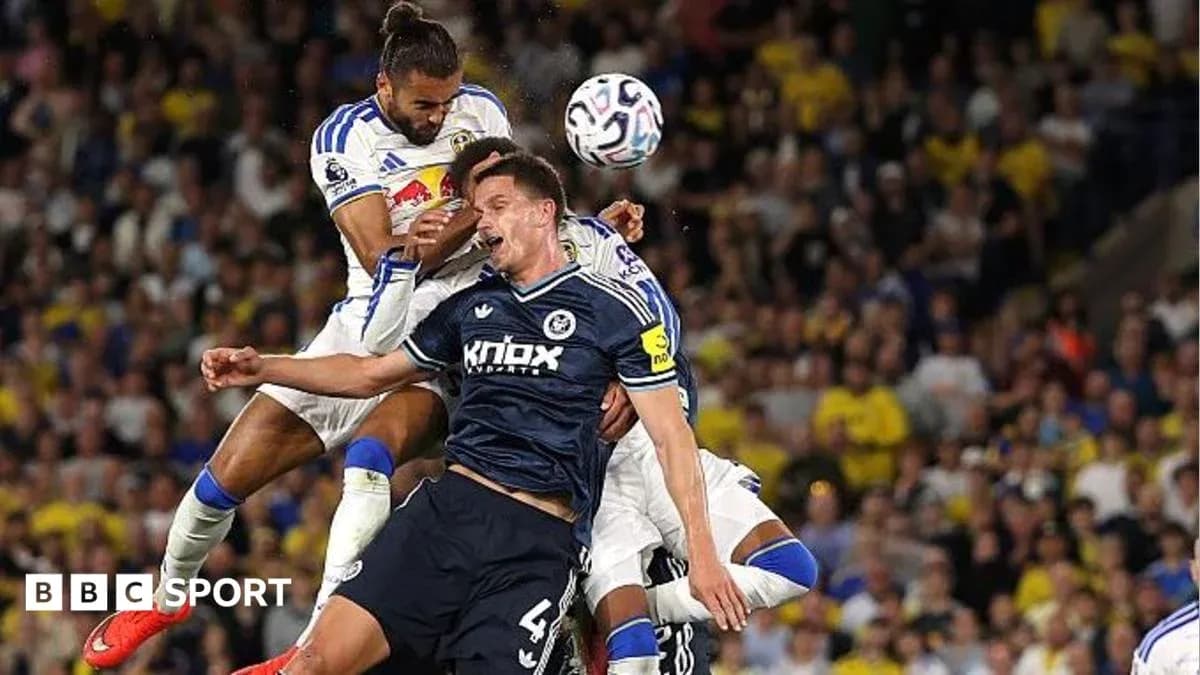
The evidence arrived early. Within five minutes of the first Premier League game of the season, Liverpool’s rest defence was laid bare. Full-backs high. Centre-backs deep. No midfielder occupying the huge gap between them. Newcastle surged into that space and scored.
With full-backs encouraged to attack and Virgil van Dijk increasingly inclined to drop off rather than step up, that structural crack feels built-in rather than incidental. Iraola now presides over the most expensively assembled squad in Liverpool’s history – and arguably the most obviously flawed in a decade.
Compromise or conviction?
If the answer does not lie in the market, it must come from compromise.
"You do not want to lose the offensive side, the fluidity, the arrivals with numbers, but obviously we were punished the other day, especially in the first goal," Carragher said. "We did not do a proper lockdown. But there is a balance. We cannot go from one way where we send a lot of people forward to keeping everyone back so we do not arrive with numbers."
He does not want to see Gravenberch stripped of his instincts. "I do not want to tell Ryan Gravenberch not to carry the ball or arrive in the box."
So the burden shifts to decision-making.
"It is a matter of identifying the situation. You cannot be with the joystick every time [controlling] the player. There are players that are very good at smelling the danger. 'I cannot risk going now. I think I have to stay.' Recognising those situations is the job."
For now, Liverpool look exactly what they are: an imbalanced, imperfect, wildly entertaining team. High-scoring draws feel like their natural state, a side teetering between overwhelming opponents with their firepower and unravelling because of the spaces they leave behind.
The money has been spent. The ideas are clear. The flaws are, too.
What decides this season – the chaos or the control?