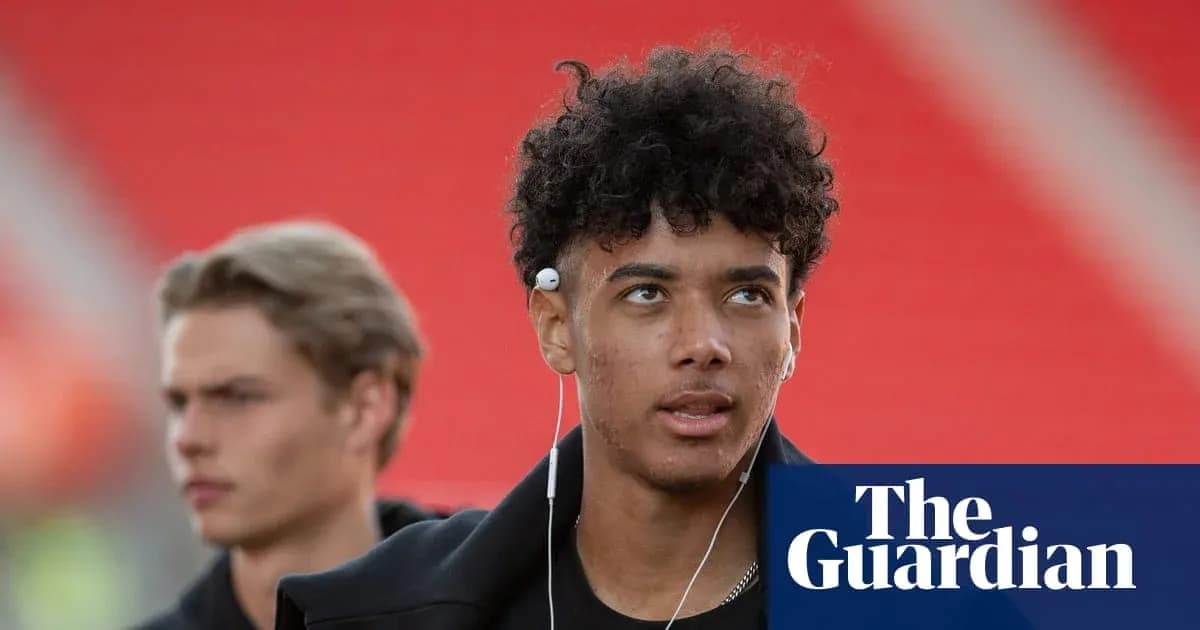
Lucas Herrington: From NPL to Premier League Stardom
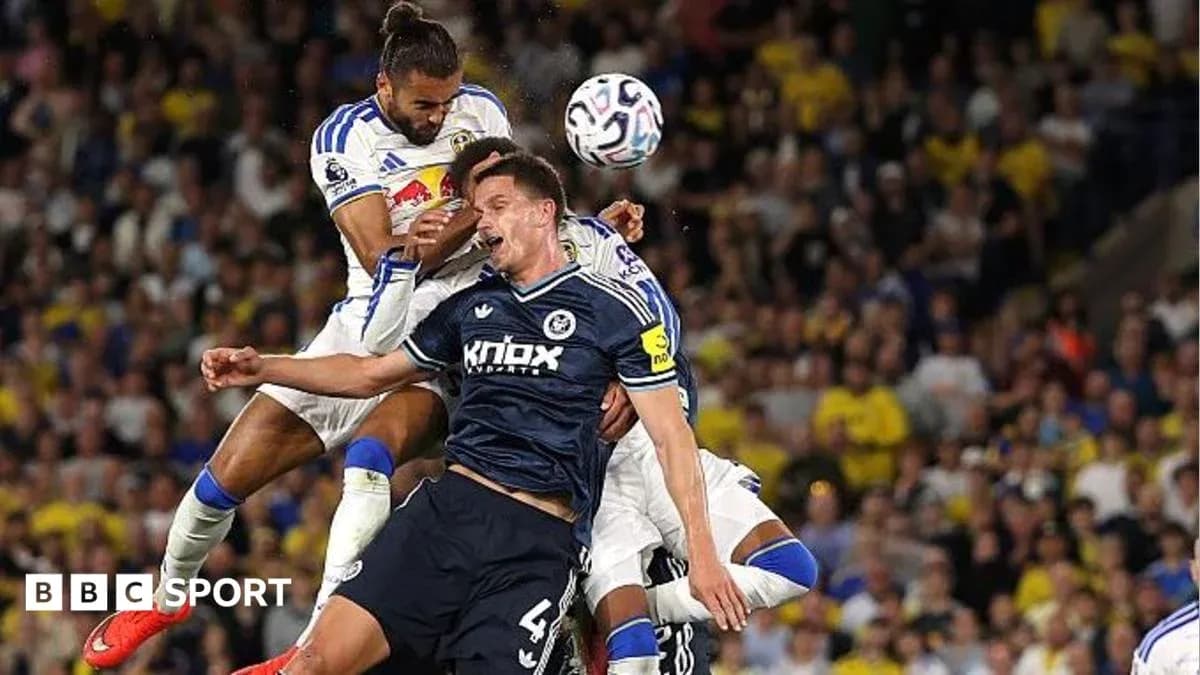
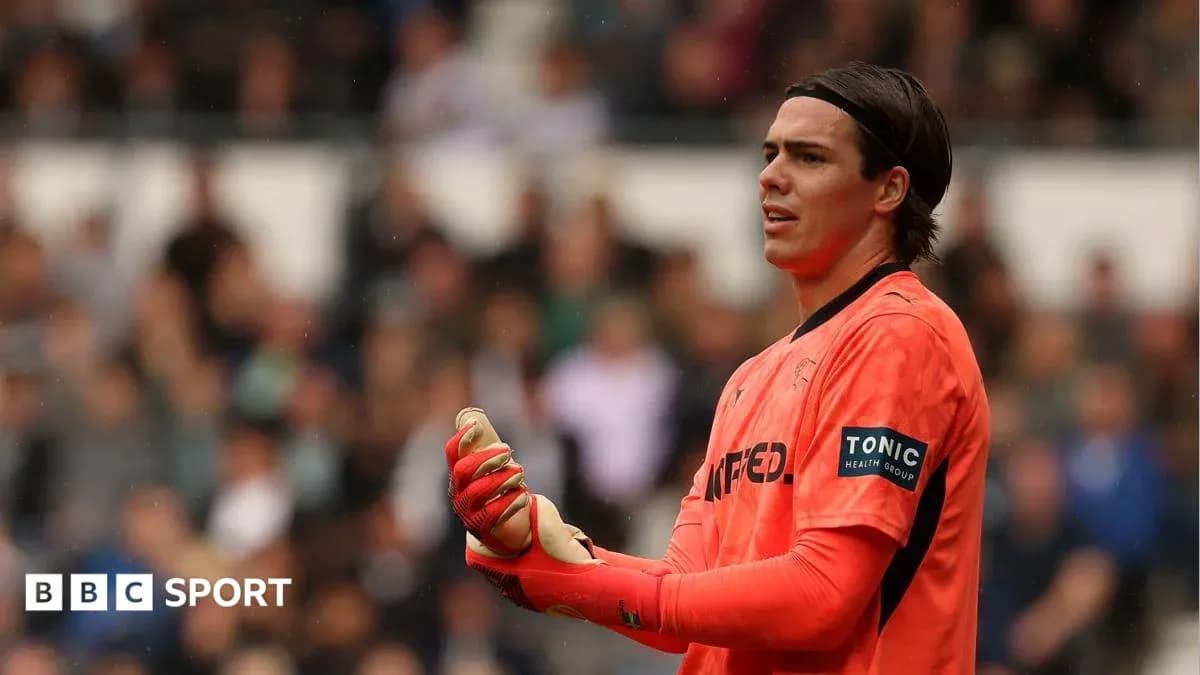
On the opening day of the Premier League season, with the noise inside the MKM Stadium still crackling from Hull City’s blistering start against Manchester United, an 18-year-old stepped off the bench and into a very different life.
Lucas Herrington had been in England barely a week. Hull were 2-0 up. Nobel Mendy, one of the goalscorers, had gone down injured. Sergej Jakirović turned, pointed, and sent on the teenager from Queensland with a simple, ruthless brief: finish the job.
“I knew the job that had to be done,” Herrington says, reflecting two weeks later. “I knew that we had to see out the game. It wasn’t going to be easy because they were going to throw everything at it. With their subs, they did. They were more attacking.”
United pushed. Hull bent, but didn’t break. Somewhere in that late onslaught, the scale of what had happened to Herrington over the past 12 months came into sharper focus.
From NPL pitches to record fees
Just over a year ago, he was playing a preseason hit-out against Olympic FC in NPL QLD. A decent young defender with promise, sure, but one still tucked away on the outer rim of the global game.
The Rapids deal had already been announced by then, a move to MLS scheduled for 2026. It looked ambitious at the time. Few imagined it would be just the first step in a chain reaction: regular starts in MLS, a Socceroos debut, a World Cup appearance, then a Premier League transfer before his 19th birthday.
The numbers around that transfer from Colorado Rapids to Hull have been kept deliberately hazy. Different reports, different breakdowns of base fee and add-ons. The consensus, though, is clear enough: Herrington is now one of the most expensive Socceroos in history, the costliest Australian teenager ever, and the centrepiece of the richest deal MLS has ever struck for a defender.
Meteoric doesn’t quite cover it. This has been a rocket launch.
On Saturday, as Aston Villa roll into town, he will celebrate turning 19 in a league that eats reputations for breakfast.
Settling into the storm
Herrington has come off the bench in both of Hull’s opening fixtures. Two games, two wins. Hull stand alongside Manchester City, Chelsea and Arsenal as the only sides with perfect records intact. That sentence alone would have sounded fanciful when the fixture list dropped.
For a newly promoted side, survival was the talk. For a teenager with fewer than 50 professional games, adaptation was the expectation. Instead, he already looks like he belongs in the chaos.
“I wouldn’t say it’s easy. But it’s definitely been very enjoyable,” he says. “The intensity of the games – you have to be focused at all times. You’ve got to always know your surroundings; you’ve got to be scanning, communicating. It’s great for me; in my position, you have to be communicating. You see the whole field. It’s been great.”
The step up has not just been about tempo and tactics. Life off the pitch has changed just as quickly. In Hull, people now stop him in the street for photos. He has picked up a car “nice” enough not to look out of place in a Premier League car park. These are the small details that tell you a player has crossed a line, from prospect to public figure.
The opponents are changing too. Soon, he will be staring down some of the most feared forwards in the world. One name, naturally, looms larger than the rest.
“Manchester City’s talisman Erling Haaland,” he says, almost laughing at the thought. “It’s pretty hard to look past him when it comes to strikers.”
Big voices, big belief
The journey has not gone unnoticed. Australian football has produced a steady stream of talent in recent years, but none have ripped through the levels quite as quickly as Herrington.
Ruben Zadkovich, then in charge at Brisbane Roar, called him “the best defender in Australian football” before he had even played an A-League game, never mind a Premier League one. Harry Souttar, the Socceroos captain, labelled him a “Rolls-Royce” after his World Cup debut against Paraguay.
Tony Popovic didn’t just talk him up; he trusted him. Herrington started a World Cup knockout match against Egypt, then stepped up in the penalty shootout that decided the last-32 tie. The outcome of that kick is now part of his story, but so is the reaction around him. Teammates in North America kept reaching for the same word: “unbelievable.”
One voice cut through louder than most. Zlatan Ibrahimović followed up on a promise to speak to the teenager after that missed penalty against Egypt.
“He said, ‘really, don’t fear anyone; I’m here for a reason, so just go enjoy it’,” Herrington recalls. “It’s a great league; he played in it. His message was just to go have fun, and don’t fear anything. Go, work hard, be yourself … because it’s a great experience to play in the Premier League.”
When advice comes from a man who has bullied defenders from Milan to Manchester, it tends to stick.
Grounded in the whirlwind
The next adjustment will be a quieter one. His mum, who watched on from the stands as he made his Premier League bow against United, will soon head back to Brisbane after helping him settle into life in Yorkshire. The house will be emptier. The schedule will not.
Yet the same calm he shows on the ball seems to run through everything else. Teammates and coaches talk as much about his head as his feet.
“My parents have always instilled that factor of humility in my life, and having that humbleness to stay grounded and to keep working hard,” he says. “Obviously, I’m still only 18, so I’ve got a lot to work on, a lot to improve on. I remember that every day. I’ve had a lot of coaches tell me that as well: to stay humble, keep working hard. To hear it from everyone in my support group is really instilling, and I’m always trying to get better.
“Always having that positive mindset that I’ve still got a lot of things to work on. I’m not the finished product. So continue to work hard.”
Hull’s start has turned heads. Herrington’s rise has turned more. The Premier League has a habit of testing both hype and humility to breaking point. The question now is not whether the Australian belongs here, but just how far this trajectory can still climb.