Madrid’s Madring: A New Era for Formula 1
Formula 1 has a new address in Spain, and it is not shy about announcing itself. Barcelona is out. Madrid is in. And at the heart of the sport’s latest playground sits a single, audacious statement of intent: Turn 12, La Monumental.
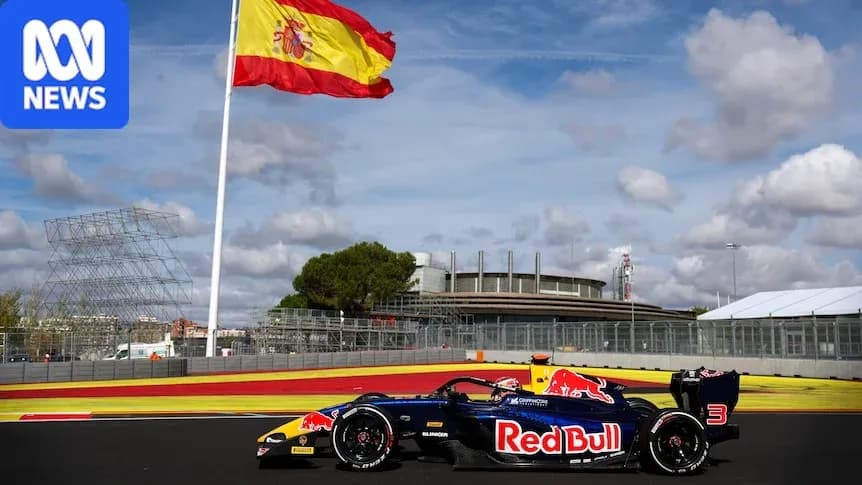
The Spanish Grand Prix has shifted from the familiar sweeps of the Circuit de Barcelona-Catalunya to a fresh layout in the capital, with the Madring locked in as host until 2035. It is a hybrid track, stitched together from public roads and private land, part street circuit, part permanent facility. But all anyone in the paddock wants to talk about is that one corner.
La Monumental is no ordinary hairpin. It is a 270-degree, long, looping, banked arc that wraps around on itself, climbing to as much as 13.5 degrees of banking. On paper, that is less extreme than Zandvoort’s 18-degree walls. On track, it is expected to be far wilder.
The difference is speed.
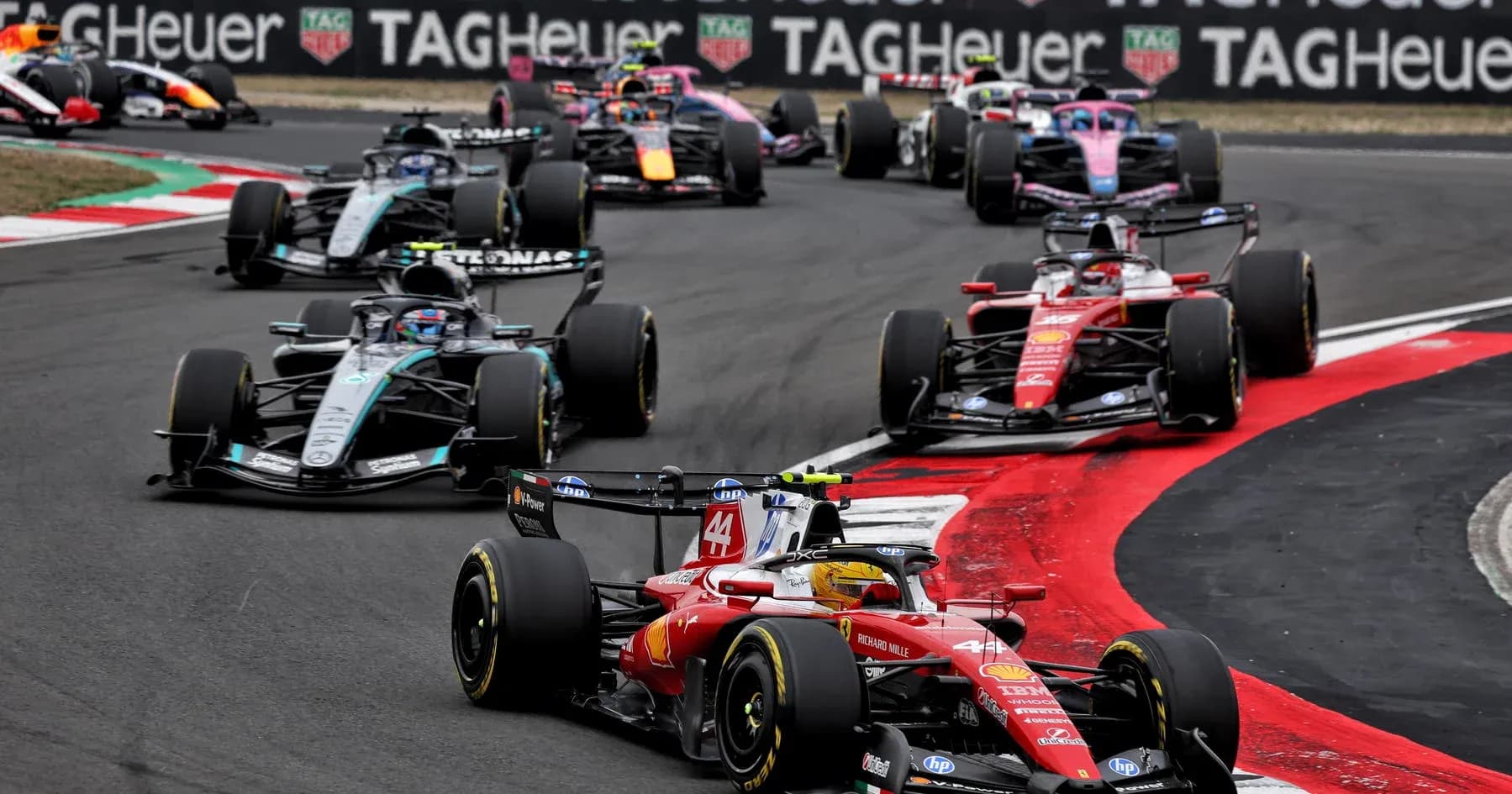
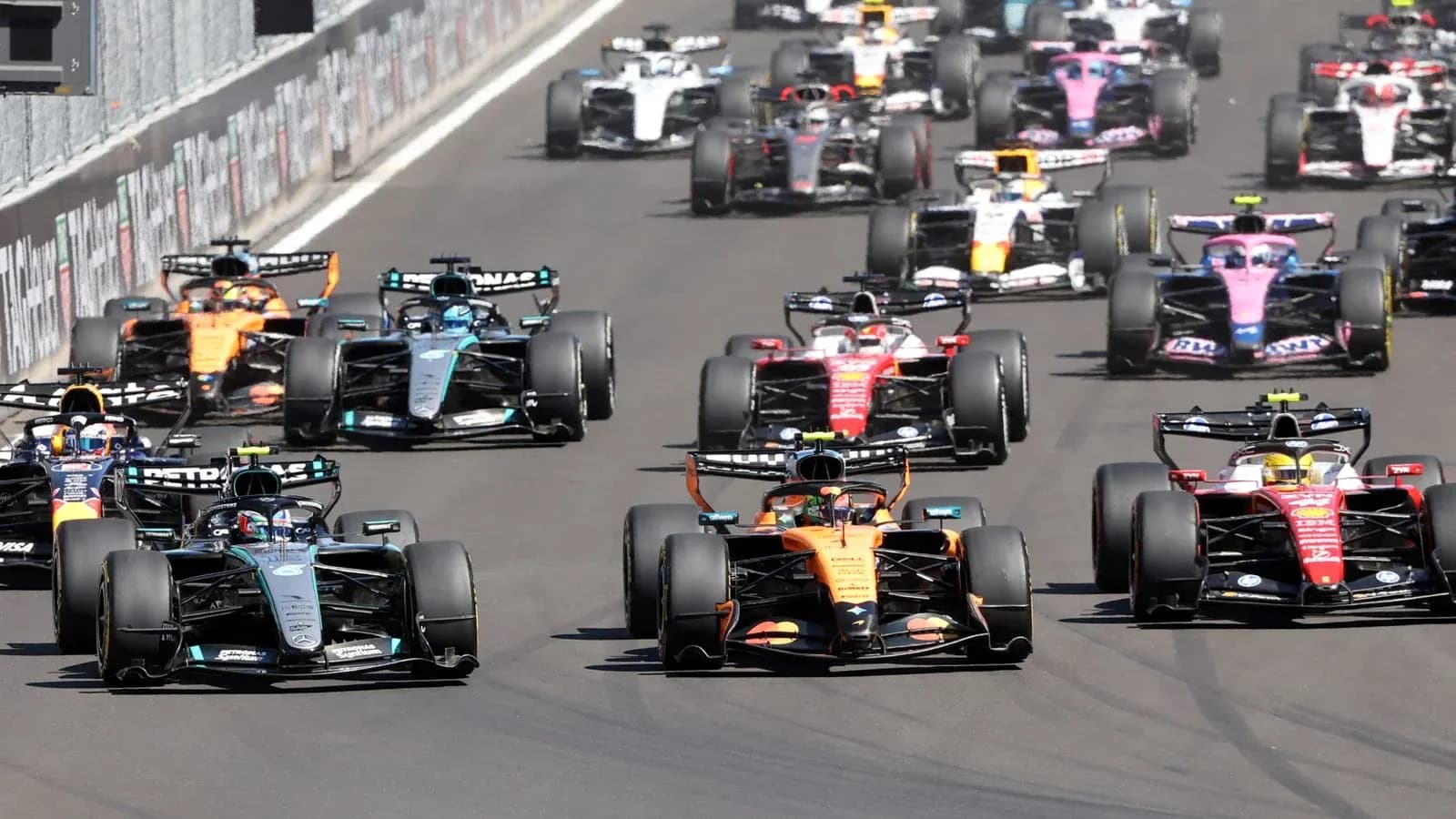
Where Zandvoort’s banking is about hanging on, La Monumental is being built for attack. The expectation is that modern F1 machinery will take it flat, full throttle, tyres loaded, engines howling, the field strung out along the banking like beads on a wire.
Carlos Sainz has already had a taste. The Williams driver lapped the layout earlier this year in a Ford Mustang GT, a far cry from the downforce and power of his day job, but enough to understand the intent.
“My feeling is the corner is going to be flat out the whole way, and it's going to create an overtaking opportunity into the next tight left,” he said after his run.
That next left is where the real damage could be done. La Monumental is designed not just as a spectacle, but as a tool: a way to shake cars loose from the turbulent air, to let drivers play with lines and positioning. Sainz sees the possibilities.
“The banking will allow you to maybe position the car higher up or lower down if you want to get clean air to follow,” he explained. Stay high, drop low, search for grip, search for visibility. It is the kind of corner that invites risk.
There is another layer to it. If the corner is indeed “easy flat”, as Sainz predicts, then the driver who hugs the inside line could generate a powerful slipstream for the car behind, just as at Zandvoort. The lead car punches a hole. The chaser pounces. La Monumental becomes the slingshot into that tight left-hander, and suddenly Madrid has something Barcelona always struggled to guarantee: a reliable overtaking hotspot.
All of this unfolds against the backdrop of a championship that currently belongs to one man.
Kimi Antonelli arrives in Madrid with a 66-point lead in the drivers’ standings over his Mercedes teammate George Russell, a cushion built on consistency and underlined by sheer audacity in Italy. Starting 19th on the grid at Monza, the young Italian ripped through the field to win, a drive that felt like a line in the sand for the season.
Behind the Mercedes duo, Lewis Hamilton keeps Ferrari in the hunt in third on 191 points, with Lando Norris (McLaren, 171) and Charles Leclerc (Ferrari, 155) giving chase. Max Verstappen, now the hunter rather than the hunted, sits on 127 for Red Bull.
Oscar Piastri is further back in the pack, but not out of the story. The Australian holds seventh in the standings on 116 points, 151 behind Antonelli, after a solid fifth-place finish at Monza. Madrid offers something different: a new circuit, unknown data, and a corner that could reward the brave and the precise. It is the kind of weekend where reputations can shift.
Upcoming Race Details
The calendar now turns to Spain, but not the Spain F1 has known for decades. The Spanish Grand Prix will run on Sunday, September 13, under the lights for Australian viewers:
- 11pm in New South Wales, Victoria, Queensland, ACT and Tasmania
- 10:30pm in South Australia and the Northern Territory
- 9pm in Western Australia
From the first practice laps, attention will lock onto Turn 12. How fast is flat? How close can cars run? Does the slipstream bite as hard as the simulations suggest? Drivers will feel their way into it, engineers will pore over the data, and fans will watch to see if La Monumental lives up to its name.
Current Standings
The standings after Italy lay out the challenge:
- 267 — Kimi Antonelli (Mercedes)
- 201 — George Russell (Mercedes)
- 191 — Lewis Hamilton (Ferrari)
- 171 — Lando Norris (McLaren)
- 155 — Charles Leclerc (Ferrari)
- 127 — Max Verstappen (Red Bull)
- 116 — Oscar Piastri (McLaren)
- 71 — Isack Hadjar (Red Bull)
- 51 — Liam Lawson (Racing Bulls/Red Bull)
- 41 — Pierre Gasly (Alpine)
- 29 — Arvid Lindblad (Racing Bulls)
- 21 — Franco Colapinto (Alpine)
- 18 — Oliver Bearman (Haas)
- 10 — Gabriel Bortoleto (Audi)
- 6 — Nico Hülkenberg (Audi)
- 6 — Carlos Sainz (Williams)
- 5 — Alex Albon (Williams)
- 3 — Esteban Ocon (Haas)
- 3 — Fernando Alonso (Aston Martin)
- 1 — Yuki Tsunoda (Racing Bulls)
- 0 — Lance Stroll (Aston Martin)
- 0 — Valtteri Bottas (Cadillac)
- 0 — Sergio Pérez (Cadillac)
A new city, a new circuit, a new corner already carrying a name that hints at grandeur.
If La Monumental delivers what its designers and drivers promise, Madrid will not just be a change of venue for the Spanish Grand Prix. It will be the place where this title fight has to be faced at full throttle, with nowhere to hide.