Madring Set to Transform the Spanish Grand Prix
Formula 1’s long Spanish chapter in Barcelona is closing. The next one opens in Madrid, on a circuit unlike anything the championship has seen in the country before.
From 2026, the Spanish Grand Prix will be staged at Madring, a new hybrid layout in the capital that blends city streets with purpose-built sections. The deal is locked in until 2035, anchoring Madrid on the calendar for the next decade and beyond.
A 22‑corner challenge
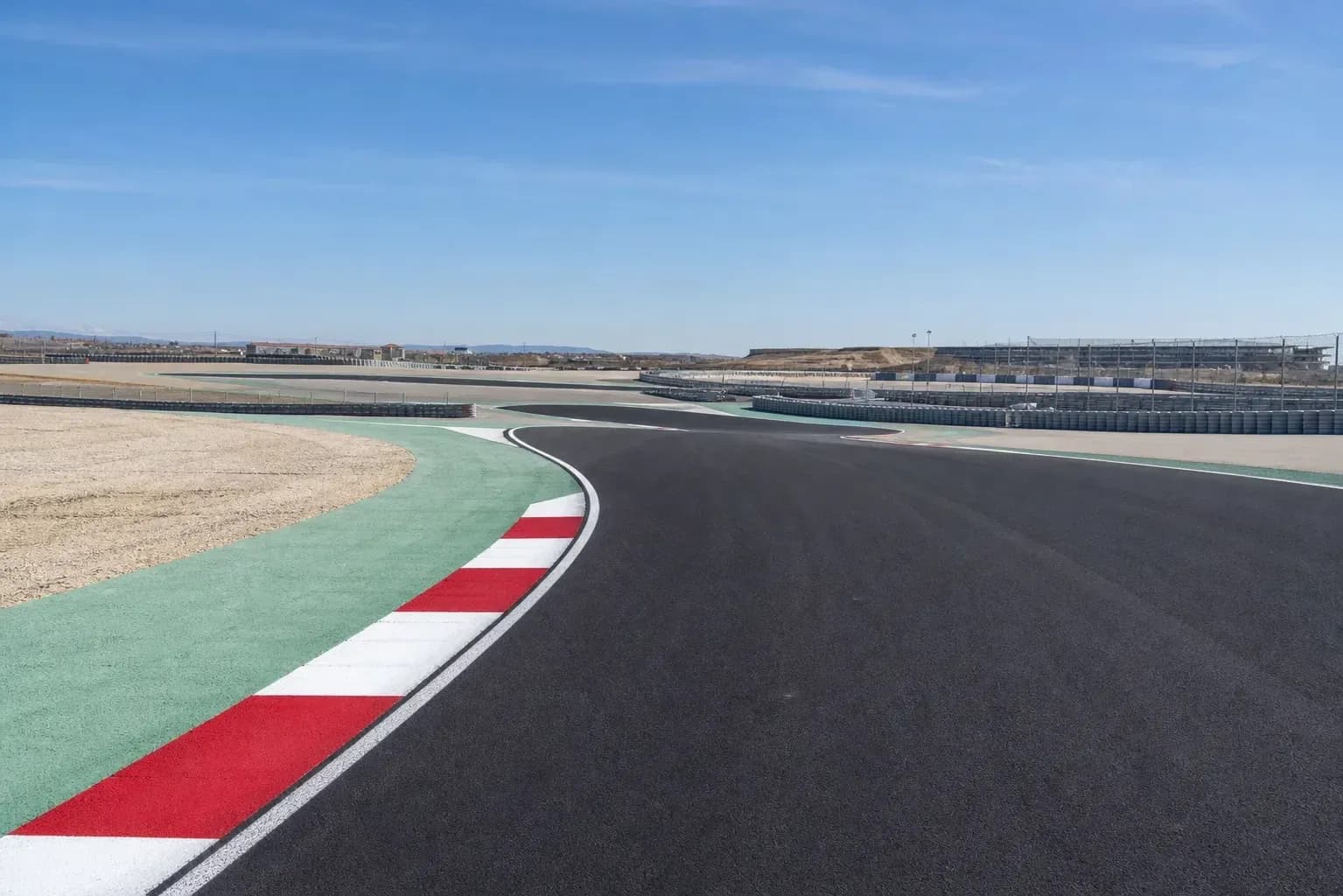
Madring stretches through a mix of public roads and private land, stitched together to create a 22‑turn lap that shifts character as it unfolds. Parts of it will look and feel like a street circuit: walls looming, little room for error, grip changing as the surface transitions. Other sections will carry the flow and rhythm of a permanent race track, with wider run‑offs and more conventional kerbs.
It is a deliberate hybrid, designed to give Formula 1 something visually striking on television and tactically complex for the drivers. One corner, though, already dominates the conversation.
La Monumental: Madrid’s banking statement
Turn 12, La Monumental, is the circuit’s calling card. A long, heavily banked hairpin, it sweeps through a 270‑degree arc with a maximum banking angle of 13.5 degrees. The numbers invite comparison with Zandvoort, where the Dutch track’s most extreme banking reaches 18 degrees.
The expectation, however, is that La Monumental will be quicker.
Williams driver Carlos Sainz has already sampled the Madring layout in a Ford Mustang GT and came away with a clear impression of what Turn 12 could become in a modern Formula 1 car. He suggested that current machinery might be able to take La Monumental flat out, turning what looks like a hairpin on paper into a full‑commitment, high‑load test of nerve and car balance.
The real intrigue lies in the racing it might produce. Sainz pointed to the banking as a tool for strategy, not just spectacle. The profile should allow drivers to pick higher or lower lines through the corner, hunting for clean air while chasing a rival. Hugging the inside could generate a powerful slipstream effect on exit, echoing the kind of side‑by‑side runs seen at Zandvoort, but with even greater speed feeding into the next phase of the lap.
That next phase matters. A tight left‑hander follows La Monumental, and Sainz highlighted it as a prime overtaking zone. If the banking does its job, the run into that left could become one of the defining braking duels of the European season.
Title fight rolls into Spain
While the circuit grabs the headlines, the 2026 Spanish Grand Prix will land at a crucial point in the championship. The race is scheduled for Sunday, September 13, with Mercedes setting the pace in both standings.
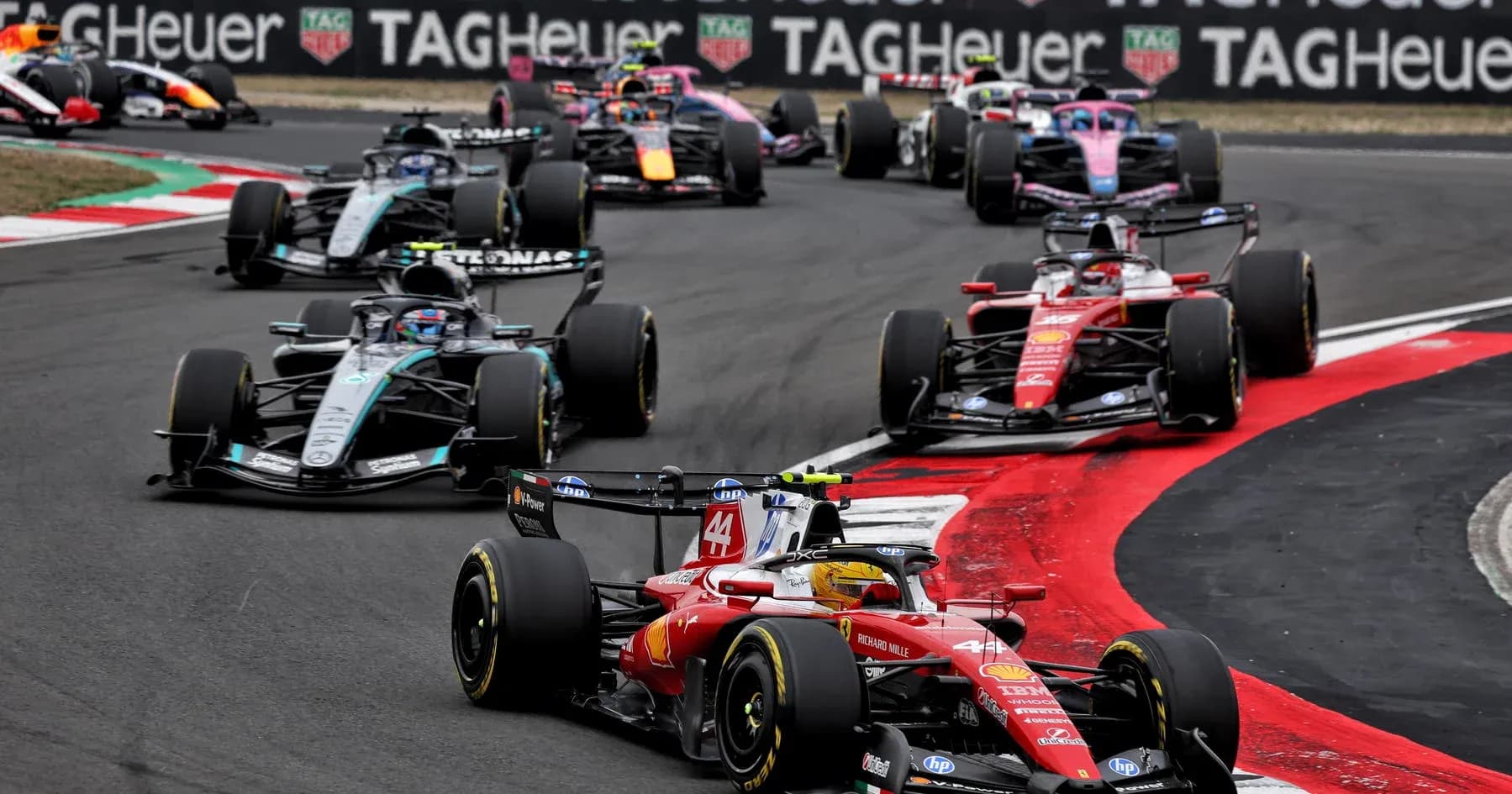
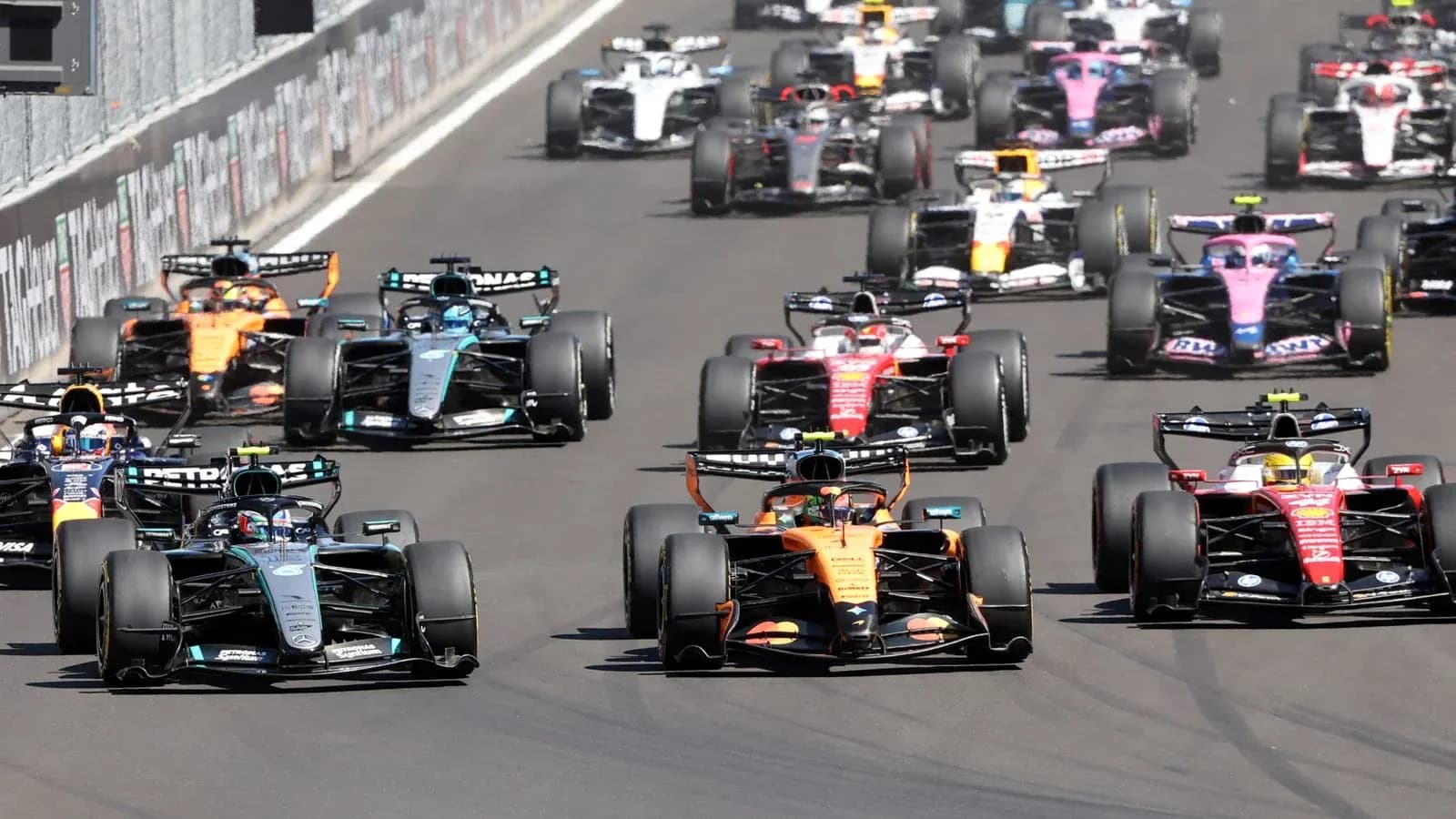
Kimi Antonelli leads the drivers’ championship on 267 points, the young Mercedes driver already shaping the season around him. Just behind, his teammate George Russell sits on 201 points, giving the team a commanding one‑two at the top of the table. Lewis Hamilton, now in Ferrari red, holds third with 191 points and remains firmly in the hunt.
The constructors’ picture tells a similar story. Mercedes are out front with 468 points, their consistency and depth underlining their advantage. Ferrari, on 346, chase as the closest threat, while McLaren, with 287, stay in touch and ready to punish any slip.
By the time the paddock rolls into Madrid, those margins could define how aggressively teams attack Madring’s debut. Do Mercedes protect a lead, or twist the knife? Can Ferrari and McLaren lean on La Monumental’s risk‑reward profile to claw back ground?
What is certain is this: Spain’s Grand Prix is no longer just a familiar stop at Barcelona. From 2026, it becomes a high‑banked, high‑stakes showdown in the heart of Madrid, with a 270‑degree question mark at Turn 12 waiting to reshape the fight.