Manchester City Under Enzo Maresca: A Challenging European Debut
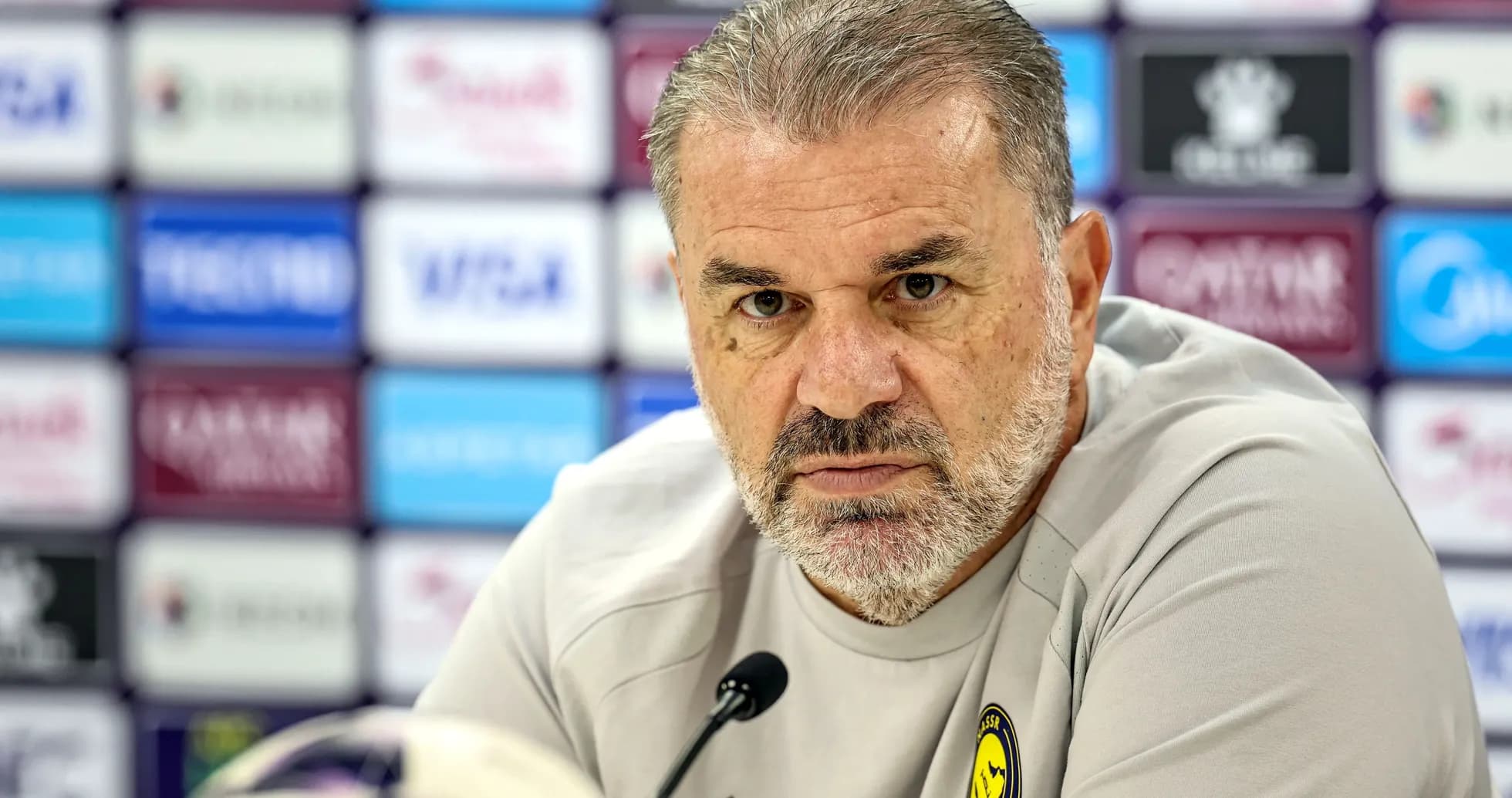
Manchester City step into Europe under Enzo Maresca for the first time on Tuesday night, and already the new head coach is juggling familiar problems: injuries, expectations and the weight of a Champions League title to defend.
The destination is Porto. The message from Maresca and Matheus Nunes is clear enough: nothing about this will be easy.
Maresca’s first European handbrake
City have travelled without Nico O’Reilly and Jeremy Doku, two of the most exciting young pieces in Maresca’s puzzle. Both missed training on Monday and stayed in Manchester as the squad flew to Portugal.
O’Reilly’s issue, picked up in the warm-up before the win over Coventry, is not expected to linger. Maresca is hopeful the academy product will be ready for the Manchester derby at the weekend, a quick turnaround that underlines how minor the problem is viewed inside the club.
Doku’s situation bites a little harder. Injured in the Community Shield and initially expected to be out only for a couple of weeks, the Belgian now looks set to miss at least the first five games of the season. Maresca stressed that Doku is “back” in terms of recovery, but not yet ready to be thrown into the intensity of competitive action. For a manager who wants width, acceleration and one‑v‑one chaos, that is a significant weapon still holstered.
Porto, fighters with a new face
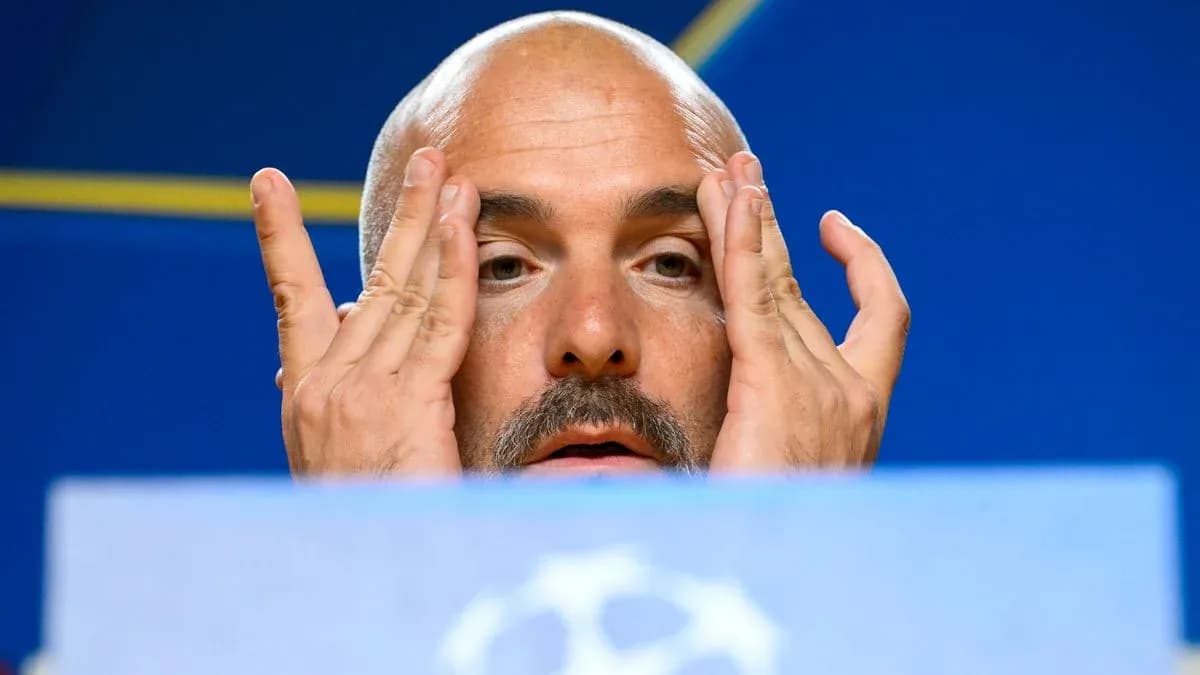
Maresca has done his homework. He spoke with obvious respect about Porto’s clarity of style and their threat from set pieces, underlining that City will need to be “perfect” in those moments. This is not the first time City have walked into a hostile Portuguese arena in Europe, and the head coach made no attempt to dress it up as routine.
“Very, very good team,” he said, praising Porto’s structure and identity. The emphasis was on City matching that sharpness, not assuming superiority. The favourites tag? Maresca batted it away. The game, he insisted, will decide that.
The Champions League format might have changed, but his view of the competition has not. He called it a “nice” tournament, special, but stressed the need to adapt to the new structure while keeping the same ambition. City are not here to participate. They are here to defend.
Nunes between two worlds
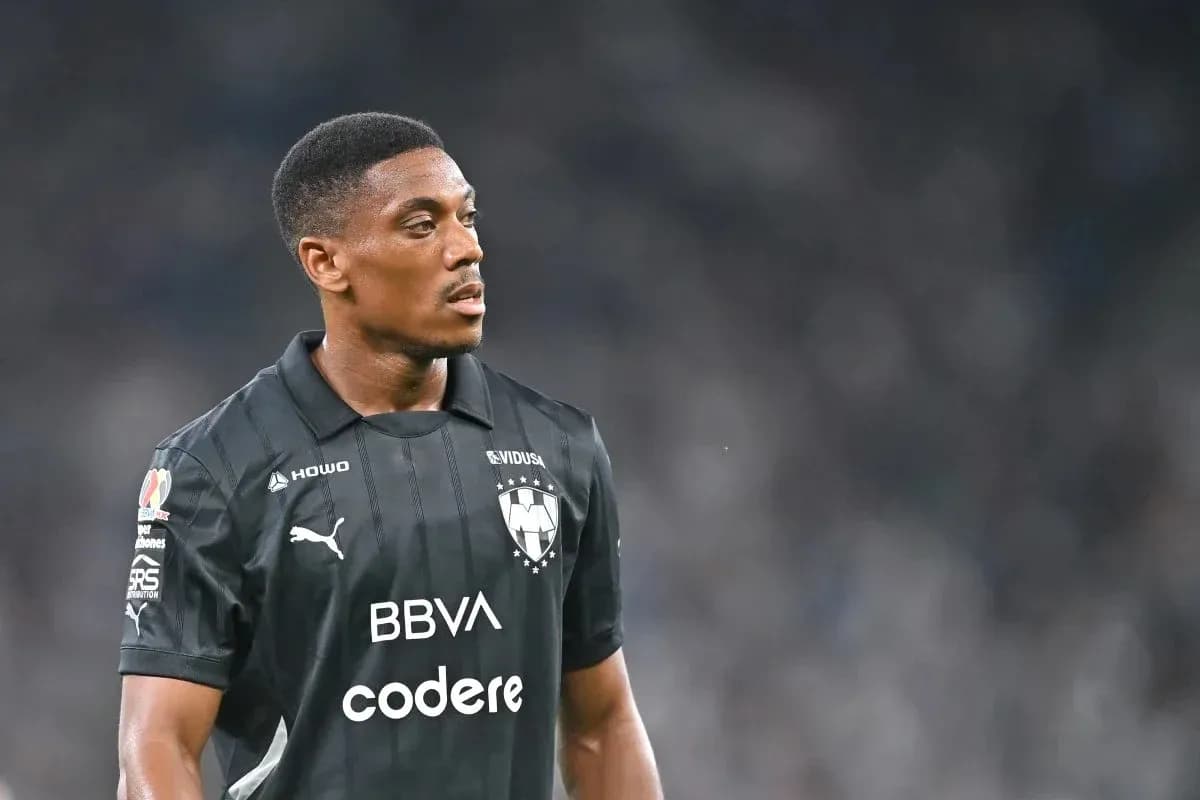
If Maresca is the architect, Nunes is one of the more intriguing building blocks. Signed as a midfielder, used as a right-back, and now asked to be comfortable in both worlds, the Portugal international sounded relaxed about the demands.
“I can play any position,” he said. “I feel happy at right-back.” He still sees himself as a midfielder, still instinctively thinks about going forward, but the modern City full-back is expected to do exactly that. In that sense, the role suits him.
Nunes admitted his start to the season had been disrupted by an ankle injury sustained in training before the Arsenal game. That is behind him now. “I’m good, I am 100 per cent,” he said, drawing a line under the stop‑start opening to his campaign.
His respect for Porto was obvious. He highlighted Pepe’s quality up front and looked ahead to what he called a “beautiful duel”, but he refused to label this tie as more complicated than recent domestic tests against Arsenal or Crystal Palace. For him, Porto are simply one of the best sides in Portugal and must be treated accordingly.
Guardiola’s shadow, Maresca’s stamp
Nunes has worked under both Pep Guardiola and Maresca. Asked to compare them, he did not overreach. Three seasons with Guardiola, only a few months with Maresca: the sample sizes are very different. What he did emphasise was their shared intensity. Both are “very passionate”, he said, and for now he sees more similarities than differences.
Maresca, for his part, has wasted no time in putting his own stamp on the environment. One detail stands out: music in training and warm‑ups. It is something he brought with him from Leicester and Chelsea, and he has installed it at City as well. The players pick the tracks. The idea is simple – relaxed players, sharp players.
Inside the dressing room, Nunes says the effect is clear. “He has brought so much energy,” the midfielder explained. There is, he insists, a new feeling around the squad, a refreshed standard being set day by day.
Haaland the captain, Haaland the human
The conversation inevitably swung to Erling Haaland, now City’s second captain and, in Maresca’s words, a man transformed off the pitch as well as on it.
“He is a man now, a dad,” Maresca said, noting how fatherhood has completed the Norwegian’s life. On the field, little more needs saying: Haaland “has won everything for the club”, remains “top class” and continues to grow as a leader inside the group.
Maresca did, though, underline the mental strain on players like Haaland who carry heavy workloads for club and country. When the fatigue shows, he argued, the only responsible decision is to rest them – whether that means a single game or a longer spell. His job, as he sees it, is to ensure that whoever starts is at 100 per cent, physically and mentally.
Cherki, Phil and the final pass
Rayan Cherki’s role also came under the microscope. Maresca described a clear plan for the Frenchman: drop deeper on City’s own side of the pitch to control the tempo, then push higher in the opposition half to threaten with the final pass. The second goal against Bournemouth was offered as evidence of Cherki arriving in exactly the right pocket.
Maresca sees Phil Foden in a similar light. Both, he believes, can provide that killer ball between the lines. “We are very lucky,” he said, pleased with the technical quality at his disposal in those advanced midfield areas.
Around them, City’s recruitment has once again tilted towards players who were standouts at their previous clubs. Nunes called the new signings “incredible” and stressed the responsibility of the dressing room to help them settle. For him, this is simply the rhythm of elite football: players go, players come, the standards stay.
Old pressure, new campaign
The financial muscle behind City’s squad inevitably brings scrutiny. Maresca did not deny the pressure that comes with that. When you are City, he said, the expectations are higher by default. His response is to narrow his focus: daily improvement, visible progress, a team that looks more complete with each passing week.
The Champions League, as Nunes pointed out, is unforgiving. In the Premier League, you can recover from a bad day. In Europe’s knockouts, you are out. That reality has not softened with a new format or a new coach.
City land in Porto as holders, as heavyweights, as a team used to carrying the burden. Under Maresca, the faces on the touchline have changed, the soundtrack at training has changed, but the target has not.
Now the question is simple: can this refreshed, slightly reshaped City handle the noise of Porto and start another European run with the authority the badge demands?