Manchester United's Scoring Surge and Defensive Dilemma
Manchester United have remembered how to score. Seven goals in their last two Premier League games against Ipswich Town and Everton hint at a front line starting to click under Michael Carrick. The mood around Old Trafford should be light.
It isn’t.
Because while the goals have started to flow, so have the ones at the wrong end. And history is beginning to tap United on the shoulder.
Goals at One End, Leaks at the Other
The season opened with a jolt. A flat, 2–0 defeat at Hull City that exposed fragility from set pieces and left Carrick with more questions than answers about his back line.
Ipswich arrived next and left on the wrong end of a 5–2 scoreline. United’s attacking play sliced through them, the kind of afternoon supporters crave. Yet even in a comfortable win, Ipswich still found two ways through. It was written off as a footnote to a dominant performance, but it shouldn’t have been.
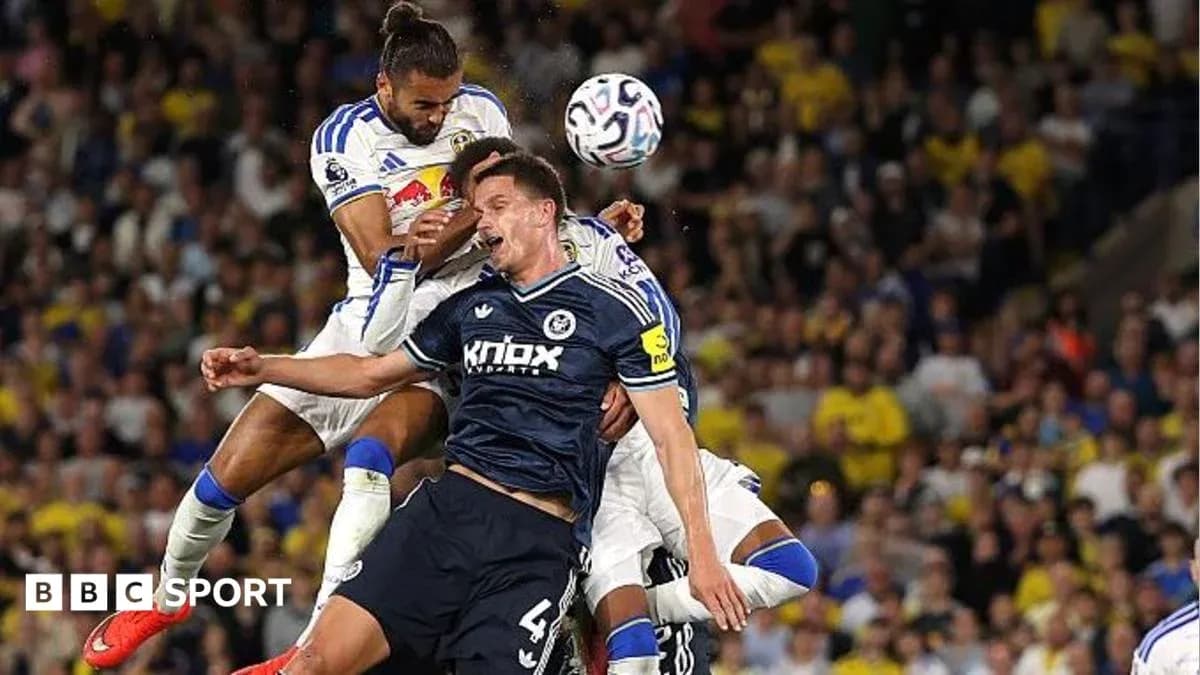
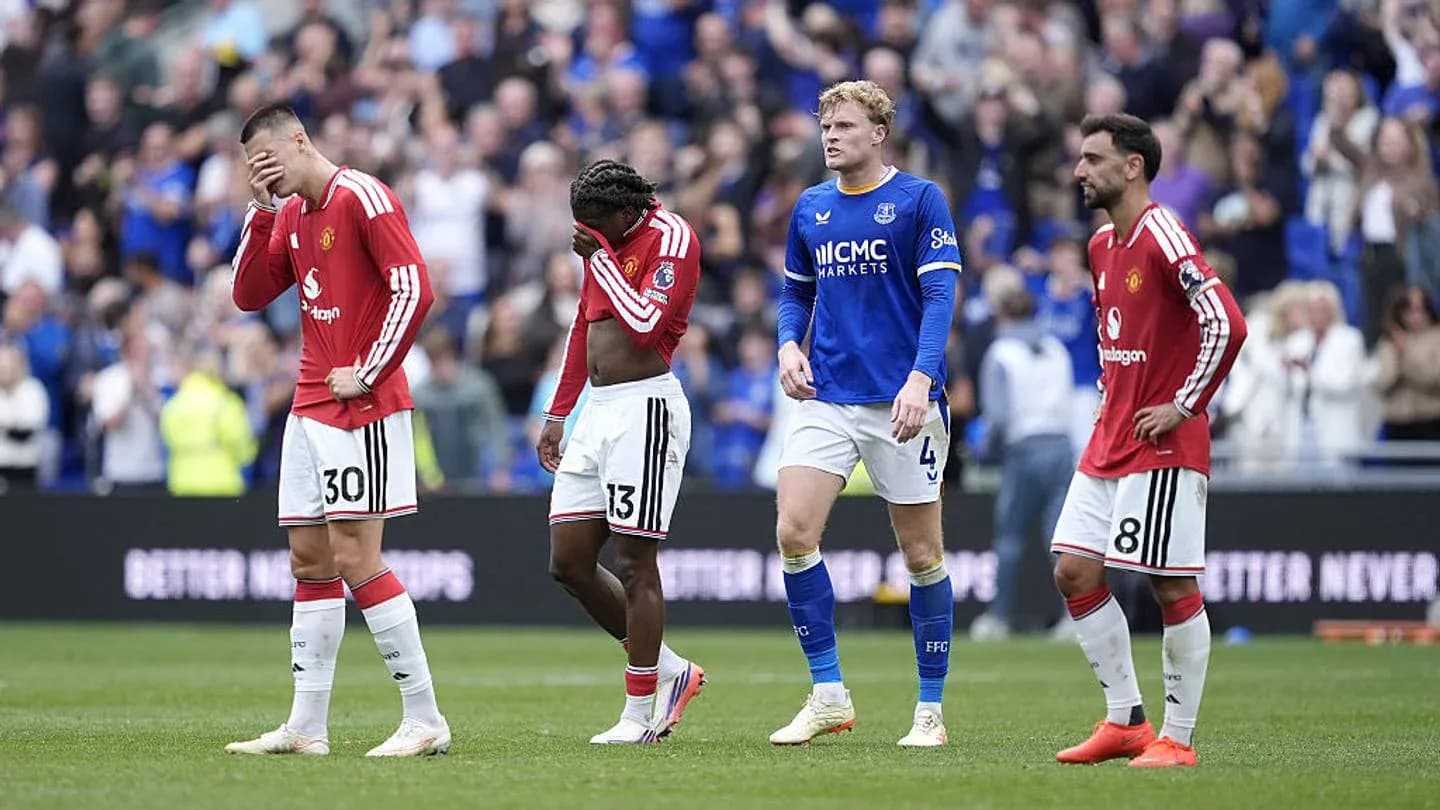
Then came Everton. United led. Twice. They were seconds away from a statement away win, only to be pegged back in the 96th minute for a 2–2 draw. Two more conceded. Two more moments that underlined the same theme.
Three league games. Six goals scored. Six conceded. In each of those matches, United have let in at least two. For a club built on ruthless standards, that kind of pattern never slips by unnoticed.
A Rare and Uncomfortable Pattern
This is not something United do often.
Only once before in the Premier League era have they conceded at least two goals in each of their first three league games. That was in 2020–21 under Ole Gunnar Solskjær, a chaotic start that brought an early crisis and a torrent of goals at both ends.
That season opened with a 3–1 home defeat to Crystal Palace, followed by a wild 3–2 win away at Brighton & Hove Albion, then a brutal 6–1 humiliation by Tottenham Hotspur at Old Trafford. Eleven conceded in three. The defending was ragged, the structure loose, the scrutiny relentless.
To find the previous time before that, you have to wind the clock back more than 50 years.
In 1972–73, a very different United, still glowing faintly from the 1968 European Cup but edging towards a fall, shipped at least two goals in each of their opening three league fixtures. Ipswich Town beat them 2–1, Liverpool 2–0, Everton 2–0. Three games, three defeats, seven conceded.
It was the final campaign for Bobby Charlton and Denis Law, the beginning of the end for George Best, and the season that cost Frank O’Farrell his job just four months in. A club drifting, and a defence that told the story before the league table did.
Those are the only two modern markers. This current United side has now joined that company.
Echoes From the Busby Years
Go further back, into an era of 3-2-5 formations and cavalier football, and leaky starts were easier to find.
In 1969–70, United let in at least two in each of their first three league games again: a 2–2 draw with Crystal Palace, a 2–0 defeat to Everton, and a 4–1 loss to Southampton. Defences across the country were more exposed then, lineups packed with forwards and risk.
Even in 1964–65, a season that ended with Matt Busby’s United crowned champions, the campaign began with a defence still finding its shape. West Bromwich Albion drew 2–2 at Old Trafford, West Ham United beat them 3–1, and Leicester City held them 2–2. Three games, at least two conceded in each, yet that side had enough control and resilience to tighten up and go on to win the title.
The lesson from that season is clear. A shaky start at the back doesn’t have to define a year. But it does demand a response.
Carrick’s Diagnosis: Small Moments, Big Cost
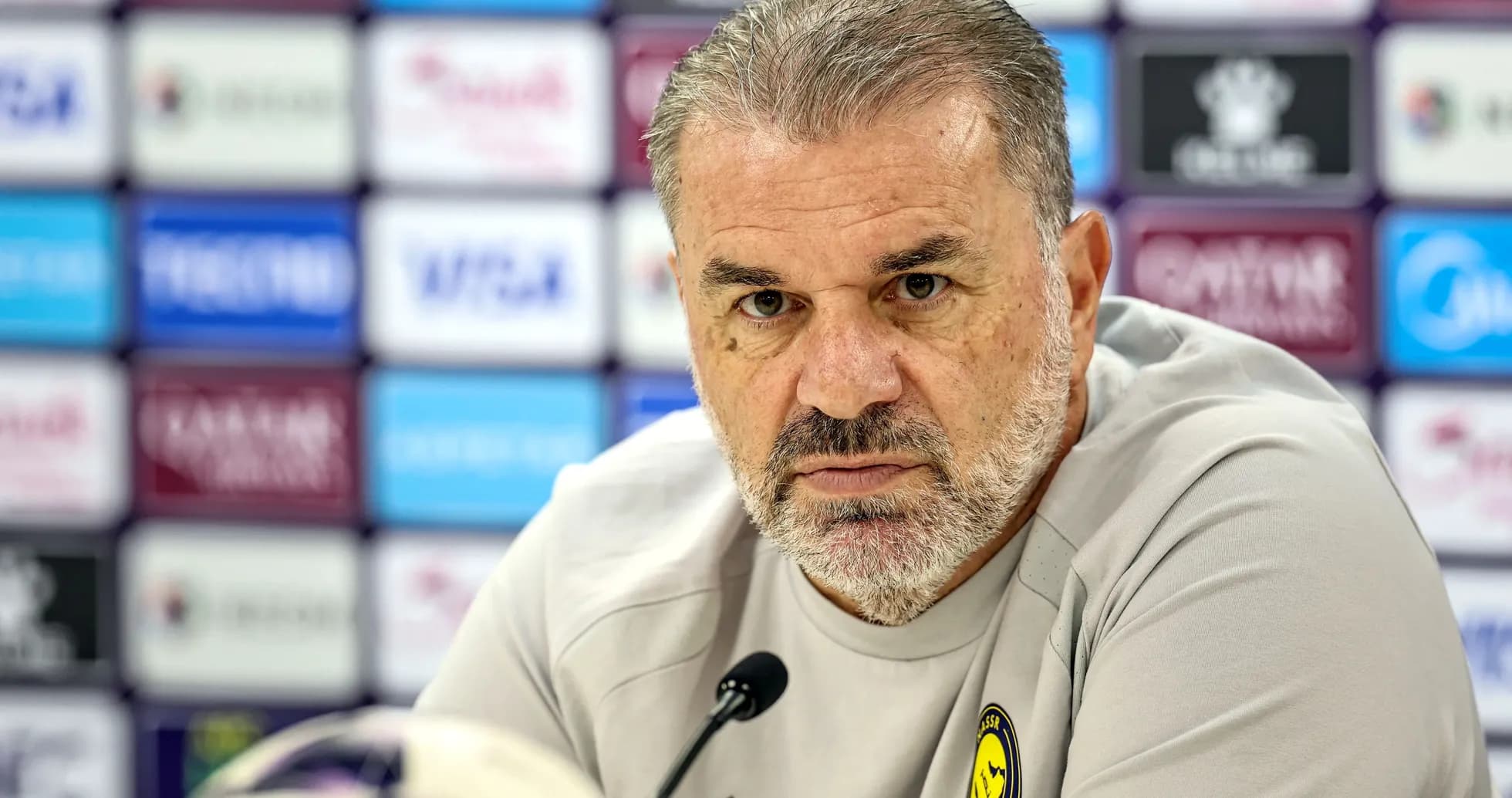
Carrick isn’t hiding from the numbers. He knows that every goal conceded heaps pressure on his forwards to deliver something spectacular just to keep United in games.
Last season under different management, United scored 69 league goals to Arsenal’s 71. Not a huge gap. The difference came in their own penalty area. Arsenal let in 27. United shipped 50. That 23-goal swing translated into a 14-point gulf in the table.
You can’t attack your way out of that kind of imbalance forever.
Carrick has framed the current problems as “little moments we can deal with a bit better.” That sounds simple. It rarely is. At Hull, set pieces were the obvious weakness. Against Everton, it was two strikes from distance that punished them late on.
He acknowledged the quality of those goals – the sort that “sometimes fly in the top corner, more often than not they probably don’t” – but he didn’t use that as an excuse. United cannot afford to live on the wrong side of those fine margins every week.
The message is blunt: concede fewer, and the same attacking output suddenly looks like title-challenger material instead of a firefighting act.
The Old Truth Still Stands
United have rediscovered some of their swagger going forward. The mentality, as Carrick put it, is there. The movement, the finishing, the confidence in the final third – all emerging.
But the numbers are unforgiving. Three games. Six conceded. A defensive record that now sits in uncomfortable company with seasons remembered either for chaos or decline.
The club has lived both ends of that spectrum. One of those campaigns ended in humiliation, another in a title, another in relegation’s looming shadow.
This United side still has time to decide which path it wants to follow.