Mbappé, Vinícius and Konaté Divide Opinion on Ceuta Gesture
Real Madrid’s trip to Elche was supposed to begin with a united message. It did not.
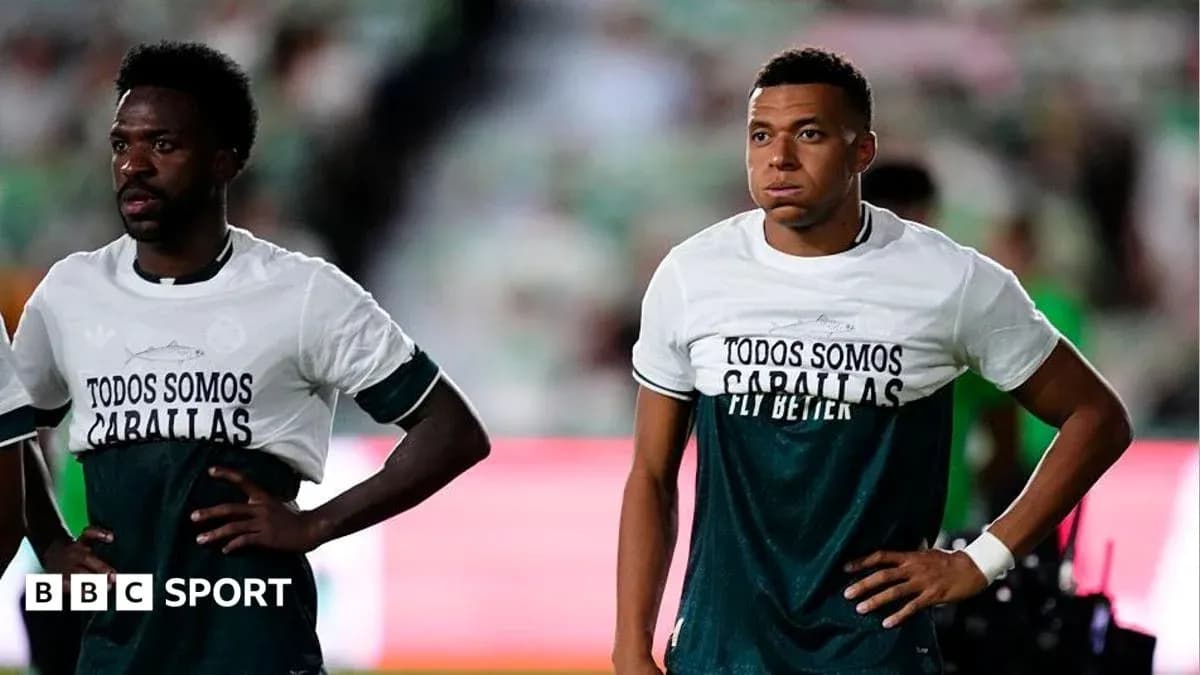
As the players emerged from the tunnel at the Martínez Valero, both teams wore white T-shirts over their kits, each bearing the slogan “Todos somos caballas” – “We are all Ceutans” – and references to the Spanish autonomous city of Ceuta, on the North African coast. A simple, visual show of solidarity with a territory still shaken by a major migration crisis.
But three of Real Madrid’s biggest names chose a different path.
A fractured front in a planned show of unity
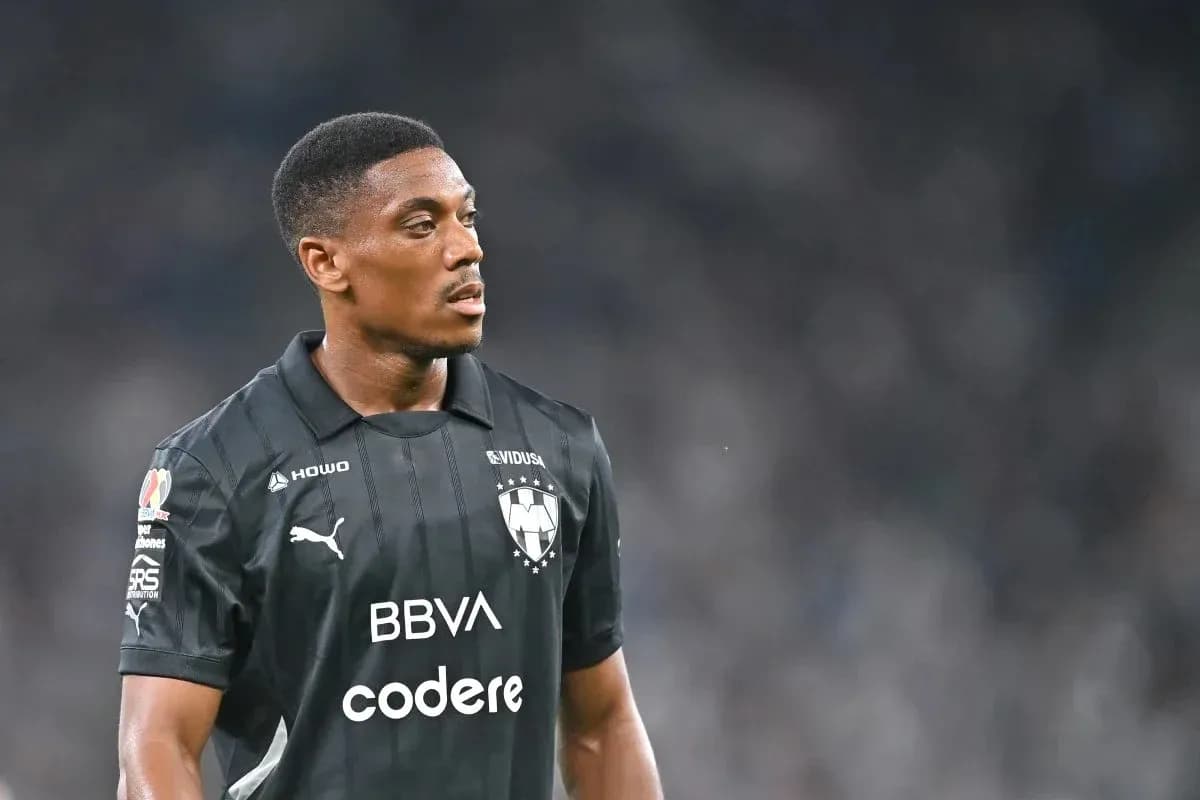
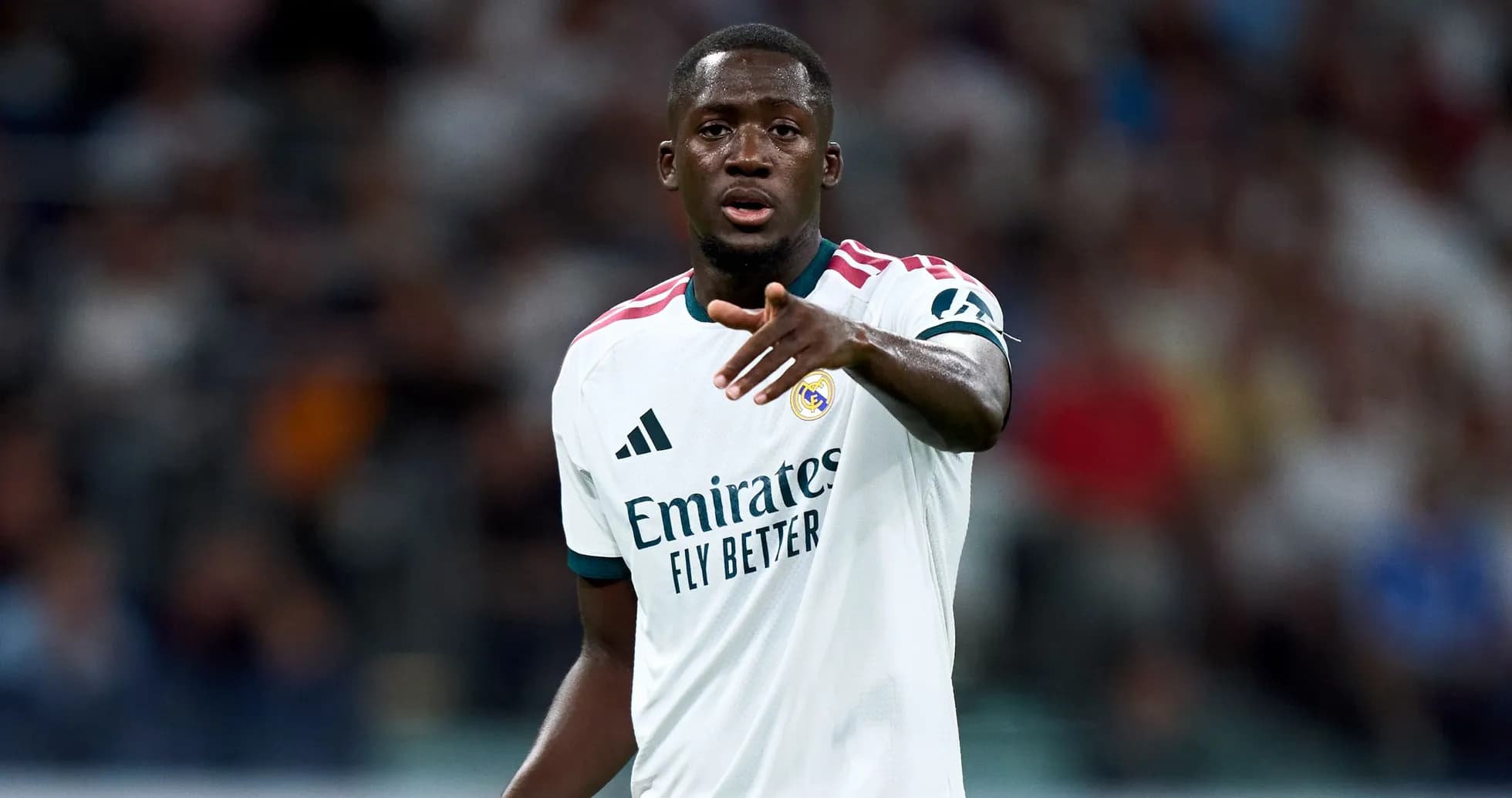
Kylian Mbappé, Vinícius Junior and Ibrahima Konaté rolled their shirts up to chest height, folding the fabric so that parts of the slogan and imagery disappeared from view. While most players allowed the message to sit clearly across their chests, the trio turned a full-frontal display into something far more ambiguous.
The contrast was striking. Around them, team-mates and Elche players stood in line, the words on their shirts unobstructed during the pre-match formalities. The cameras swept along the row. Some shirts spoke clearly. Three did not.
Then the picture shifted again.
Mbappé and Vinícius removed the shirts entirely before the pre-match handshake, stepping forward in their Real Madrid kits as the symbolic moment continued around them. Konaté kept his on for longer, still rolled up, while the rest of the players saw out the protocol with the original gesture intact.
What had been designed as a coordinated act of support for Ceuta had, within minutes, become a snapshot of differing positions inside one of the world’s most powerful clubs.
Ceuta’s crisis in the background
The backdrop to this initiative is anything but cosmetic.
Ceuta, a Spanish enclave facing Morocco across the Strait of Gibraltar, has endured a severe migration crisis. On 30 and 31 July, at least 72,000 migrants crossed from Morocco into the territory, many of them swimming around a border fence to reach Spanish soil. According to figures from Ceuta’s mayor, at least 100 people died during the crossing.
While most of those who arrived later returned, as many as 5,000 people are still believed to be living in makeshift camps or sleeping on streets and beaches. The strain on the small city has been intense. Tensions have risen, with some locals expressing fears over security, destroying shelters and blocking aid supplies intended for migrants.
Spanish football stepped in with a symbolic gesture: a league-wide campaign of support, fronted by those T-shirts and that slogan. On this night, though, the message looked less uniform than the organisers might have hoped.
Representatives of the players involved have been asked for comment.
Madrid’s earlier tribute and a wider campaign
This was not Real Madrid’s first public nod to Ceuta.
Before their Champions League meeting with Inter Milan at the Santiago Bernabéu on 8 September, the south stand unfurled a striking card display featuring the city’s coat of arms. The rest of the stadium joined in with sustained applause, turning the pre-match routine into a choreographed tribute.
The Elche initiative formed part of that broader campaign, stretching across La Liga fixtures. At other grounds, players wore the shirts as intended. Barcelona, however, opted not to participate at all, underlining how the Ceuta issue has prompted different responses from club to club.
In Elche, the divide cut right through the middle of Madrid’s own line-up.
Drama on the pitch after tension off it
Once the whistle went, the conversation briefly swung back to football.
Real Madrid stormed into a two-goal lead, only to surrender it as Elche fought back and dragged the game level. The Martínez Valero grew louder, sensing an upset. Madrid, for a few anxious minutes, looked rattled.
Then came the release. Deep into stoppage time, Carlos Espi struck the winner, sealing a 3-2 victory and rescuing a night that had threatened to unravel. Mbappé was among the scorers for Madrid, while Vinícius started and played his part in a chaotic contest.
The final scoreline will sit neatly in the record books. The images from before kick-off will not.
A campaign designed to project unity around Ceuta instead revealed fault lines: between clubs, between players, even within the same starting XI. As Spanish football continues to grapple with how – and how loudly – to speak on Ceuta’s crisis, one question lingers after this uneasy night in Elche: what does solidarity look like when the world is watching?