Mercedes Dominates as Madring Circuit Tests Drivers
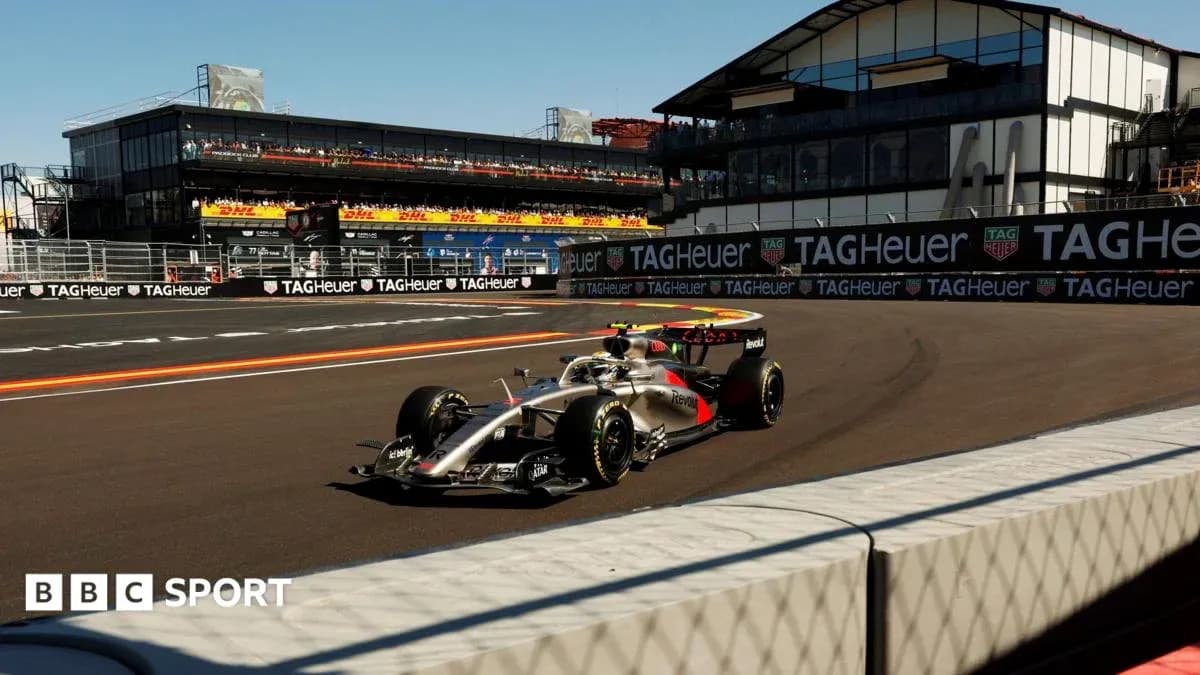
Madrid wakes to clear blue skies and a brand-new circuit that already has the drivers on edge. The Madring looks glamorous from the air, but down at track level it’s a different story: high grip, savage tyre wear and almost no room for error.
On Friday, Mercedes owned it.
George Russell topped first practice, laying down a marker with a lap 0.286 seconds quicker than team-mate Kimi Antonelli. The silver cars looked planted where others twitched, Russell dancing through the fast sections while the rest of the field tiptoed.
Behind them, Ferrari and Red Bull tried to keep up. Charles Leclerc and Lewis Hamilton slotted in behind the Mercedes pair, with Max Verstappen next in line. On a new, narrow street layout, the usual giants are all there or thereabouts – but the way they’re getting there is anything but straightforward.
A circuit of very high risk
Russell didn’t bother sugar-coating it.
“Without doubt, it is a circuit of very high risk,” he said after Friday running, admitting that every driver was leaving a margin. The Madring may not have the claustrophobic glamour of Monaco, but the danger is real in a different way.
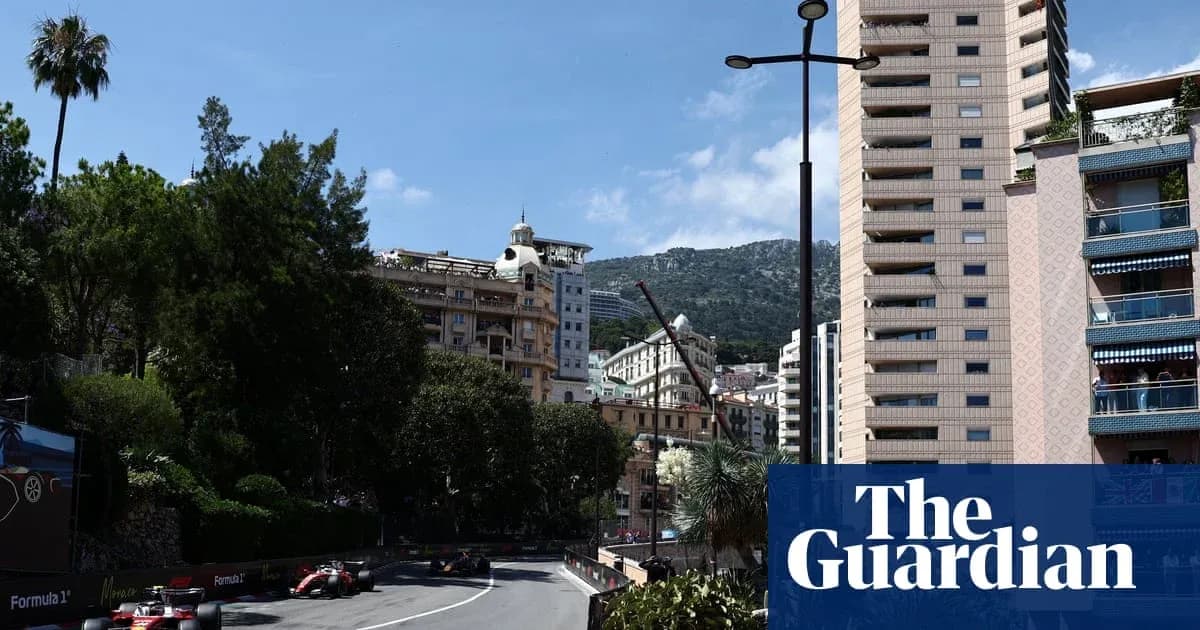
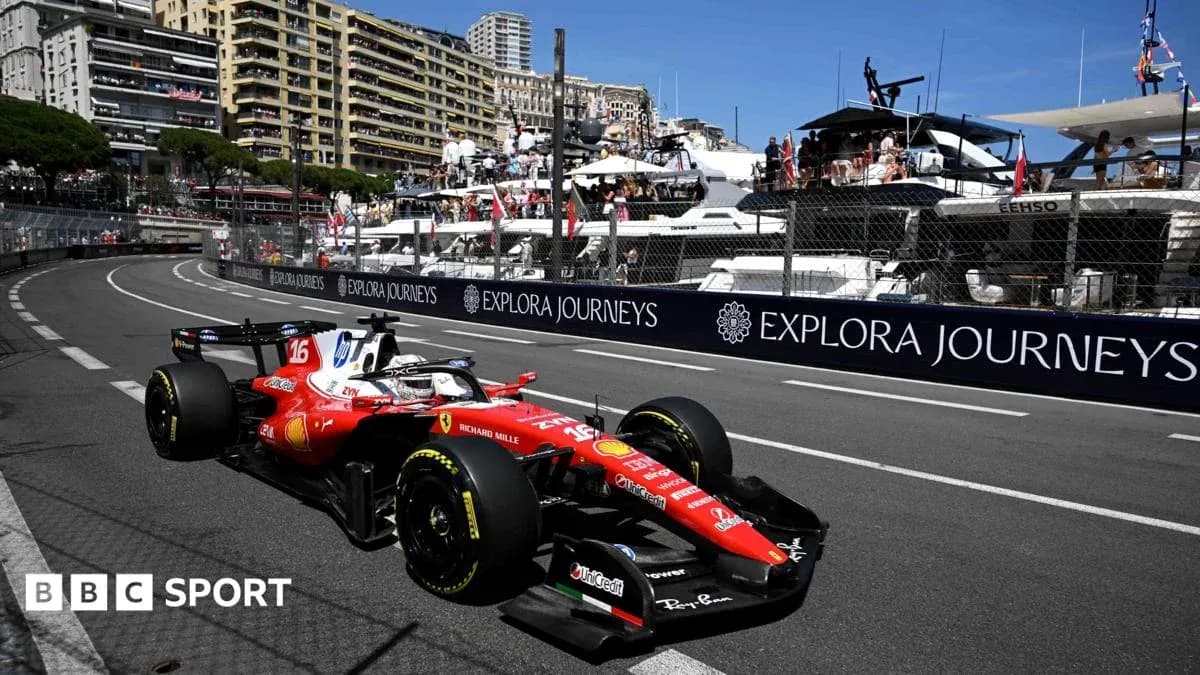
He described it as offering “less margin than Monaco, purely because of the speed”. The walls here don’t just wait for you; they come back at you. Fast corners, high commitment, and barriers that angle towards the racing line mean that if you get it wrong, you don’t just brush the wall – you’re fired into it.
The grip on the fresh asphalt is high, but that’s the trap. “You are sliding quite aggressively,” Russell said, and the tyres are paying the price. After first practice, he half-joked that “a six-stop race would be the fastest way” based on the tyre degradation. Things eased slightly in second practice, but the question of how to manage the rubber hangs over the entire weekend.
Russell arrives in Madrid 66 points behind Antonelli in the championship. He’s chasing, and on a track that punishes every overstep, that pursuit could get very expensive very quickly.
Antonelli answers back
If Russell owned FP1, Antonelli hit back hard in FP2.
The Italian clocked a 1:33.662 to end the day fastest, with Leclerc and Hamilton tucked in behind. Verstappen, again, lurked just off the sharp end, close enough to be a threat when the fuel comes out and the engines are turned up.
The pattern is already clear: Mercedes have the early edge, Ferrari are in the hunt, and Red Bull are stalking. But the real story might be the surface beneath them.
Tyre strategy, usually a chess game, could turn into a street fight. None of the frontrunners touched the hard tyre in Friday’s practice. Mercedes leaned on the medium for their longer runs. Leclerc and Verstappen stretched the softs, a bold show of faith that the compound will hold together when it matters.
Earlier in the day, Formula 3 offered a hint that the script might not be familiar. Tyre degradation, normally a central character in F3 races, barely showed up. If that pattern carries over – and that’s a big if on this abrasive new layout – teams may be tempted into aggressive strategies on softer rubber.
But there’s a catch: overtaking.
A fast, narrow, unforgiving maze
Those watching from the paddock are already wary. The Madring is quick, but it’s tight, with limited clear-cut passing zones. The sense from drivers and pundits is that getting by could be brutally hard.
Track position, always important, might be everything here. If overtaking proves as difficult as many expect, qualifying will decide not just the grid but the likely shape of the race. One mistake in Q1 or Q3, one lock-up, one brush with the wall, and a weekend can unravel.
That risk is already biting. Racing Bulls’ rookie Arvid Lindblad was one of Friday’s surprises, going fourth fastest in FP2 before crashing on the way into Turn 13. On a circuit where the barriers lean in and the speed never really drops, that sort of moment feels like a warning to everyone.
On Saturday morning, his car sat up on its stands, mechanics working underneath and around it. No early laps, no gentle reacquaintance with the circuit. Time is already slipping away from one of Friday’s standout performers.
Tyres, tension and a rookie statement
Out on track in final practice, the tyre picture remained a jumble.
The two Audis rolled out on the yellow-marked medium compound. Everyone else bolted on the softs, chasing grip and lap time. Everyone except Liam Lawson.
Stepping into the Red Bull in place of Isack Hadjar, Lawson went the other way. Hard tyres, long-game thinking. It looked like a conservative choice, but the stopwatch told a different story. He hauled the car up to second on the timing screens, behind Nico Hülkenberg, a quietly emphatic statement in a high-pressure audition.
On a day when many were still feeling their way around the walls, Lawson went straight to work.
Sunshine, nerves and the clock ticking
The setting could hardly be more inviting. The sky over Madrid is cloudless, the air still, the flag at the end of the pit lane hanging limp. It feels like a postcard afternoon in one of Europe’s great cities.
Yet the circuit sits out by the airport, a strip of high-speed risk that some in the paddock say feels more like racing around Heathrow than the heart of Madrid. Glamour in the distance, jeopardy right in front of them.
The drivers now have one last window to learn the limits. Final practice starts at 11:30 BST. At 15:00, the lights go green for Q1.
By then, there will be no more margins, no more caution. On a track that offers “less margin than Monaco” at far higher speed, someone is going to push too far.
The only question is who turns that knife-edge into a pole lap – and who pays for a single, tiny mistake with their entire weekend.