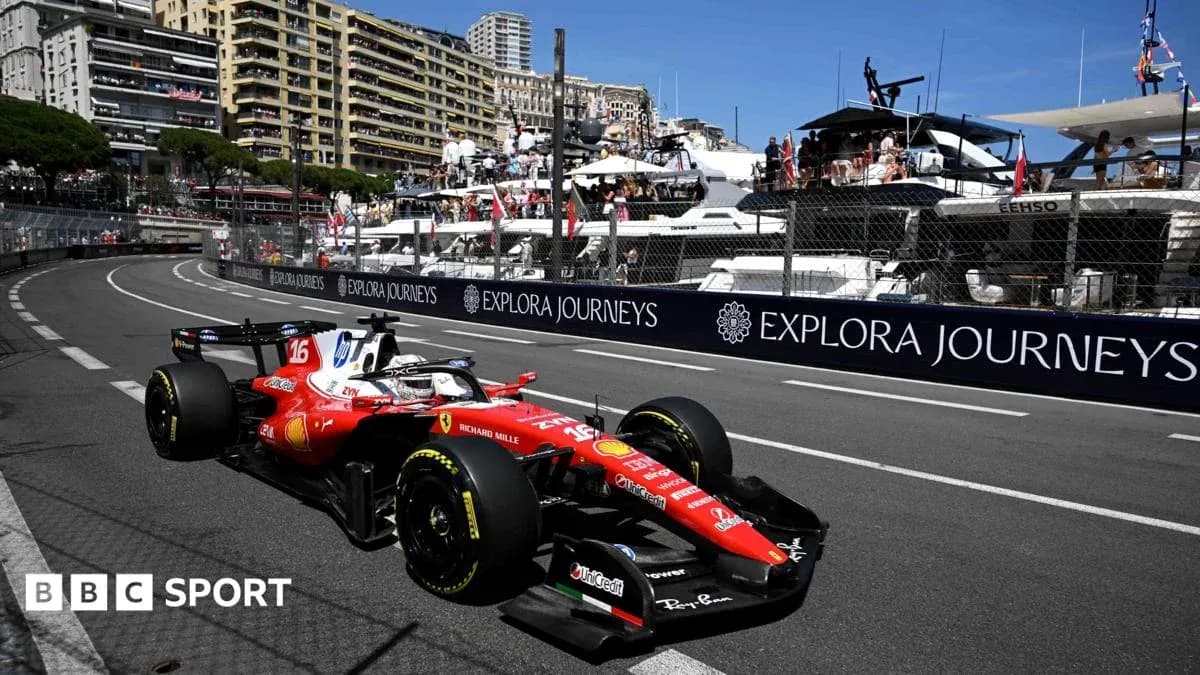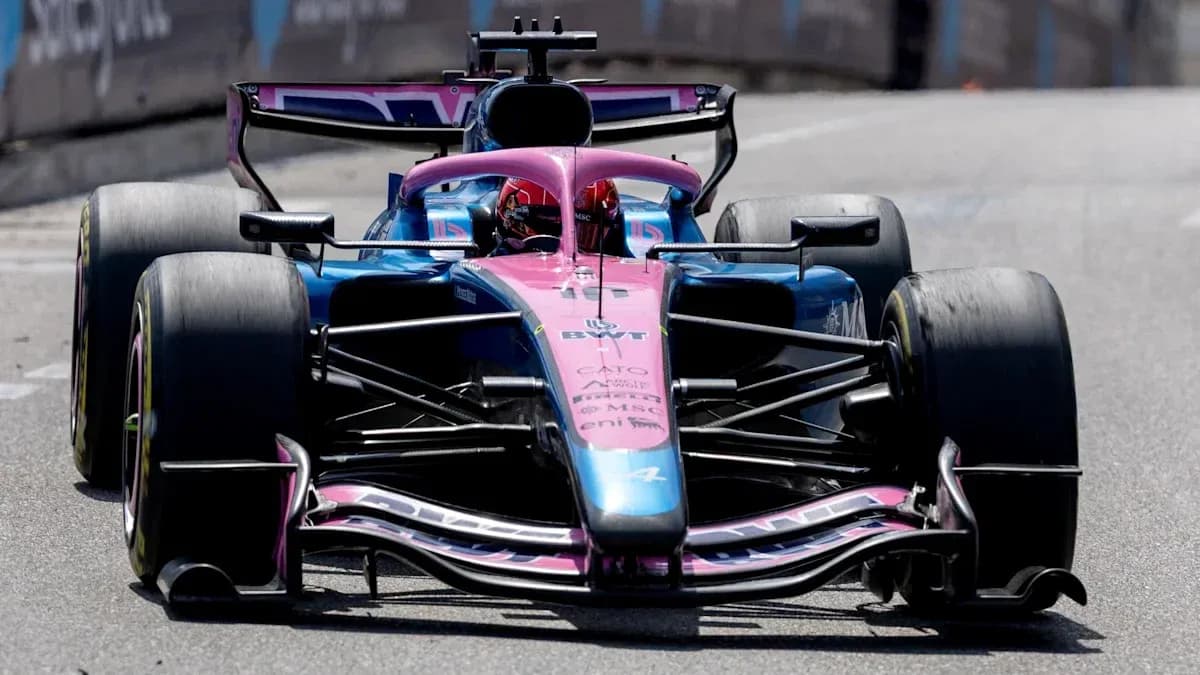
Monaco Grand Prix Penalties: Gasly Stripped of Podium
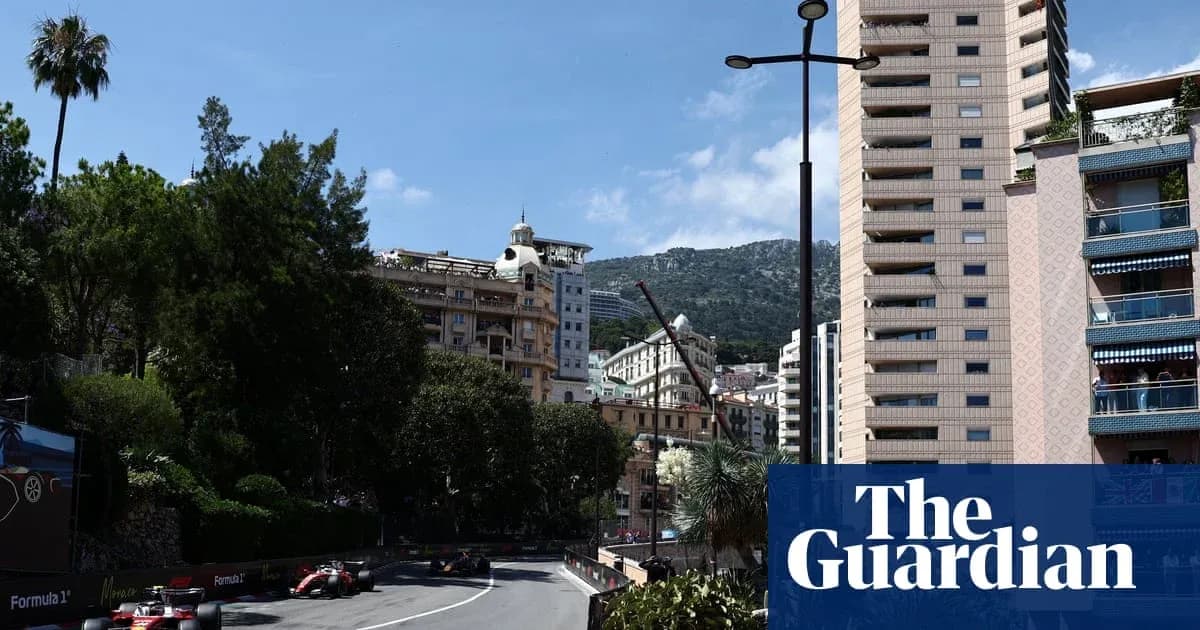
McLaren and Red Bull have won their fight over the chaotic Monaco Grand Prix pit-lane penalties, stripping Alpine’s Pierre Gasly of a podium that had already been handed back to him once and throwing fresh light on how Formula 1 polices its own rulebook.
Gasly, who finished third on the road in Monte Carlo, drops back to seventh – the position he originally held in the official classification. His brief promotion, awarded after Alpine successfully overturned two five‑second penalties in June, has now been wiped out by the FIA’s international court of appeal.
In his place, Red Bull’s Isack Hadjar is restored to third, McLaren’s Oscar Piastri climbs to fourth, and Racing Bulls pair Liam Lawson and Arvid Lindblad move up to fifth and sixth. One podium, three different owners, all from the same race.
A 77cm problem that shook a Grand Prix
At the heart of the row sits a tiny number with huge consequences: 77 centimetres.
That was the discrepancy between the officially measured length of the Monaco pit lane and the shortest possible route a driver could actually take. The speed limit is enforced by average speed over that measured distance. Change the distance, change the average. Change the average, change the verdict.
Alpine’s original appeal showed that, using the shorter “real” distance, Gasly had not exceeded the 60km/h limit. On that basis, his penalties were thrown out and the Frenchman was elevated to third.
McLaren and Red Bull were never comfortable with that outcome. Piastri had served a five‑second pit‑lane speeding penalty during the race and lost two points as a result. Several others did the same. Alpine, convinced the penalties were wrong, did not serve theirs.
So McLaren went back to the courts, this time arguing not about Gasly’s speed, but about the principle: once the benchmark is set and communicated, can it be rewritten after the chequered flag?
The court’s answer was blunt. No.
Court backs the original benchmark
The international court of appeal sided with McLaren and Red Bull on a point of sporting law rather than driver guilt.
F1, acting as the FIA’s designated timekeeper, had physically tape‑measured the pit lane, entered that distance into its systems, and used it throughout practice and the race. When concerns were raised before lights out, the measurement was checked and reconfirmed. During the race, when stewards sought reassurance, nothing was changed. At no stage, the court noted, were teams told that a different distance would apply.
The system, the judges said, only works if every car is judged against the same, stable benchmark.
Among the court’s key conclusions:
- The pit‑lane speed limit is enforced by average speed over a defined timing sector, not by instantaneous peaks.
- That distance must be identical for every car.
- Even if a shorter, more accurate line is discovered later, the original benchmark cannot be retrospectively displaced for one competitor once the competition has been run to that standard.
- F1’s later realisation that a different line should have been used did not, in itself, make the original calculation inaccurate within the context of the event.
In one stark line, the panel wrote that “sporting fairness absolutely precludes the retrospective replacement” of an established calibration parameter “by a different geometric or measurement approach for the purpose of re‑adjudicating an individual competitor’s result.”
The message was clear: consistency beats precision when the race is already over.
Winners, losers and unanswered questions
The fallout runs far beyond Gasly’s demotion.
The same pit‑lane speeding saga hit a number of drivers, including Mercedes’ George Russell and Ferrari’s Lewis Hamilton, as well as Piastri. Russell’s case was particularly painful. Running ahead of Hadjar and Gasly before his first penalty, he fell out of the points after Mercedes failed to correctly serve that sanction at a later stop. The procedural error triggered a drive‑through penalty that dropped him to 12th.
Mercedes maintain Russell never actually exceeded 60km/h in the pit lane. The court, though, never got that far. Its remit was narrow: to judge McLaren’s and Red Bull’s protest against the decision to rescind Gasly’s penalty, not to re-open every speeding call from Monaco.
So the broader question – whether Hamilton, Russell, Piastri or others ever physically broke the limit under the original measurement – remains officially untouched.
Alpine furious but boxed in
Alpine have been left nursing a sense of injustice and an empty space in the trophy cabinet.
“While we disagree with the decision, and still fully maintain that car 10 (Gasly) did not exceed the pit-lane speed limit at any point during the race, the team acknowledges the decision of the judging panel from the recent hearing in Paris,” the team said.
They added that they “feel that we have been unjustly punished” but insisted their focus now turns back to performance and what they describe as a tight and competitive championship fight.
Gasly’s third-place trophy has already been shipped from Enstone to Red Bull’s base in Milton Keynes. Alpine are considering whether to push the matter further, with the Court of Arbitration for Sport their only realistic remaining avenue if they choose to escalate.
McLaren, by contrast, framed the outcome as a necessary clean-up job for the sport’s rulebook. The team welcomed a decision they believe “provides important clarity for teams and all the sport's stakeholders and helps protect the integrity of the sport and trust in its regulatory framework,” stressing their appeal targeted neither a rival nor the FIA, but the consistent application of the regulations.
A line in the sand for F1
For Formula 1, the case draws a hard line around how far it can go in rewriting history.
The judges have effectively ruled that once the official timekeeper has set the distance parameter and teams have calibrated their cars to it, that number is locked in for the duration of the event. Even if a more accurate geometry appears later, the championship cannot be retro‑scored around it without tearing at the fabric of equal treatment.
It leaves an uncomfortable truth. In Monaco, at least one driver – Gasly – has now been told in two different hearings that he both did and did not speed in the pit lane, depending on which measuring tape you choose. The law has decided which tape counts.
The next time a pit-lane limit is set, everyone in the paddock will remember what happened in Monte Carlo. The measurement might be checked one more time. The arguments, if they come, will have to wait until the next race, not the last one.