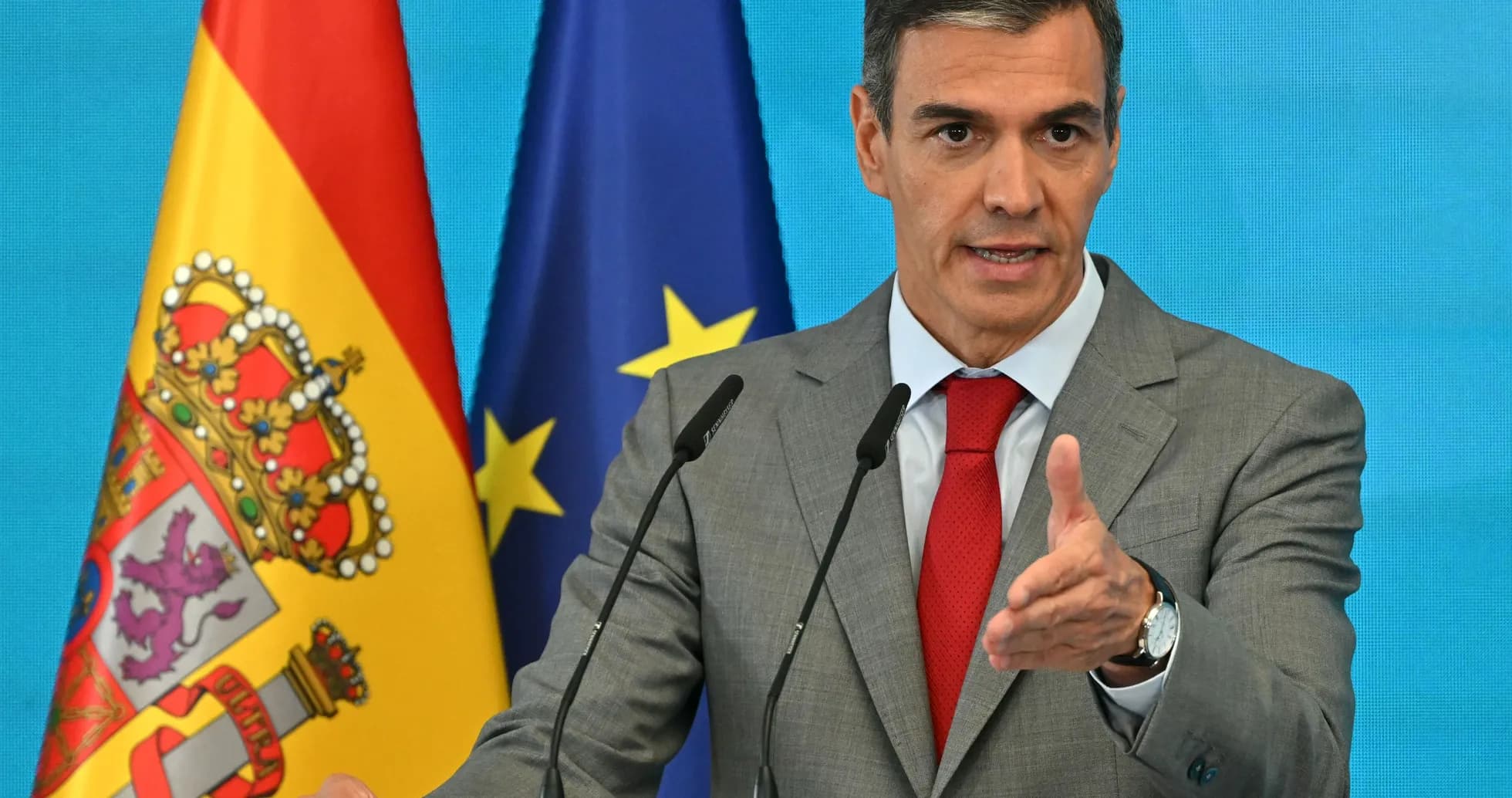
Pedro Sanchez's Stand on 2030 World Cup Final: Spain's National Ambition
Pedro Sanchez has made it clear: Spain is not prepared to watch the 2030 World Cup final slip across the Strait of Gibraltar without a fight.
Speaking on Spanish network SER on Monday, the Prime Minister vowed that his government will throw its full weight behind keeping the showpiece match on Spanish soil, rejecting any suggestion that the final could be moved to Morocco.
“We will work to ensure that the final is held here,” Sanchez declared, turning what had been a footballing debate into a matter of national ambition. The message, aimed squarely at FIFA president Gianni Infantino and the bidding powers behind the scenes, was unmistakable. Spain, he insisted, has earned the right.
The argument rests on more than sentiment. It is built on silverware.
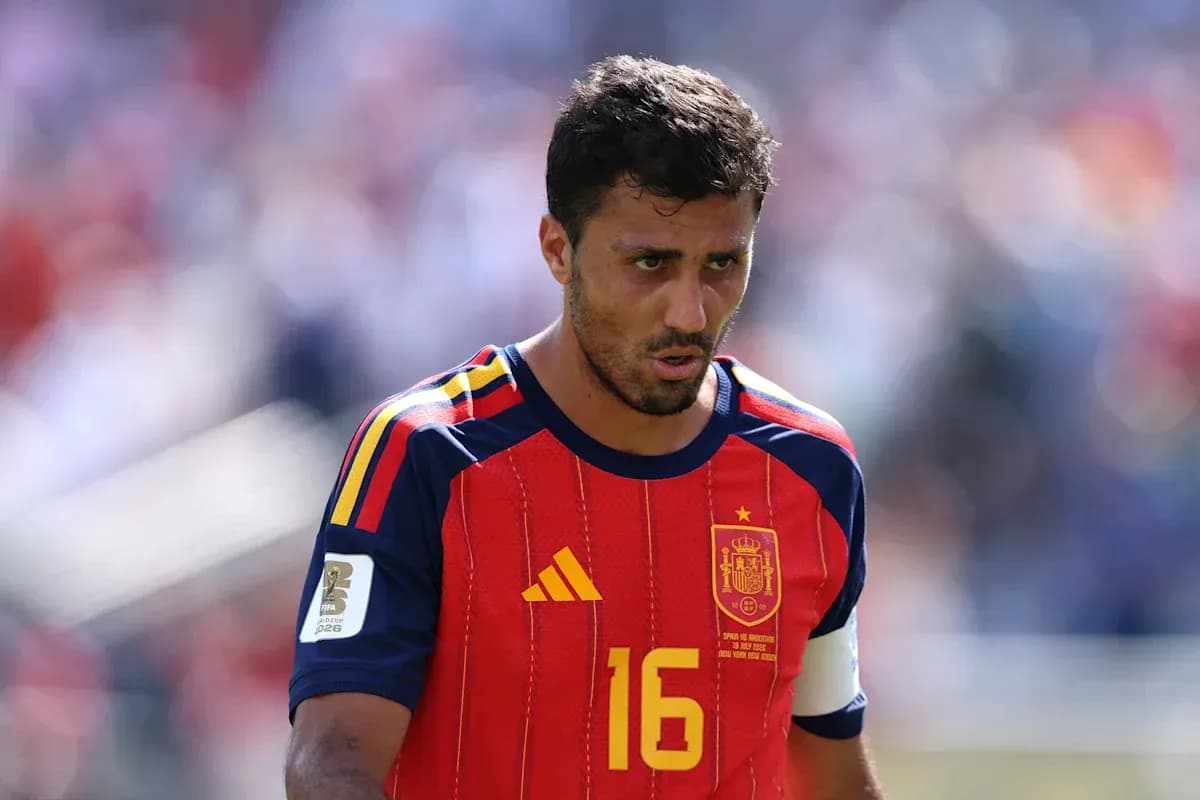
Spain, world champions for the first time in South Africa in 2010, climbed back to the summit this summer, winning their second World Cup at the tournament jointly hosted by the United States, Mexico and Canada. On 19 July, La Roja edged Argentina 1-0 after extra time, Ferran Torres delivering the decisive goal to seal another star on the shirt.
For Sanchez, those triumphs strengthen Spain’s claim to not just co-host the 2030 edition, but to stage its biggest night. “The time has come for Spain to win the World Cup on its own soil,” he said, tying recent success to a vision of a home coronation in six years’ time.
Spain will share hosting duties in 2030 with Portugal and Morocco, in a tournament already unlike any other. To mark 100 years since the first World Cup, some matches will be played outside the main cluster of hosts. Uruguay, Argentina and Paraguay are set to stage their opening games at home, a symbolic nod to the inaugural 1930 tournament in Uruguay, when every match took place in Montevideo.
Amid that sprawling geography, one decision still hangs in the air: where the final will be played.
That uncertainty has opened the door to a quiet tug-of-war that is becoming anything but quiet. Morocco, buoyed by its rising football profile and recent success in staging major events, has been widely viewed as a strong contender to host the last match of the tournament. Sanchez’s intervention signals that Madrid will not treat that as a formality.
The contest is no longer just about stadiums, infrastructure or travel logistics. It has turned sharply political. By stepping in so publicly, Spain’s government has moved from backstage lobbying to centre stage, determined to keep the World Cup’s defining moment within its borders.
The ball now sits with FIFA, and with Infantino, as the 2030 map takes shape. One final, three main hosts, and a question that will define the tournament’s legacy: will the World Cup’s centenary climax in Spain, or will the trophy be lifted under Moroccan skies?