Regis: From Football Star to Life on the Streets
In the northern reaches of São Paulo, far from the floodlights and packed terraces that once framed his life, Regis now sleeps under tarpaulins and torn blankets in a small, filthy square in Pirituba. Rubble piles up around him. Waste rots at his feet. The man who once wore the shirts of Ponte Preta, Corinthians, and Vasco has been reduced to a shadow, surviving day to day on the streets.
He is 49 years old. He has no home, no steady support, and barely a trace of the dignity that came with a professional career spanning Brazil, Japan, Turkey, and Saudi Arabia. Crack cocaine has stripped that away.
Speaking to Globo Esporte journalist Emilio Botta, Regis did not try to soften the reality. He cut straight to the darkest thought of all.
"It's better if they think I'm dead... I don't want anyone to know I exist,"
he said, exposing the depth of his despair in a single, brutal line.
The alarm over his situation did not come from old headlines or former clubs, but from the grassroots. Ex-team-mates from an amateur side, who had seen his physical and mental decline up close, raised the first serious concerns about his health and living conditions. They knew the player he had been. They could see the man he had become.
This was not a sudden fall. The roots of his addiction run back into his playing days. Twice during his career, Regis tested positive for cannabis in routine anti-doping controls. Those incidents, at the time, were treated as disciplinary matters. With hindsight, they look more like early warning flares that nobody truly managed to put out.
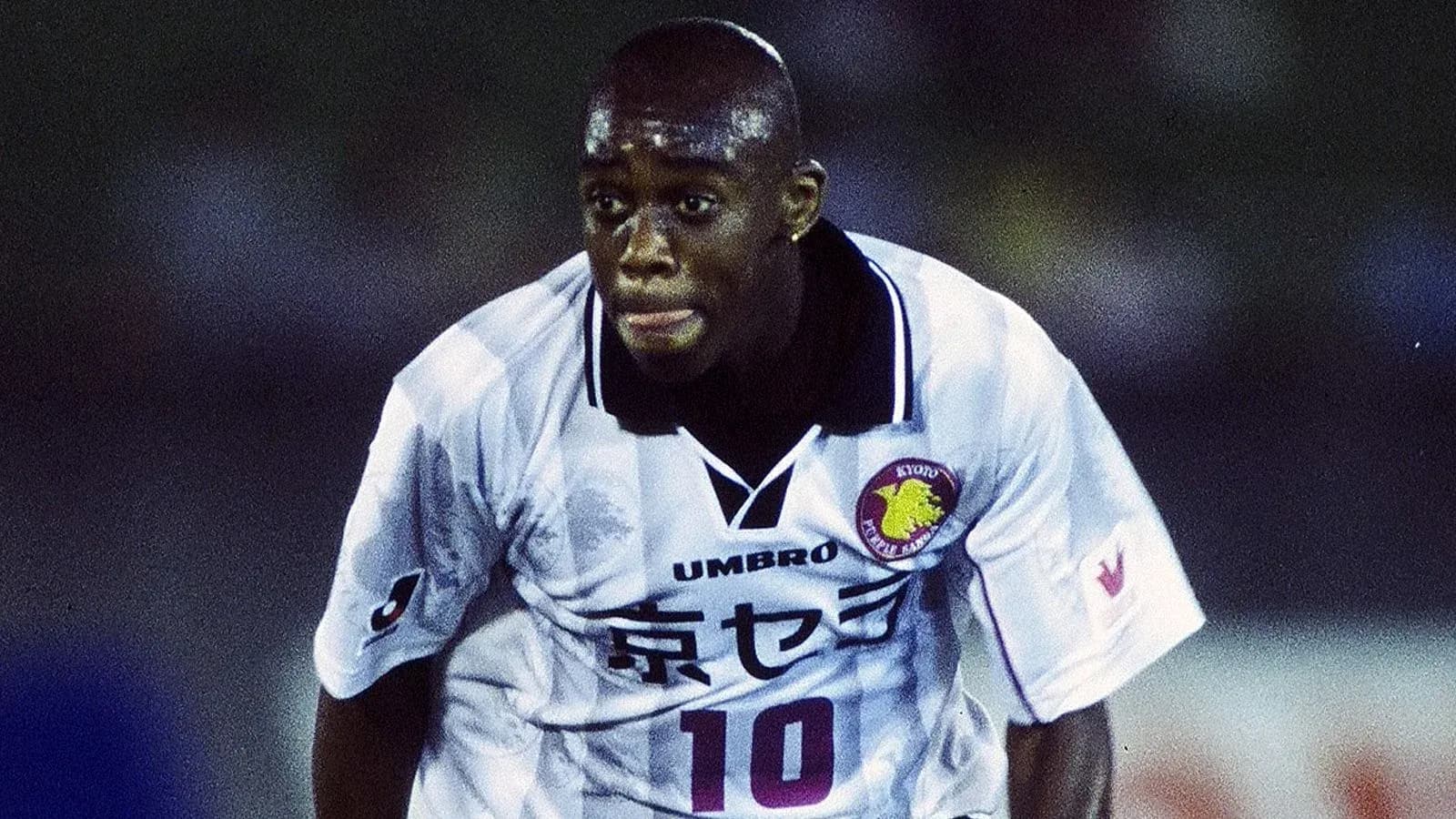
On the pitch, he was a journeyman forward with a respectable record. Across 170 competitive appearances, Regis scored 49 goals, moving through clubs such as Coritiba, Bahia, Portuguesa, and those spells abroad in Japan, Turkey, and Saudi Arabia. He was never a global star, but he was a reliable professional, a familiar name in Brazilian football’s domestic circuit.
When the boots went away, the demons did not. Without the structure of training grounds, contracts, and matchdays, illicit drugs tightened their grip. The discipline of a dressing room gave way to the chaos of dependency. What began as a problem became a prison.
Legal trouble deepened the spiral. In 2025, Regis was arrested after assaulting a building manager. The incident cost him more than a court record; it cost him his home. Forced out of his own apartment, he slipped through the cracks and onto the pavement, joining the countless invisible lives that drift through Brazil’s biggest city.
Now he lives in that small square in Pirituba, under makeshift covers of cardboard and plastic, surrounded by debris. Once, defenders struggled to contain him. Today, he is the one trapped — by addiction, by poverty, by a past that offered glory and then left him exposed when the final whistle blew on his career.
The numbers of his playing days remain in the record books. The reality of his present is written on the streets.