Roberto Mancini's Italy: Rebuilding for Nations League and Euro 2028
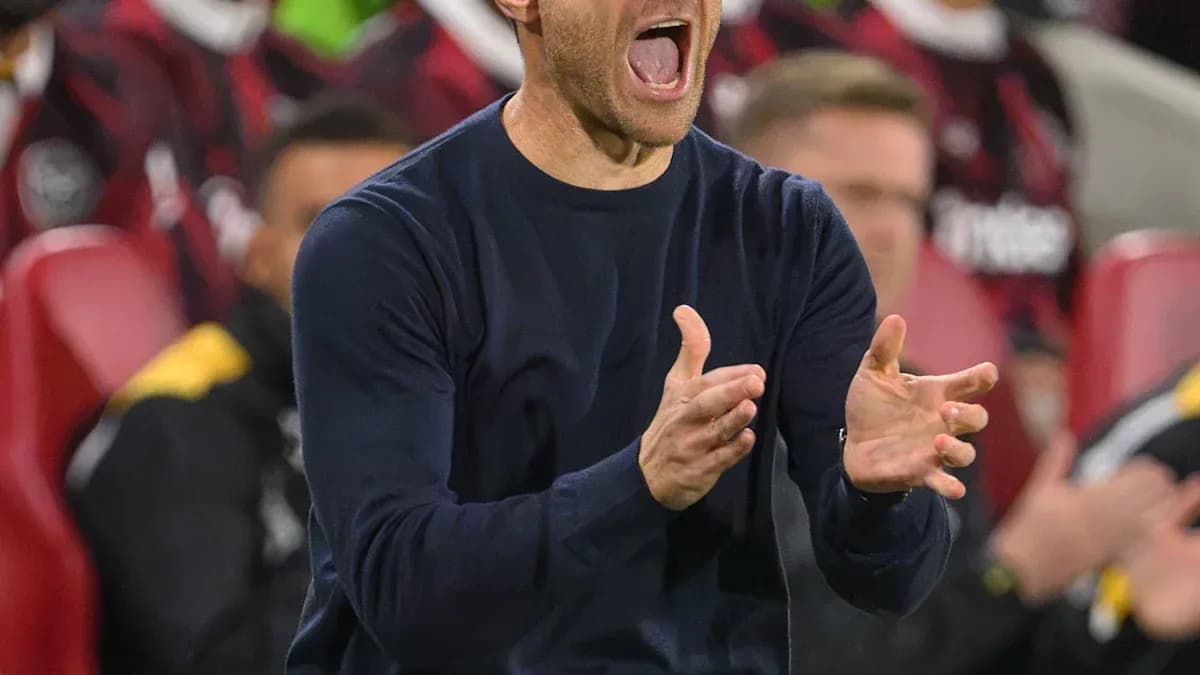
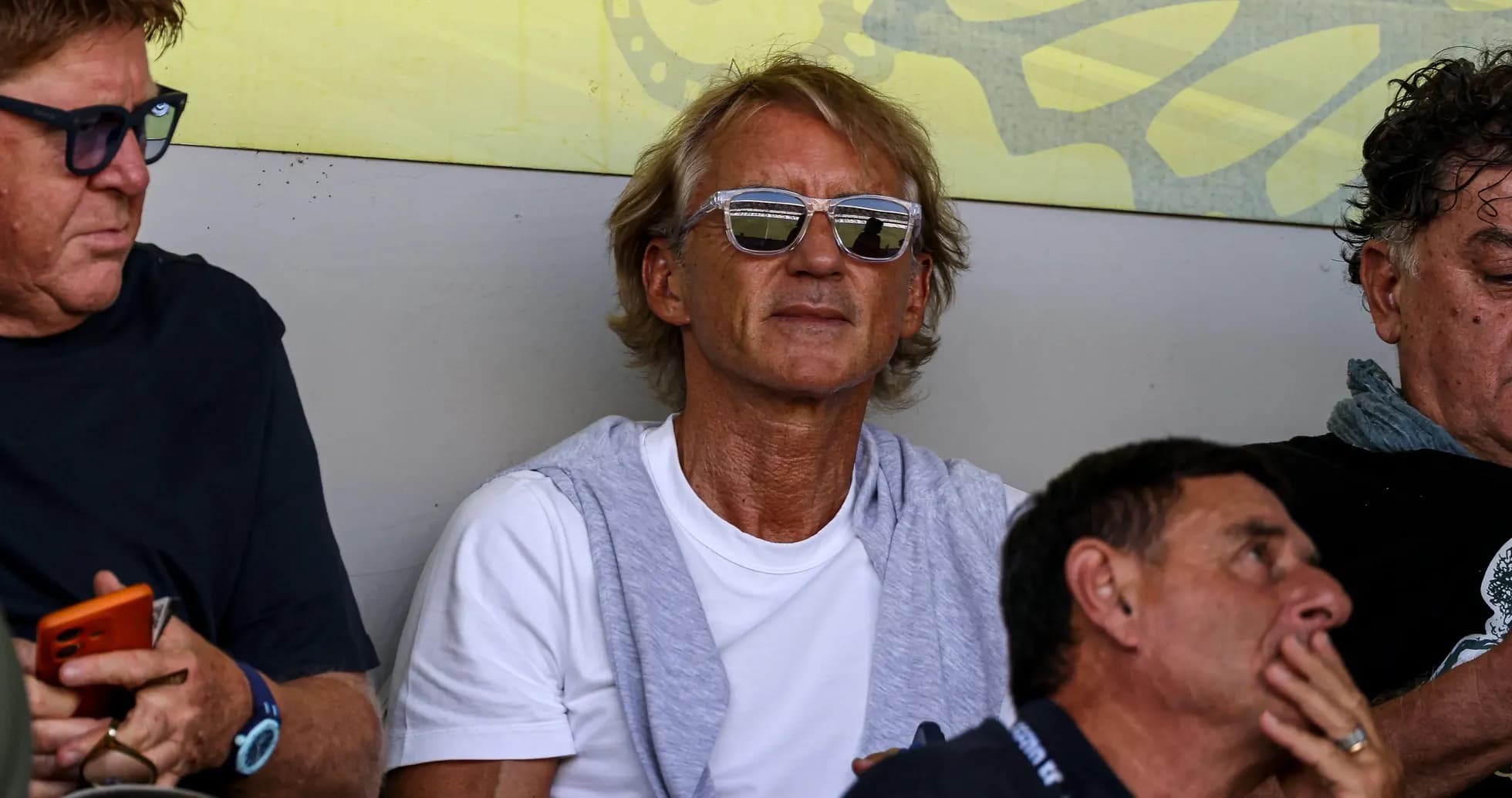
Roberto Mancini’s Italy, Version 2.0, is about to be written in bulk.
According to La Gazzetta dello Sport, the returning head coach is preparing an oversized squad of up to 35 players for the upcoming international window, a list that underlines both the demands of the calendar and the scale of his rebuilding job. More than eight years after his first appointment in May 2018, Mancini steps back into the Azzurri dugout with a Nations League gauntlet waiting for him.
A Brutal Schedule, a Bloated Squad
Four games in 11 days. That is the reality driving this expanded group.
Italy open against Belgium in Rome on 25 September, then head out on the road to face Turkey and France before returning home to Bologna for a second clash with Turkey. It is an itinerary that leaves no room for sentiment and very little for fatigue.
Mancini’s answer is depth. Lots of it.
He is expected to cast the net wide, not only to cope with the physical toll of the schedule but also to test new options under competitive pressure. Squad rotation will not be a luxury; it will decide whether Italy can hit their target of a top-two finish in Nations League Group A and punch a ticket to the quarter-finals.
These matches will also feed directly into the Euro 2028 qualification picture, with seeding for the draw in Belfast on the line. Every selection, every experiment, will carry consequences beyond this window.
New Faces, New Ideas
The leaks point to several surprise names.
Uncapped prospects Romano, Zoma, and Samuel Inacio are all in line for a first taste of senior international football, with possible call-ups as well for Doumbia and Ahanor. For a coach who has never been afraid to promote from the shadows, it fits the pattern.
Romano, a central midfielder, has forced his way into the conversation with his recent form. In a department hit by injuries and short on fully fit, high-level options, his emergence offers Mancini a fresh profile between the lines.
Zoma, based in Germany, is being lined up to inject pace and width into an attack that has often felt too narrow and predictable. The message is clear: Italy must stretch opponents again, not just try to pass through them.
In goal, Bologna’s Pessina could be rewarded with a call that would place him alongside Gianluigi Donnarumma, Marco Carnesecchi, and Guglielmo Vicario. It is a crowded, competitive department, but the inclusion of a fourth keeper underlines how intense the rotation could become over those 11 days.
Old Guard, New Mission
For all the fresh blood, the spine of Italy’s Euro 2020 triumph remains central to Mancini’s thinking.
Nicolò Barella, Giovanni Di Lorenzo, Bryan Cristante, and Alessandro Bastoni are all expected to feature prominently. They carry the memory of a winning cycle, the tactical habits, and the resilience that Mancini will try to graft onto a new generation.
There could also be a nostalgic twist. Federico Bernardeschi, a key figure in that Euros run, and midfielder Rolando Mandragora are both under consideration for surprise recalls. Neither has been a guaranteed presence in recent years, but in a transitional squad, their experience and tactical versatility suddenly carry value again.
The blend is deliberate: proven tournament winners anchoring a dressing room that will welcome players who have never worn the shirt at senior level.
Injuries and Absences
The plan, though, is already compromised.
Federico Chiesa, Nicolò Zaniolo, Manuel Locatelli, and Alessandro Buongiorno are all ruled out through injury. That list strips Italy of creativity, physicality, and defensive stability in one hit.
Mateo Retegui, meanwhile, remains on holiday in Argentina. He is not part of the main planning for now, but Mancini has left the door ajar: the forward could still be summoned if circumstances demand it. In a window this intense, “if required” can arrive quickly.
Protecting the Under-21s
Mancini has resisted the temptation to rip everything up at once.
To avoid gutting the Italy Under-21 side, he has postponed a full-scale revolution. Key youngsters Cher Ndour, Niccolo Pisilli, and Luca Koleosho will stay under Bernardo Baldini for crucial European qualifiers, rather than being fast-tracked into the senior setup.
It is a calculated choice. The senior team needs renewal, but the federation cannot afford to weaken an age group that is supposed to supply the Azzurri for the next decade. For now, the Under-21s keep their stars, and Mancini works with a broader, more experimental senior pool instead.
A Second Act Under Pressure
This is not a gentle reintroduction for Mancini. It is a sprint start.
A 35-man squad, a compressed schedule, a Nations League campaign that doubles as a test lab and a seeding battleground for Euro 2028. Every minute will tell him something: who can handle the shirt, who fits his ideas, who belongs in the core when the real qualifiers arrive.
His first spell delivered a European crown and then a painful World Cup absence. The second begins with a different kind of tension: can he rebuild Italy’s identity while chasing results in real time?
The names will be official soon enough. The judgment on whether this oversized, experimental group can carry Italy back to the sharp end of international football will take a lot longer.