Shakur Stevenson’s Exit from Zuffa Reveals Limits of Dana White’s Grip on Boxing
Inside Shakur Stevenson’s Departure from Zuffa Boxing
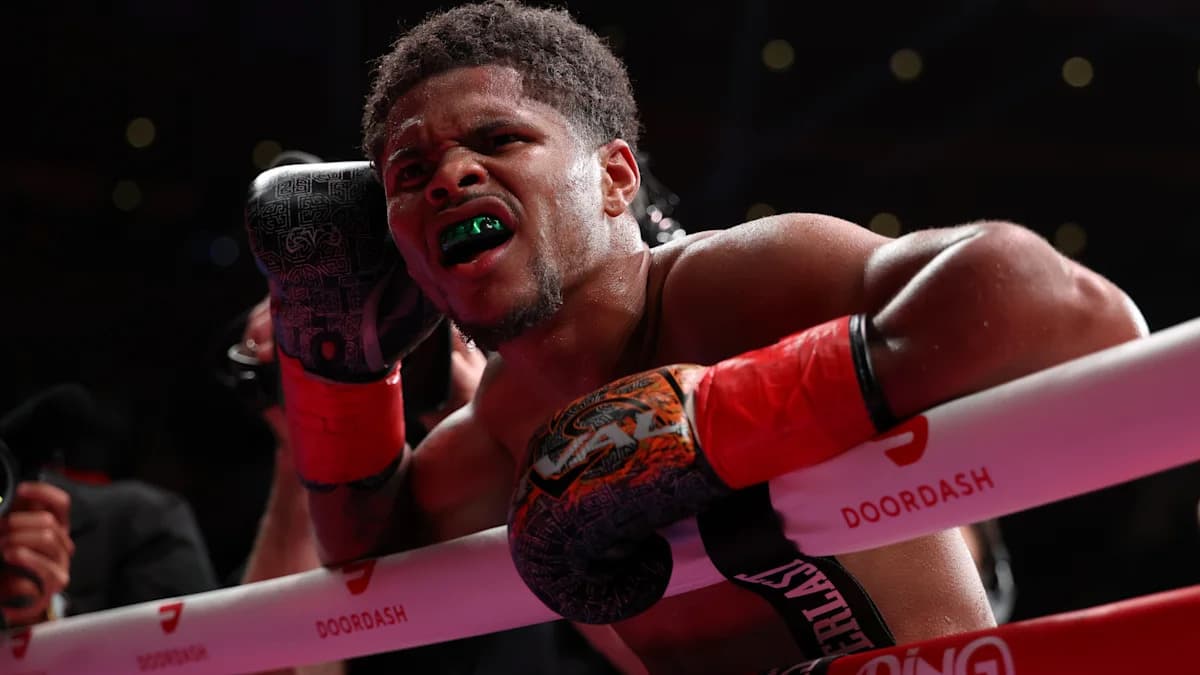
After three months and millions spent on negotiations, Shakur Stevenson left Dana White’s Zuffa Boxing without having fought once. The WBO super lightweight champion and one of the top pound-for-pound fighters, Stevenson’s exit highlights a critical problem when applying the UFC’s promotional model to boxing: signing a star doesn’t guarantee control over their fights.
In the UFC, where Zuffa has immense influence, they control most fighters and the platforms for bouts. Fighters can push for different opponents or better deals, but ultimately the UFC decides if those fights happen. But with Stevenson, this power dynamic was reversed. Though Zuffa signed him, his ideal opponents were with other promoters, making purses, timing, and willingness out of Dana White’s reach.
Obstacles Inside and Outside Zuffa
Zuffa’s stable included notable fighters like Jose Rayo Valenzuela, but Stevenson dismissed that matchup immediately. Dana White, who initially said he wouldn’t collaborate with other promoters, had to look elsewhere. Discussions around unifying titles against WBA super lightweight champ Gary Antuanne Russell failed due to Russell’s $3 million price tag, which Zuffa refused to meet. A mandatory defense against Raymond Muratalla also proved impossible. Plans to have Stevenson fight on the Tyson Fury vs. Anthony Joshua undercard, possibly against Manny Pacquiao, fell apart over financial disagreements.
Eventually, Zuffa allowed Stevenson to pursue a fight with WBO welterweight champion Devin Haney on DAZN, a rival broadcaster. This was unusual since both fighters were on different networks, and Zuffa had struggled to organize a fight on its own platform. But even this opportunity failed; money and weight disputes stopped the bout from happening.
Money Talks and Market Realities
Sources close to the situation told Uncrowned that Stevenson sought about $15 million for a Haney fight. According to reporter Sean Zittel, he wanted the same amount to fight Valenzuela under Zuffa, while the promotion offered $7 million. Stevenson’s camp expressed frustration over his career’s direction with Zuffa.
The case mirrors Conor Benn’s debut with Zuffa, where $15 million was paid, likely as a strategic overpayment to edge out competitors before settling for lower sums. This set a high benchmark, encouraging Stevenson to demand similar pay. He exercised his star power by rejecting certain opponents, refusing to move up in weight, and pushing for top-dollar fights.
The Bigger Challenge for Zuffa
Zuffa faces a tough challenge because many top fighters already have contracts elsewhere. Signing stars like Ryan Garcia, who remains under DAZN contract, means Zuffa must negotiate with rival promoters and broadcasters for big fights. With key names like Teofimo Lopez, Devin Haney, and Stevenson outside its roster, Zuffa risks repeating the cycle of limited control over marquee matchups.
Stevenson is now a free agent and appears likely to join DAZN’s sphere, either through a deal with Matchroom, PBC, Top Rank, Golden Boy, or directly with DAZN itself—following the path of Haney and Lopez. Almost all potential opponents, including Garcia, Haney, Russell, Muratalla, Dalton Smith, and Floyd Schofield, are aligned with DAZN.
Stevenson Takes Control
Announcing his free agency, Stevenson declared:
This time, I want to tell the fans and everyone in the public that I’m now taking my career into my own hands. I’m starting my own promotional company and am open to working with any promoters serious about my career as I am.
By starting his own promotional company, Stevenson could partner with DAZN for funding and collaborate with a promoter to handle event logistics, undercards, and organization.
He was offered a direct DAZN deal over the summer, similar to Zuffa’s offer. But now that DAZN controls Lopez, Haney, and Garcia, and Zuffa is out of the picture for Stevenson, the leverage shifts toward DAZN. His previous asking price may no longer be viable because his options outside DAZN are scarce.
Joining DAZN would place Stevenson alongside many of his desired opponents, but it won’t resolve earlier issues over money and weight class that derailed talks with Haney. Stevenson now holds his career reins but will need to show flexibility to arrange the best fights going forward.