Sophie Cunningham Addresses Controversy Over Sydney Sweeney's Gambling Ad
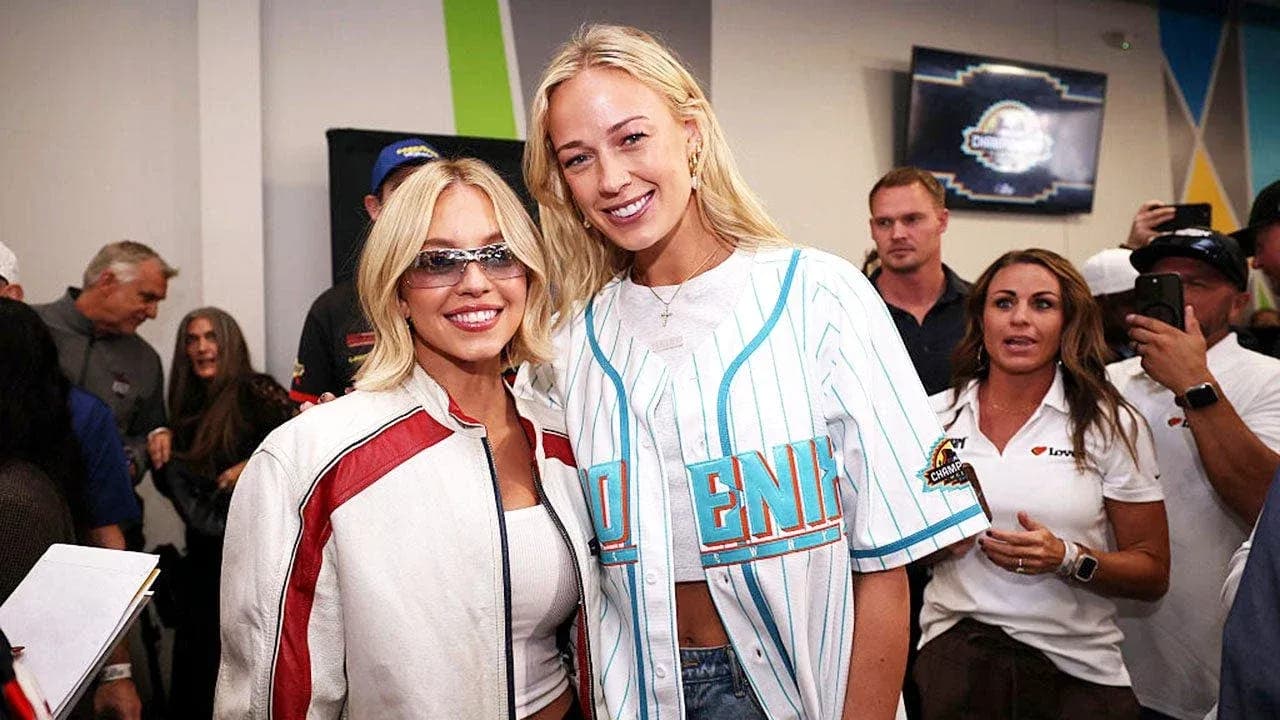
Sophie Cunningham has never been shy about contact, on or off the court. So when a week-long storm swirled around Sydney Sweeney’s provocative gambling commercial and its supposed impact on women’s sports, the Phoenix Mercury guard did what she usually does: went straight at it.
On her revamped “No Hesitation” podcast, Cunningham cut through the outrage with a blunt question.
“Why are girls mad?” she asked. “That is literally what she does. Why is anyone mad? It is a gambling ad: men, sports, naked women. Of course, that’s going to draw attention.”
No hedging. No long preamble. Just a direct challenge to a debate that had quickly turned Sweeney’s ad into a referendum on the state of women’s athletics.
Cunningham didn’t pretend the spot sat comfortably with her.
“Do I agree with it? Morally, I think it’s kind of weird, but each to their own. Go do your thing, sis.”
That balance — acknowledging discomfort while defending Sweeney’s right to own her image — stood in sharp contrast to the more furious reactions that dominated social media, where critics accused the actress of dragging women’s sports backwards.
The ad itself, created for betting platform Novig, was never pitched as a women’s sports campaign. Novig CEO Jacob Fortinsky made that clear while speaking on a panel earlier in the week, stressing that Sweeney wasn’t just the face of the commercial; she helped shape it.
“It really was Sydney who was driving a lot of the visuals and the messaging,” Fortinsky said. He also underlined the company’s backing of women’s sports, calling it “a huge component” of the platform, while insisting, “We never intended to portray female sports.”
In other words, this was a gambling ad. Nothing more, nothing less. A product of a marketplace where betting spots now sit alongside almost every major sporting event.
Sweeney and her new podcast partner, skills coach Drew Hanlen, were clear about the target audience. Hanlen estimated that roughly three-quarters of sports bettors are men. The exact percentage can be debated, but the direction of travel cannot: the campaign was built for a predominantly male betting base, and it leaned into that reality.
For Cunningham, that context matters.
“I can understand when you first see that ad that like it could kind of deflate women, because it’s like we’ve worked so hard to get a little bit of respect around here,” she said. The initial sting, she acknowledged, is real for athletes who have fought to be seen as more than props in someone else’s marketing play.
Then she pivoted.
“But when you really think about it, it’s like, screw it, let that girl do her thing. This has nothing to do with us.”
That line lands at the heart of her argument. Women’s sports, she believes, are no longer so fragile that a single racy commercial featuring a Hollywood star can unravel years of progress. The WNBA, women’s soccer, college women’s basketball — they’re building their own audiences, their own stars, their own economic weight.
“At the end of the day, I’m really loving seeing all these girls who are powerful, strong, showing young girls what it looks like to be an athlete,” Cunningham added. “I don’t think the ad was coming for women in sports.”
It’s a perspective rooted in confidence rather than fear. Instead of treating every pop-culture flashpoint as an existential threat, Cunningham is effectively saying the work on the floor speaks louder — and lasts longer — than a 30-second gambling spot built for clicks.
In a week when outrage moved faster than nuance, the WNBA guard offered something rarer: a calm, clear-eyed take that separated a betting company’s strategy from the broader fight for respect in women’s sports.
The ad will fade. The conversation about who controls the image of women in and around sport will not.