Uganda Cranes Prepare for Challenging AFCON 2027 Qualifiers
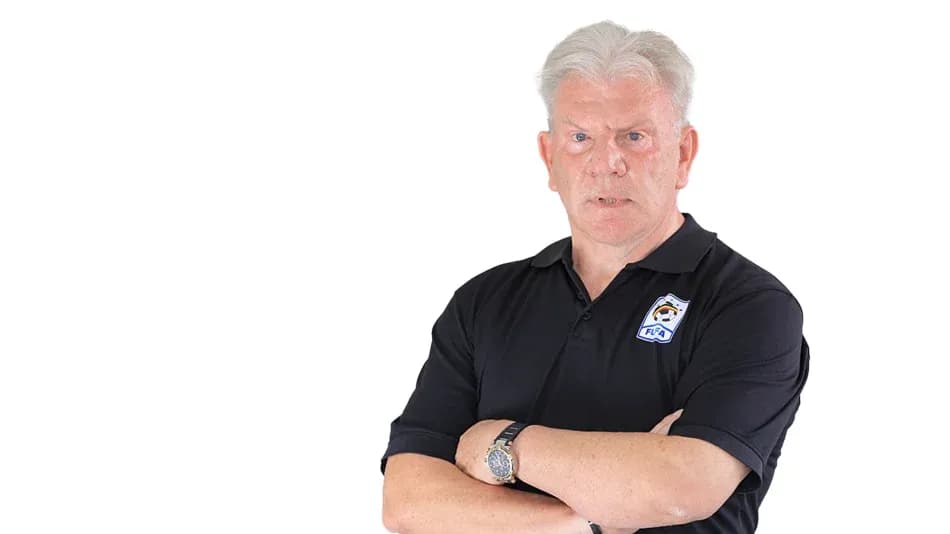
Paul Put has shown his hand. Uganda’s head coach has named a 28-man squad that will carry the Cranes into a demanding September–October international window, headlined by 2027 Africa Cup of Nations qualifiers against Tunisia and Libya and rounded off by two stern friendlies with DR Congo.
It is a list that blends scars and promise, big-club experience and hungry newcomers. It is also a list with some conspicuous absentees.
Four games, sixteen days, no hiding place
Uganda open their AFCON 2027 qualifying campaign away to Tunisia on September 24, a trip that rarely offers comfort to visiting sides. Five days later, on September 29, the Cranes return home to host Libya, a fixture that already feels like a potential pivot in the group.
Then comes a different kind of test. DR Congo await in back-to-back friendlies on October 2 and 5, fixtures designed less for spectacle and more for sharpening edges, testing combinations and pushing fringe players into the fire.
The entire window runs from September 21 to October 6. Four matches in sixteen days. Put has picked a squad that will need to cope with travel, intensity and the unforgiving scrutiny that comes with every international minute.
Onyango back at the heart of it
The headline name jumps off the page. Denis Onyango, the veteran goalkeeper from Mamelodi Sundowns, returns to anchor the group, his presence alone a statement about how seriously Put views this stretch of games. Around him, the coach has built a goalkeeping unit that mixes pedigree and domestic form: David Lukwago of SC Villa and Hannington Ssebwalunyo of NEC FC complete the trio.
At the back, Put has cast his net wide. Toby Sibbick (Burton Albion), Jonathan Odongo (UPPC) and Rogers Torach (CS Constantine) bring different profiles to central defence, while Aziz Kayondo of Slovan Liberec and Herbert Achayi of KCCA FC offer energy and width from the flanks.
Herbert Bockhorn (FC Magdeburg), Nathan Asiimwe (Salford City), Geofrey Lubanga Kene (SC Villa), Hillary Mukundane (Vipers SC) and Gavin Kizito (Nairobi United) round out a defensive unit built to be flexible, capable of shifting between systems as the opposition and match state demand.
Midfield balance and a forward line with questions to answer
In midfield, Put has gone for mobility and versatility rather than sheer numbers. Baba Alhassan (Mardin 1996 Spor) and Noble Okello (Lexington SC) bring a blend of physicality and technique, while Kenneth Semakula, now at Al Ittihad Alexandria, offers structure and discipline in front of the back line.
Allan Oyirwoth (Dunfermline FC) and Joseph Seremba (Nairobi United) add creativity and legs, the kind of players who can stitch together transitions and link an often-isolated forward line to the rest of the team.
Up front, the names underline the spread of Ugandan talent across the globe. James Bogere (AGF), Travis Mutyaba (CS Sfaxien), Denis Omedi (Gor Mahia), Rogers Mato (Hearts), Hassan Mubiru (Azam), Sadam Masereka (Colorado Springs Switchbacks), Steven Mukwala (Al Nasr), Richard Basangwa (NEC FC) and Frank Ssebufu (SC Villa) make up a varied attacking cast.
One forward, listed only by his club AS FAR of Morocco, appears without a confirmed name in the FUFA announcement, a rare administrative wrinkle on an otherwise clear squad list. The role, though, is obvious: more firepower for a team that cannot afford to waste chances away to Tunisia or at home to Libya.
Big names missing, message crystal clear
If the inclusions tell one story, the omissions tell another. Put has chosen this moment to draw a hard line on fitness and form.
Jordan Obita and Elio Capradossi are both ruled out through injury, removing two experienced options who would normally walk into the matchday conversation. More striking still is the absence of captain Khalid Aucho, along with Salim Jamal, Uche Ikpeazu, John Paul Dembe, Bobosi Byaruhanga and Jude Ssemugabi.
The Belgian coach has been blunt in his reasoning. Some of those left out are currently without clubs. Others have only just completed transfers and have not logged enough competitive minutes. A few are still working their way back from long-term injuries and are not yet at the level required to handle a window this intense.
The message is uncompromising: the national team is not a fitness lab. Players must arrive ready to perform, not to catch up.
Yet the door is not locked. Put has stressed that every absent player has a route back once they regain rhythm, fitness and regular game time. For established names on the outside, the challenge is simple and ruthless—prove it at club level, then reclaim your shirt.
A proving ground before the road to 2027 gets real
Put has spoken of satisfaction with the form, fitness and commitment of those selected, and the structure of this window backs up his conviction. Tunisia away will test resilience and organisation. Libya at home will measure composure under expectation. DR Congo, twice in quick succession, will stretch the depth and reveal who can adapt on the fly.
Four games. One squad. Limited room for excuses.
For Uganda, this is not yet the decisive chapter of the AFCON 2027 story, but it is where the tone is set. The names are on the sheet. The standards have been laid down.
Now the question is whether this group can turn a demanding schedule into a launchpad rather than a warning sign.