Hans-Joachim Watzke on Thomas Tuchel's Missed Chance as Germany Coach
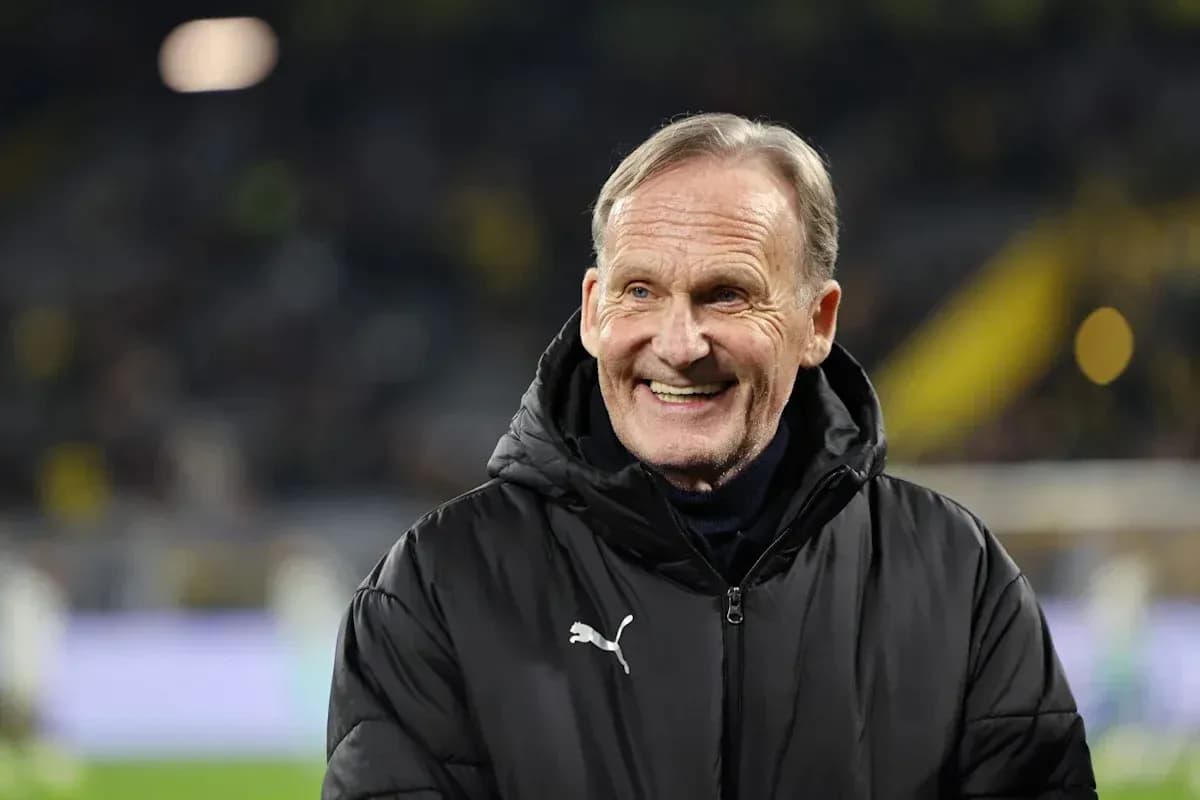
Hans-Joachim Watzke still remembers the sleepless nights after Qatar.
Germany had crashed out of the 2022 World Cup with a whimper, the performance as alarming as the result. In the middle of that national inquest, the long-serving Borussia Dortmund boss quietly formed a bold idea: Thomas Tuchel, now in charge of England, should have been the man to rebuild the Nationalmannschaft.
Speaking to Sky Germany, Watzke did not hide how bleak the mood was.
"We were eliminated in Qatar quite miserably. And then? Then you think at night or for two nights, what could be now?"
In those nights, his mind went to a familiar figure.
Tuchel as the missed Germany coach
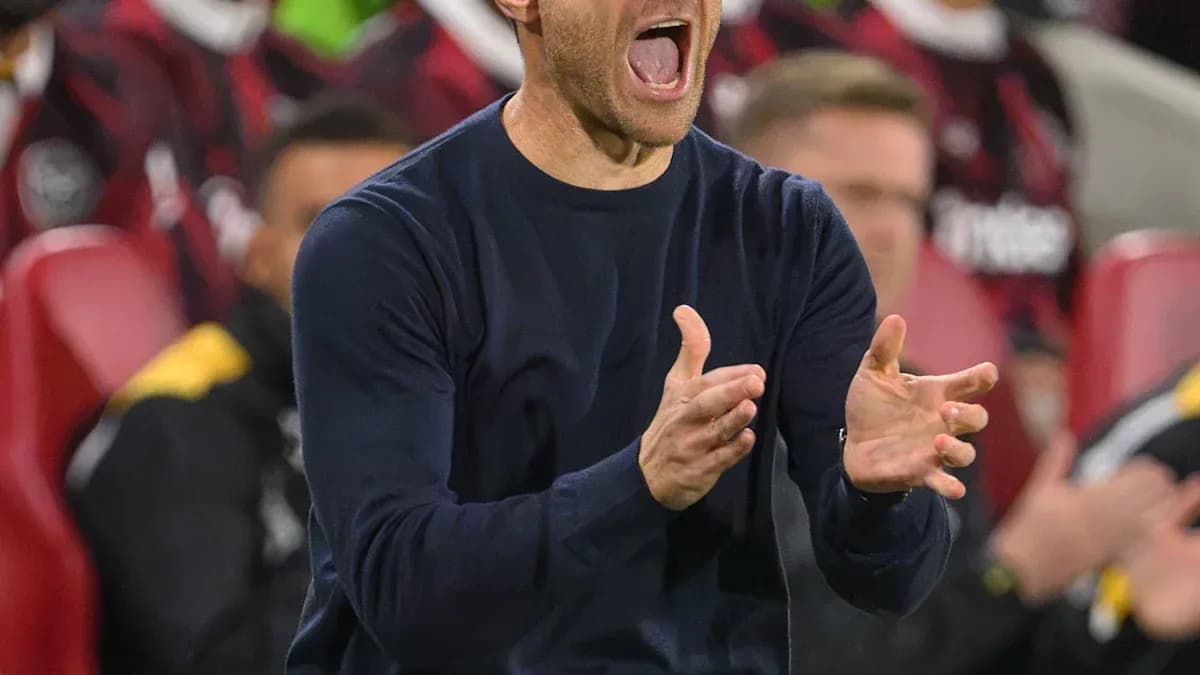
By that point Tuchel was between jobs, a Champions League-winning coach with a deep understanding of German football and a proven track record at the very top level. For Watzke, the fit seemed obvious. The problem: it was never his call to make.
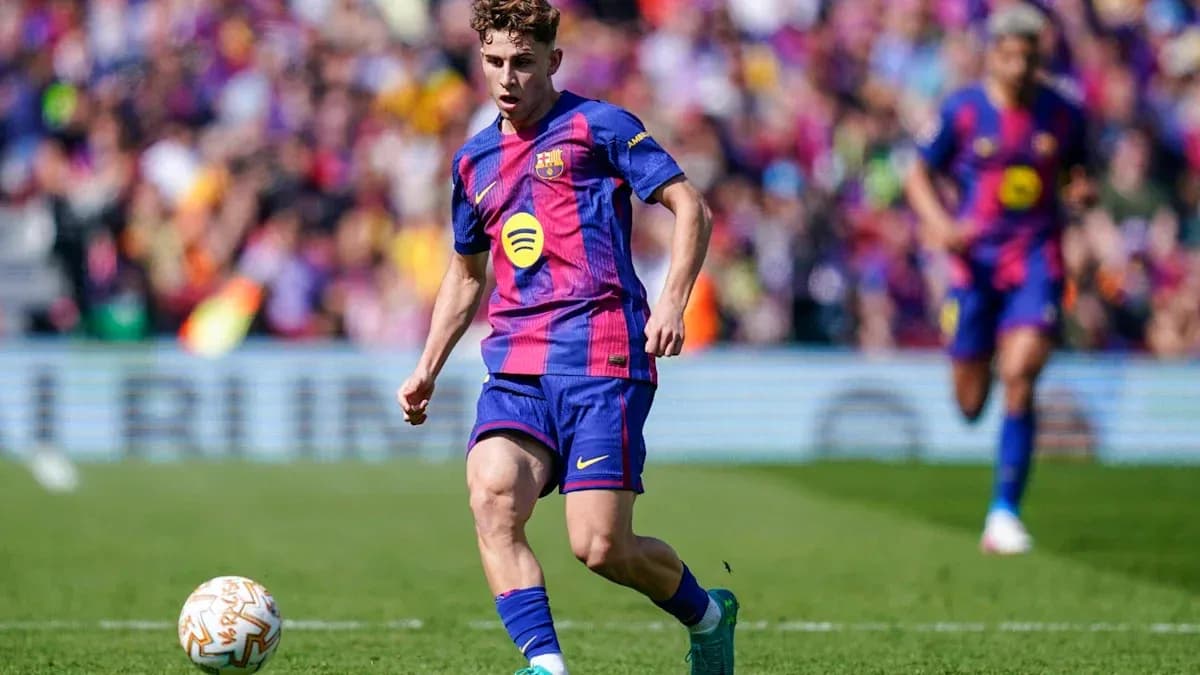
"Oliver Bierhoff was still there at the time. It was not my decision who would be national coach," Watzke explained. "But the basic attitude was simple: We'll continue with Hansi Flick. And Hansi is an excellent coach; you can see what he's doing at Barcelona."
The federation chose continuity. Watzke, despite his rank as DFB vice president since 2022, could only watch as Germany doubled down on Flick after a tournament in which, in his view, the warning signs were everywhere.
He believed the real issue ran deeper than an early exit. The performances, the body language, the sense of authority on the pitch – all of it felt wrong. That is where he saw Tuchel as the radical reset.
Old wounds, lasting respect
Watzke’s admiration for Tuchel carries a complicated history. The pair worked together at Borussia Dortmund between 2015 and 2017, a spell that brought the DFB Pokal but ended in acrimony.
Tuchel was dismissed shortly after lifting that trophy, with tensions erupting around Dortmund’s Champions League quarter-final against Monaco in 2017. The team was ordered to play the home leg just a day after a bomb attack on their bus – a decision that sparked fierce internal disagreement and, ultimately, a rupture between coach and hierarchy.
From the outside, it looked like a clean break: club versus coach, a relationship shattered. Watzke now insists that the public version never told the whole story and that, despite everything, the bond between the two men survived.
"What has gone out to the public wasn't the full truth," he said, stressing that the respect between them remained intact.
That respect has been tested in extreme circumstances. Watzke pointed to the bus attack, and how Tuchel experienced that night, as something that can never be fully judged from the outside.
"Anyone who knows Tuchel as a personality also knows that he also imposes this pressure on himself," Watzke said. "And as I said, I always had respect for it in the end, even in retrospect, because I don't know if, when you were sitting on the bus at that moment, things felt different for you. After all, you just have to respect that."
A recommendation that travelled to England
Years later, Tuchel’s path took him not to the DFB bench, but to one of the most scrutinised roles in world football: England manager. Before that appointment, Watzke’s phone rang again.
This time, his opinion did matter.
Before the English FA moved for Tuchel, Watzke was consulted and asked for an assessment of his former coach. He did not hesitate. The recommendation was positive, grounded in the same qualities that had once made him picture Tuchel in charge of Germany.
The DFB chose a different road after Qatar. England seized the opportunity Germany never took. And as Tuchel now shoulders the weight of another football nation’s expectations, Watzke’s late-night thoughts from 2022 hang in the air: what might have happened if those conversations about the future of the German national team had gone a different way?