WNBA's Transformation Dilemma: Balancing Women's Sports and Activism
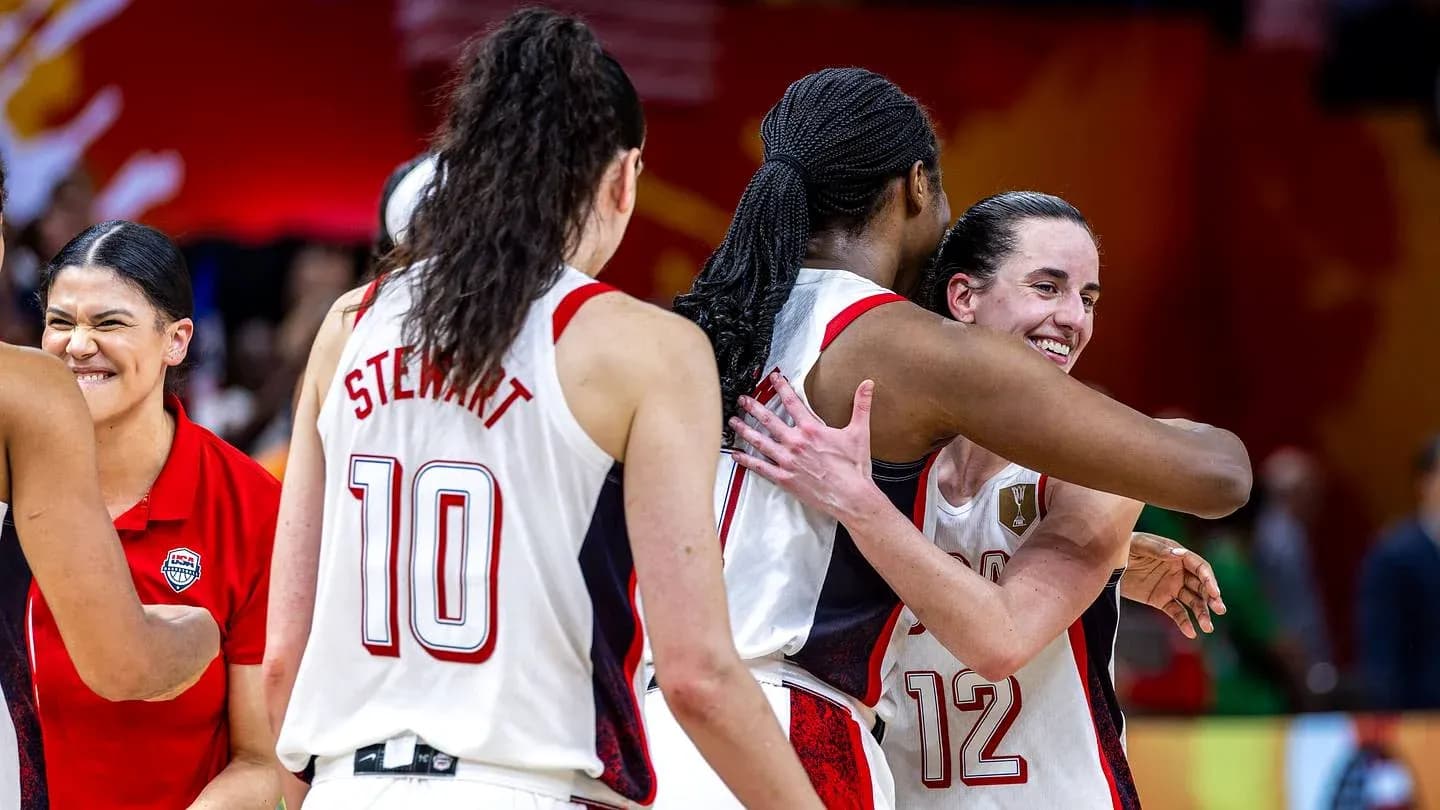
The Women’s National Basketball Players Association stepped into one of sport’s most volatile debates this month and tried to calm the storm with familiar language.
The union’s statement on the participation of biologically male players in the WNBA was drenched in the modern vocabulary of sport and politics: “justice, equity, diversity, and inclusion” on one side; “hate, abuse…fear, division, and harm” on the other. All the expected signposts were there.
But one line cut through the boilerplate: the claim that these values “allow it to protect women’s sports while creating transformational change.”
There’s the bind, laid bare in a single sentence.
For years, women’s leagues sold themselves as transformational projects, battling for respect, visibility, and money. That fight reshaped the landscape. The WNBA, once a punchline in college bars, now sits on an 11-year, US$3-billion television deal. The “what if” has become “what now?”
So what does a league do once it has, in many ways, already transformed?
Do its players finally get to be what male professionals have always been—athletes first, standard-bearers for social causes only when they choose? Or must they keep chasing new frontiers of transformation, even when those missions collide head-on with the basic premise of their competition?
That’s the tension running through the union’s statement and the league’s posture.
The WNBA is trying to juggle two incompatible roles: a premier women’s sports competition and a platform loudly aligned with transgender activism. On the court and in private, everyone understands the obvious: allowing female-identified men to compete against women—something four former NBA players have floated—would tear at the sport’s competitive integrity. Off the court, the league’s leadership seems unwilling to put that obvious reality into clear, written rules.
The result is paralysis dressed up as principle.
Rather than confront the contradiction, the league urges silence. Raise concerns and you’re told you’re “sowing divisiveness.” Question the policy vacuum and you risk being branded a bigot. Golden State Valkyries head coach Natalie Nakase went as far as labelling dissenting fans as engaging in “hate speech,” a phrase that lands like a warning shot at anyone thinking of challenging the party line.
It leaves the WNBA in a bizarre position: a women’s league whose leaders publicly balk at defining what a woman is.
This isn’t the familiar story of male gatekeepers holding women back. It isn’t a backlash whipped up by talk-show hosts or political operatives. This is an internal conflict—women’s sport turning its hard-won power against its own foundations.
Why is that happening? To understand, you have to look beyond the billion-dollar TV deals and the glossy branding, and into other corners of women’s sport where the same fault lines are starting to crack open.
One of the clearest case studies is emerging far from the bright lights of the WNBA, in a code that rarely makes global headlines but now offers a stark preview of where this road can lead.