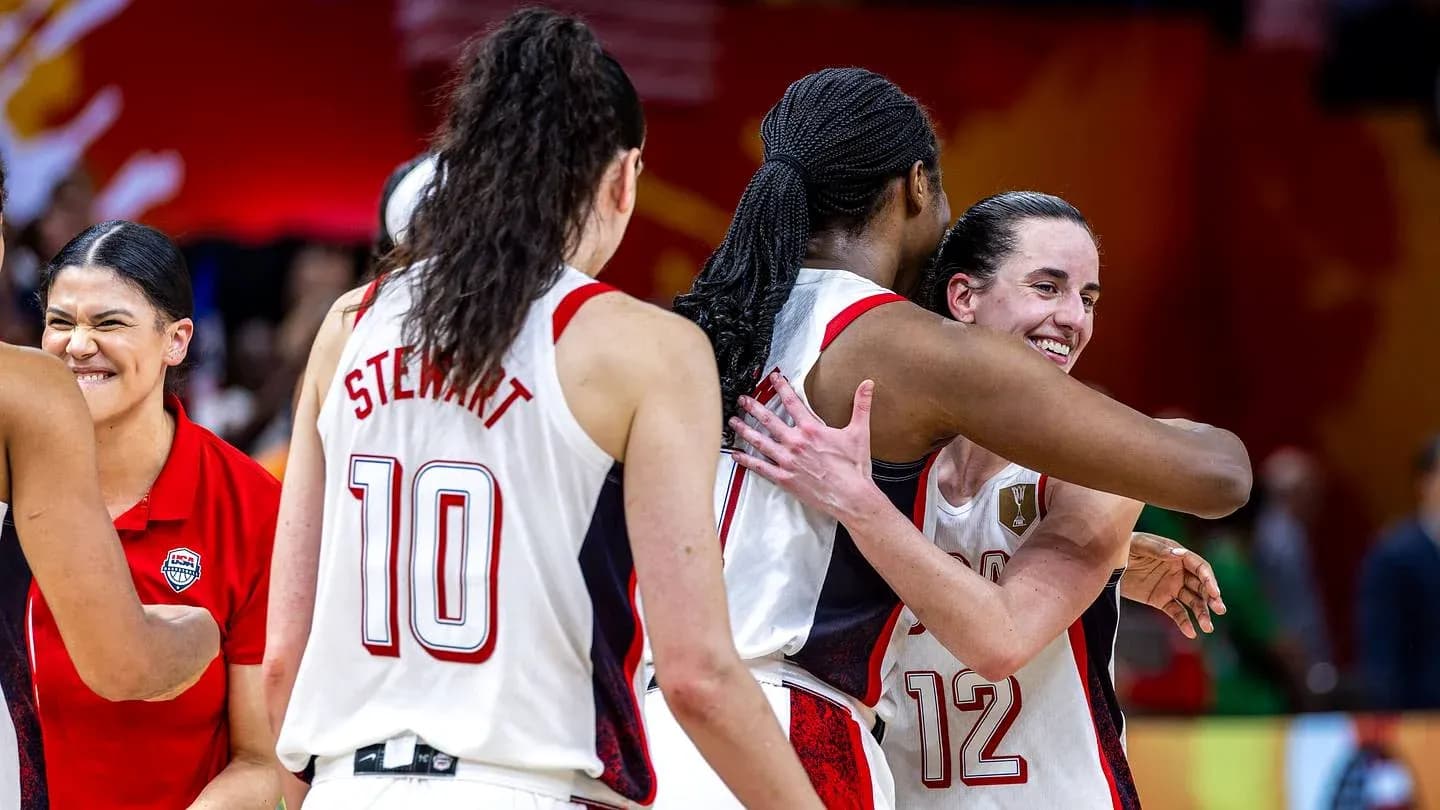
2026 FIBA Women’s World Cup: Berlin Showdown Begins
The wait is over in Berlin. Sixteen of the world’s best women’s national teams have converged on Germany’s capital, chasing a world title, a place in Olympic history, and, for most of the field, a ticket to Los Angeles in 2028.
Over 10 days, from Sept. 4 to Sept. 13, the tournament will squeeze in 36 games and a heavyweight finish on the final Sunday, when a new world champion is crowned — or the current one tightens its grip yet again.
A World Cup with Olympic weight
This edition is the biggest since 2018, back to a full 16-team field, but the format is not the only thing that has shifted. The stakes have, too.
The champion in Berlin will earn a direct berth to the LA28 Olympic Games. That golden shortcut comes with one major caveat: the United States is already in the Olympic field as host. If Team USA defends its crown and lifts the World Cup trophy for a fifth consecutive time, the World Cup will not hand out an extra Olympic ticket. Everyone else, from Europe to Asia to Africa, is playing for a prize that could reshape the next Olympic cycle.
It sharpens every possession. Every group game. Every late‑game decision.
New format, new pressure
The 16 teams are split into four groups of four, but the path out of the group stage has been reworked.
Win your group, and you punch a direct ticket to the quarterfinals. No detours. No extra hurdles.
Finish second or third, and the road gets longer. Those teams will be thrown into a crossover qualification round, fighting for the remaining quarterfinal spots in high‑wire, win‑or‑go‑home games. Only the bottom team in each group sees its World Cup end at the first stage.
It’s a structure built to reward dominance and punish hesitation.
The field: contenders, dark horses, and hosts
Group A
- Japan
- Spain
- Germany
- Mali
Japan’s speed and spacing, Spain’s pedigree, and host nation Germany’s home-court energy form a compelling mix, with Mali bringing size and physicality that no one can afford to overlook. Berlin will not be gentle on any slow starter in this group.
Group B
- Hungary
- South Korea
- Nigeria
- France
Nigeria and France bring serious defensive teeth, while Hungary and South Korea will try to disrupt the script with shooting and tempo. This group has the look of one where seeding could swing wildly over 40 frantic minutes.
Group C
- Belgium
- Australia
- Puerto Rico
- Turkey
Belgium’s flair and Australia’s tradition at the top level give Group C a heavyweight feel. Puerto Rico and Turkey, though, have enough firepower to turn this pool into a minefield for any favorite that drifts for a quarter.
Group D
- United States
- Czech Republic
- Italy
- China
All eyes, inevitably, fall on the United States. The defending champions sit in a group that offers a blend of styles: China’s size and discipline, Italy’s shooting, Czech Republic’s balance. Every one of them knows a statement against the Americans could change the tone of their entire tournament.
How to watch
For fans following from home, the coverage is wall‑to‑wall.
TNT Sports will carry every game of the 2026 FIBA Women’s World Cup. Every matchup streams on HBO Max, with selected games also airing on TNT and truTV, including key United States fixtures and marquee group clashes.
Opening day: giants on the early shift
The tournament explodes into life on Friday, Sept. 4, with a packed slate that starts before sunrise on the East Coast and runs deep into the afternoon.
Friday, Sept. 4
- Australia vs. Puerto Rico – 5:30 a.m. ET (HBO Max)
- Japan vs. Mali – 5:30 a.m. ET (HBO Max)
- South Korea vs. Nigeria – 6:30 a.m. ET (HBO Max)
- United States vs. China – 6:30 a.m. ET (TNT/truTV)
- Belgium vs. Turkey – 11:30 a.m. ET (HBO Max)
- Spain vs. Germany – 11:45 a.m. ET (truTV)
- Czech Republic vs. Italy – 2:15 p.m. ET (HBO Max)
- Hungary vs. France – 3 p.m. ET (truTV)
The United States opens against China in an early test that should offer an instant read on both teams’ ambitions. Spain-Germany, with the hosts under the lights in Berlin, carries its own emotional weight.
The group stage gathers pace
Once the first ball is tipped, the games come in waves. There’s barely room to breathe.
Saturday, Sept. 5
- Mali vs. Spain – 5:30 a.m. ET (HBO Max)
- Nigeria vs. Hungary – 8:30 a.m. ET (HBO Max)
- Germany vs. Japan – 12 p.m. ET (HBO Max)
- France vs. South Korea – 2:45 p.m. ET (HBO Max)
Germany vs. Japan could go a long way to deciding Group A’s shape, while Nigeria-Hungary and France-South Korea begin to sort the hierarchy in a loaded Group B.
Sunday, Sept. 6
- Turkey vs. Australia – 5:30 a.m. ET (HBO Max)
- China vs. Czech Republic – 8:30 a.m. ET (HBO Max)
- Puerto Rico vs. Belgium – 11:45 a.m. ET (truTV)
- Italy vs. United States – 2:45 p.m. ET (TNT)
By Sunday, Group C’s tone will be clearer after Turkey-Australia and Puerto Rico-Belgium. In Group D, China and Czech Republic collide before Italy steps into the spotlight against the United States, another measuring stick for the defending champions and a potential lifeline for Italy.
Monday, Sept. 7
- Puerto Rico vs. Turkey – 5:30 a.m. ET (HBO Max)
- Belgium vs. Australia – 5:30 a.m. ET (HBO Max)
- Hungary vs. South Korea – 8:30 a.m. ET (HBO Max)
- Nigeria vs. France – 8:30 a.m. ET (truTV)
- Japan vs. Spain – 11:50 a.m. ET (truTV)
- Mali vs. Germany – 11:50 a.m. ET (HBO Max)
- Italy vs. China – 2:45 p.m. ET (HBO Max)
- United States vs. Czech Republic – 2:45 p.m. ET (TNT/truTV)
Monday’s schedule is brutal. Belgium vs. Australia headlines Group C in a clash that could decide who skips the qualification round. Nigeria vs. France has the feel of a statement game in Group B. Japan vs. Spain is a stylistic duel that could light up Group A, while the United States closes its group slate against Czech Republic, with Italy-China potentially deciding who keeps their quarterfinal hopes alive.
Ten days. Thirty-six games. One direct ticket to LA28 on the line — unless the reigning powerhouse refuses to let it go.