2026 U.S. Open: Etiquette Storm and Tennis Drama
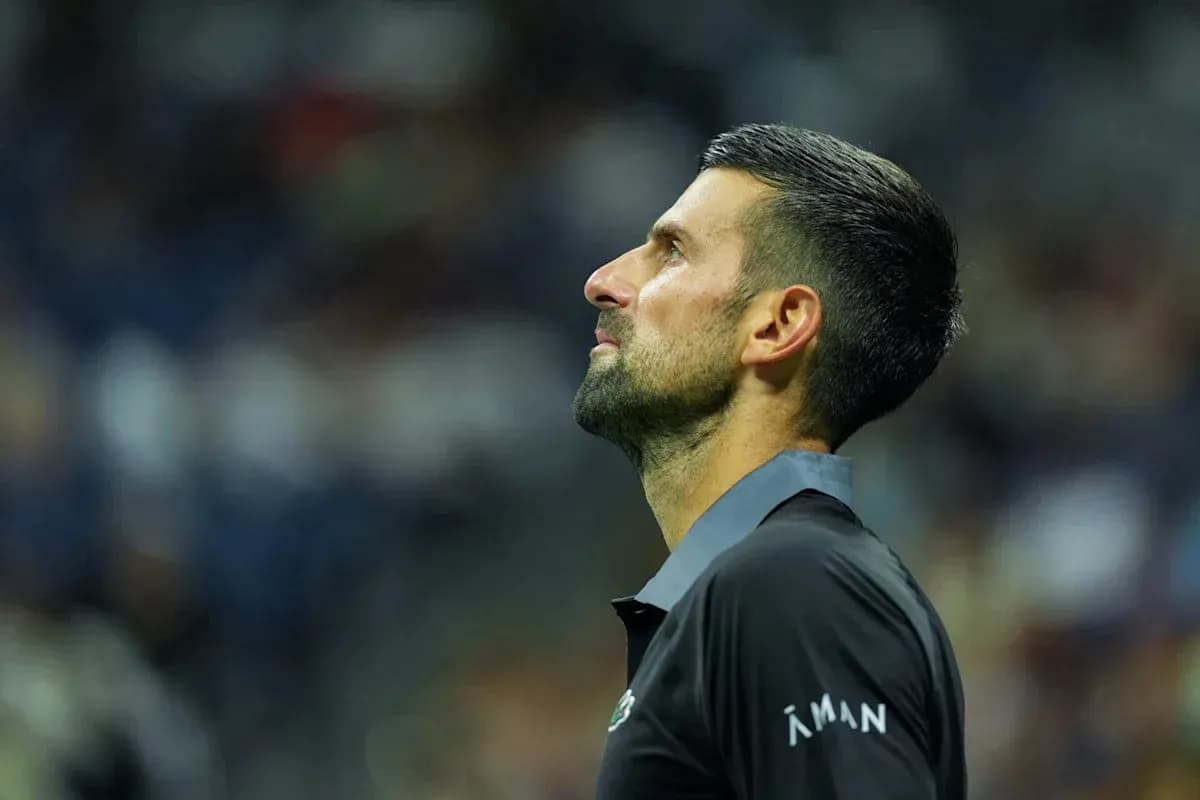
On court, the 2026 U.S. Open has delivered exactly what a New York major should: chaos, quality and a few jolting plot twists. Novak Djokovic’s exit in the first round lit the fuse, ripping open the men’s draw and inviting a wave of underdogs to step into the spotlight.
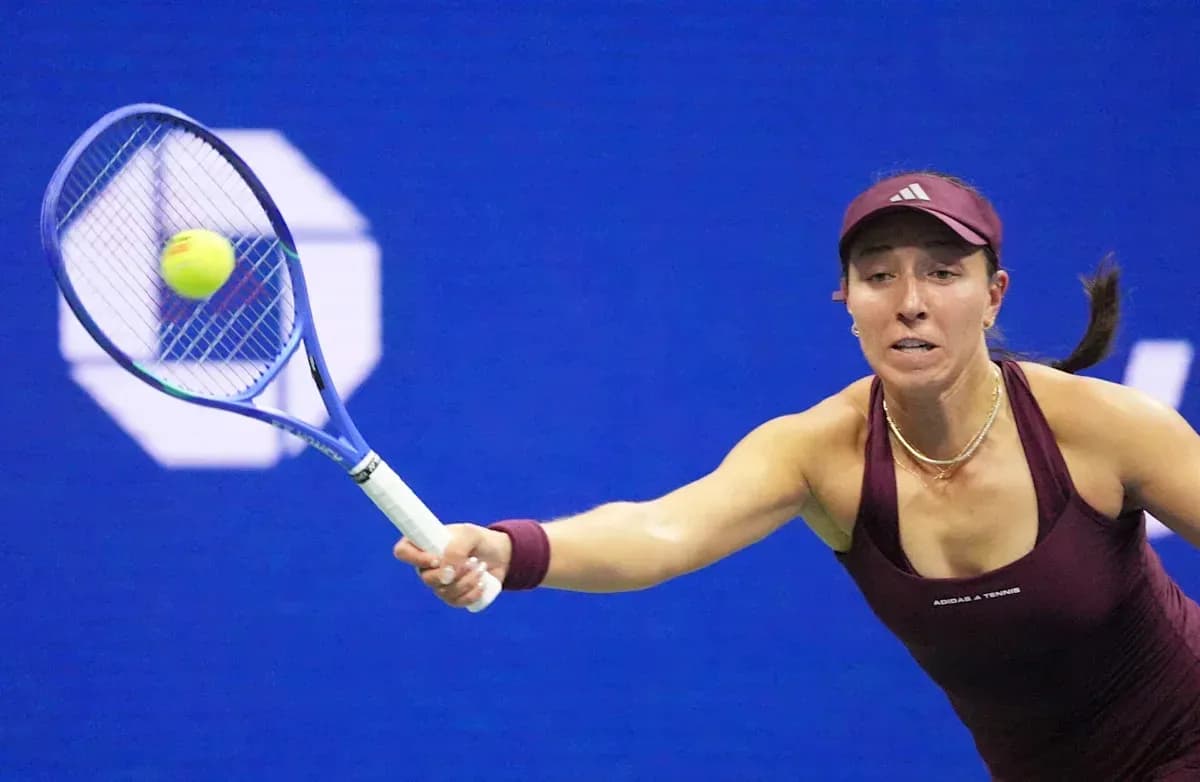
The women’s tournament has gone the other way. The sport’s biggest names have largely held their nerve, producing the kind of high-grade, prime-time tennis the U.S. Open loves to showcase under the lights at Arthur Ashe Stadium.
Yet for all the shot-making and drama, the conversation around this tournament has drifted away from forehands and tie-breaks and straight into the stands.
Influencers in the Firing Line
The flashpoint came off the court. Tournament organizers invited a swath of social media influencers to Arthur Ashe, hoping to amplify the event’s reach and tap into new audiences.
They got attention. Just not the kind they wanted.
Those guests, many of them unfamiliar with tennis’s unwritten rules, quickly became a symbol of everything traditional fans felt was going wrong. Filming during points, loud chatter, constant movement — behavior that might be harmless at a basketball game looked wildly out of place in a sport that still treasures silence during play.
The backlash was immediate and fierce. Long-time followers questioned whether the Open had gone too far in chasing clicks and content, sacrificing the sport’s culture in the process. The debate has split opinion: is this evolution, or erosion?
Ashe Turns Noisy – and Not in the Right Moments
Then came the scenes that pushed the issue beyond influencer culture and into something deeper.
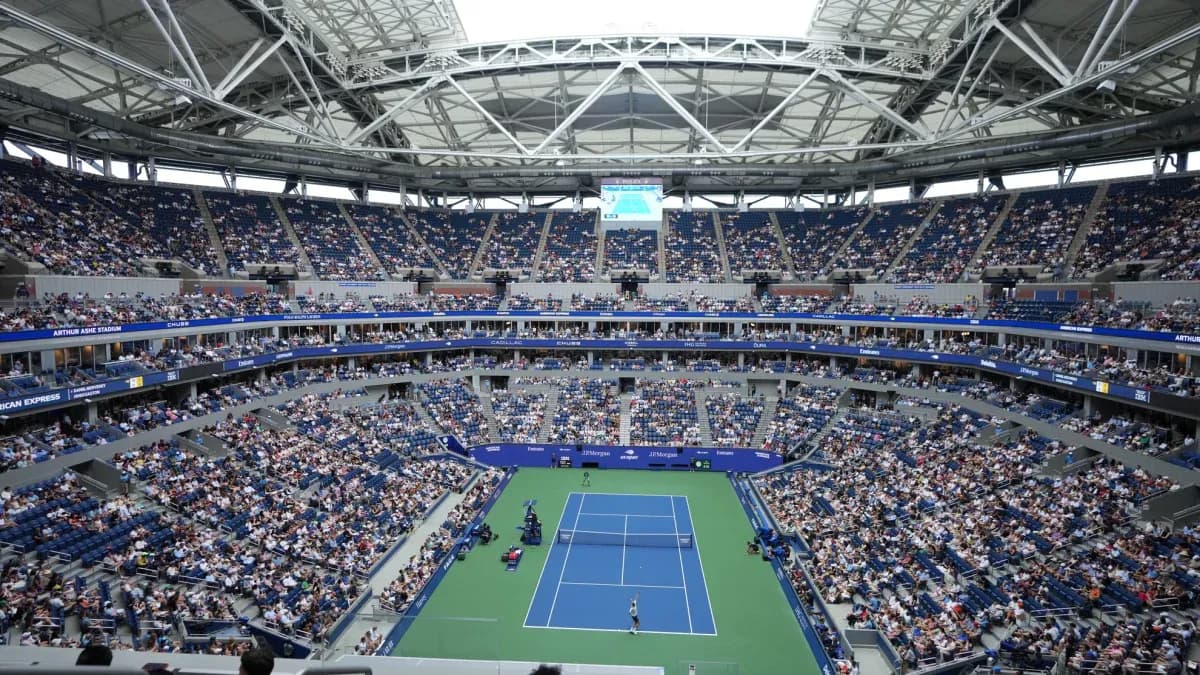
During a night session at Arthur Ashe Stadium, the sport’s biggest stage, the noise level from the crowd stayed high even as rallies unfolded. This wasn’t the usual New York roar between points. Fans were talking through play. People in the lower bowl were getting up and wandering the aisles while points were still live.
It jarred.
Tennis has always asked for one simple concession from its spectators when the ball is in motion: quiet. Not reverence, not stuffiness, just enough respect for the players to see and hear the ball. On this night, that basic compact broke down.
This wasn’t just about a few influencers chasing content. It was about casual fans who either didn’t know, or didn’t care, about the etiquette that separates a tennis crowd from any other sporting audience.
A Tournament Under Scrutiny
The pressure finally turned on the organizers. When crowd behavior starts affecting the rhythm of matches, questions naturally follow about how the event is being run.
Security and ushers appeared slow to clamp down on movement during points. Announcements and reminders about staying seated and quiet when the ball is in play have not cut through in the way the tournament would have hoped. For many watching, it has felt like a basic failure of crowd control at a Grand Slam that prides itself on being loud but still, at crucial times, respectful.
Fans have not been shy about voicing their frustration. Social media has filled with clips and complaints about the atmosphere, with the phrase “poorly organized” attached to the U.S. Open more often than any major would like.
The tennis, by most measures, has been outstanding. The storylines on court are rich, the upsets real, the quality high. Yet as the tournament heads toward its decisive weekend, the enduring image may not be a blistering winner down the line, but a restless, noisy lower bowl at Arthur Ashe Stadium — and a sport wrestling with how far it can bend its traditions before something important snaps.