2026 US Open Quarterfinals: Rybakina, Gauff, Blockx, Zverev in Action
Arthur Ashe Stadium braces for a heavyweight quarterfinal slate on Wednesday, a Day 11 schedule that feels more like a finals showcase than a midweek checkpoint at the 2026 US Open.
Rybakina faces the last outsider
The women’s quarterfinals open the day, and they open hard.
No. 2 seed Elena Rybakina steps into Ashe at 11:30 a.m., carrying the aura of a champion and the burden of expectation. Across the net stands Zheng Qinwen, the last unseeded player left in the women’s draw, clinging to a Cinderella run that has outlasted the seeds around her.
Rybakina’s power, precision, and big-match résumé make her the clear favorite on paper. Zheng brings something else: freedom. No seed next to her name, no burden of defending points, just the belief that she can disrupt the script on the sport’s biggest court. One swings with the authority of a contender expected to be here; the other swings like every point might be the biggest of her career.
Only one of them walks away still chasing the trophy.
Gauff under the lights of home pressure
The tempo barely drops for the second women’s quarterfinal.
Fourth seed Coco Gauff, the standard-bearer of American tennis, returns to Ashe around 12:30 p.m. with the full weight of the home crowd behind her. Every roar, every chant, every collective inhale will follow her into a showdown with No. 5 seed Mirra Andreeva.
It’s a meeting of two players who already look built for the sport’s future. Gauff thrives on pace, athleticism, and the electricity of this stadium. Andreeva brings sharp court sense and a relentless competitive edge. Their seeding—No. 4 against No. 5—tells you everything about how tight this can be. There’s no hiding place in a matchup like this, no soft points, no easy exits.
If Rybakina–Zheng sets the tone, Gauff–Andreeva could ignite the afternoon.
Blockx and Khachanov chase a breakthrough
When the women clear the stage, the men take over.
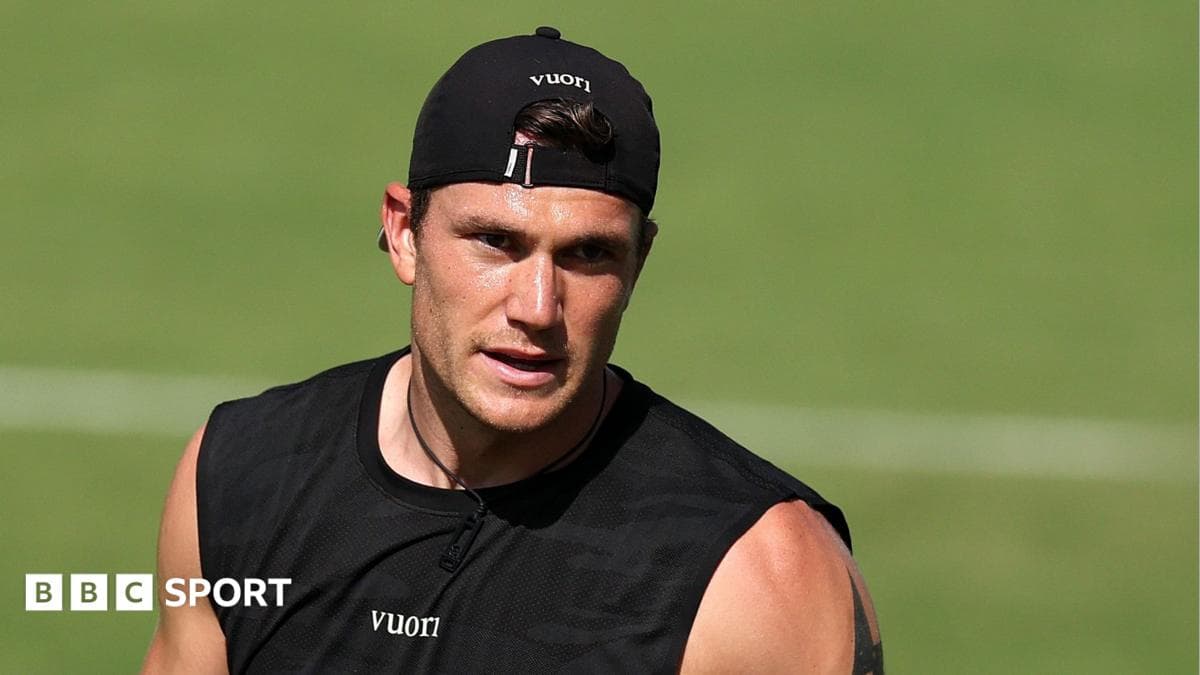
At 2 p.m., No. 28 seed Alexander Blockx faces unseeded Karen Khachanov in a quarterfinal that feels like an opening, a door slightly ajar for both men. Blockx, carrying the number next to his name, plays with the knowledge that a place in the semifinals is suddenly within reach. Khachanov, unseeded but dangerous, knows this territory: he’s built a career on punching above his ranking when the stakes rise.
This is the kind of match that can tilt a career. Win here and you’re not just having a good tournament; you’re a US Open semifinalist. Lose, and the opportunity might not come around again so neatly.
Zverev headlines the night
The day’s final act belongs to the top seed.
At 7:30 p.m., Alexander Zverev walks into the prime-time glare as the No. 1 seed, carrying the expectations that come with that status and the pressure to turn it into something tangible. Across the net: Botic van de Zandschulp, unseeded, unafraid, and with nothing to protect.
Zverev’s path carries a simple truth now—anything short of a deep run will feel like a missed chance. Van de Zandschulp, meanwhile, can swing freely, knowing that every game he takes, every set he stretches, twists the tension a little tighter on the favorite.
One plays to confirm his status. The other plays to tear it down.
What comes next
Thursday’s women’s singles semifinals will grow out of this chaos, with times still to be confirmed. By the end of Wednesday night, though, the draw will be stripped back, the names reduced, the noise sharpened.
Four quarterfinals. Four spots in the last four. By the time the lights go out on Ashe, the 2026 US Open will have a very different shape—and a much clearer idea of who’s ready to own this tournament.