Adam Wharton: The £75m Dilemma for Liverpool's Future
Crystal Palace have named their price. If Liverpool want Adam Wharton, the conversation starts at £75 million and goes north from there.
According to TeamTalk, Palace will not even sit down at the table for less, with Liverpool viewed as one of the prime contenders should the 20-year-old England midfielder move in the next two transfer windows.
It is a huge number. It is also the going rate.
A £75m valuation that tells its own story
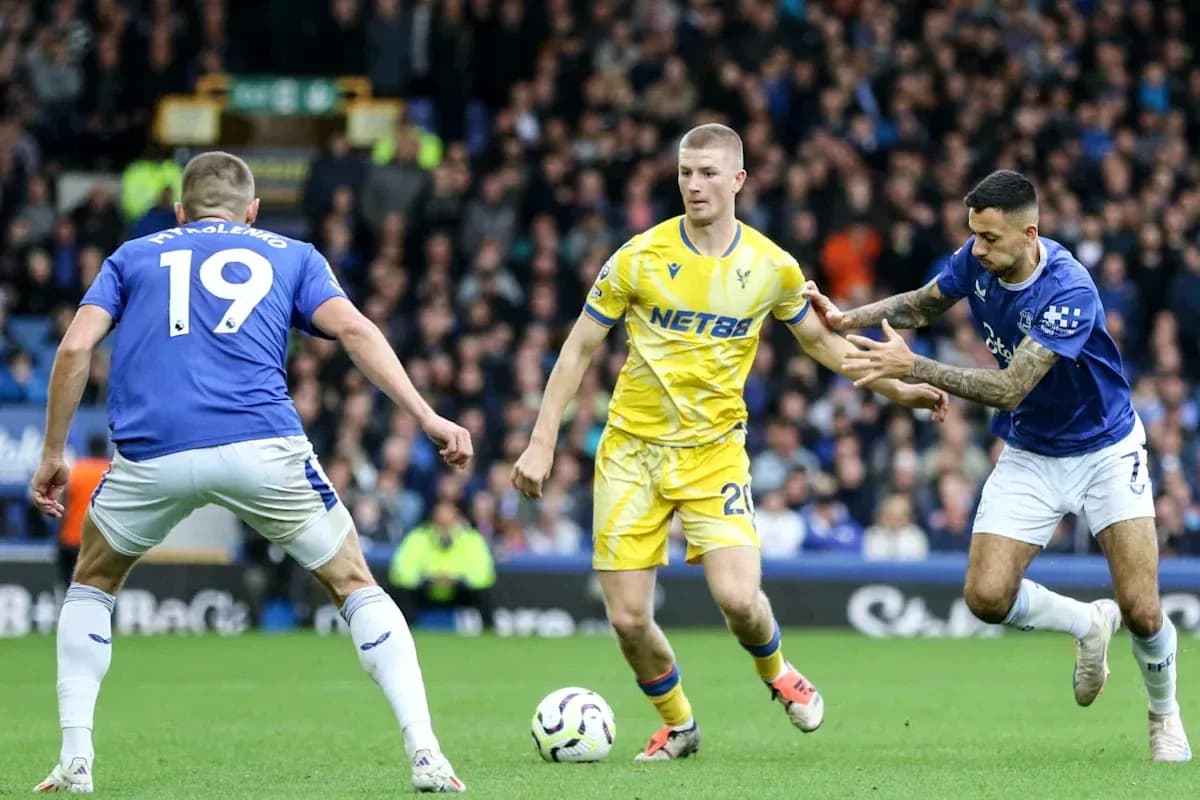
Palace know exactly what they have. Wharton is young, English, homegrown and already one of the most composed midfielders in the division in possession. That combination has become football’s most expensive currency.
TeamTalk’s line is clear: Palace want “£75 million-plus”, a figure that reflects his age, importance to Oliver Glasner’s side and a market where top midfielders routinely command eye-watering sums. Palace are under no pressure to sell and can afford to be stubborn.
The message to Liverpool and everyone else is blunt: if you want to prise away one of the Premier League’s standout young controllers, you will pay a premium.
Reports suggest Wharton is expected to move in one of the next two windows, with January described as a realistic option rather than a distant plan. That places the onus squarely on Liverpool. Admiration is one thing; conviction at that price is another.
Deals of this scale only happen when there is internal agreement on three things: the fee, the role, and the timing. Palace’s valuation sets the rules before Liverpool even make a move.
Why Wharton fits the Anfield puzzle
Strip this story back and it always comes to the same point: Liverpool’s midfield still doesn’t quite feel finished.
Andoni Iraola has inherited a squad rich in options but light in one specific profile. His team needs more control through the centre, especially when games become stretched and transitions start to bite. Too often the double pivot looks like two midfielders sharing a job that really needs a specialist.
Wharton plays like he was built for that role.
His appeal is not about highlight-reel moments. It’s about rhythm. He receives the ball under pressure, sees the next pass early and plays it with conviction. He can punch the ball forward quickly when Liverpool need to accelerate, then take the sting out of a game when chaos threatens to take over.
That blend of composure, passing range and positional intelligence is rare in any midfielder, let alone one with years of development still ahead.
For Liverpool, this is not just about plugging a gap for a season or two. This is about anchoring the side for the next five, six, seven years. Elite recruitment now is as much about tomorrow’s squad as today’s starting XI. Wharton looks like the kind of signing that could satisfy both demands in one move.
January: a window that could shape Liverpool’s spine
The summer may have ticked off other needs, but the midfield debate never truly went away. Every time Liverpool lose control of a game, the conversation returns: where is the specialist controller at the base of midfield?
That is why January already feels loaded. If performances between now and then continue to underline the lack of a natural holding presence, Wharton will not just stay on the shortlist – he will sit near the top of it.
There is a broader backdrop. A new head coach is bedding in. Expectations at Anfield remain unforgivingly high. The squad is still being retooled after an uneven spell. Short-term improvement and long-term planning are running side by side, and that is exactly when the most awkward decisions arrive.
Paying £75 million for Wharton will sound excessive to some. To others inside the game, given his age, nationality, ceiling and suitability for top-level football, it will look like the market norm.
Liverpool are one of the few clubs with both the financial muscle and the competitive need to even consider it. If the internal verdict is that midfield remains the outstanding weakness, the fee becomes a strategic question rather than a moral one.
Homegrown value and the cost of waiting
There is another angle that matters more than many like to admit: homegrown status.
Liverpool need depth, quality and stability. Signing one of the best young English midfielders on the market would tick all three boxes. It would help with registration rules, dressing-room balance and the long-term core of the squad.
The concern for supporters is timing. If the need is obvious now, how much risk comes with waiting?
January is a notoriously awkward window. Palace will be even more reluctant to lose a key player mid-season. Other clubs will hover, ready to move if Liverpool hesitate. The fee will not shrink under that pressure; if anything, the stance at Selhurst Park hardens when the season is in full flow.
For the moment, caution is sensible. There is no sign a deal is close, and the landscape can change quickly before the new year. But the logic behind the link is strong, and that is why the story refuses to die.
Liverpool want control back in their midfield. Palace have a young midfielder who specialises in exactly that. The question is simple, and expensive: how much is that control worth to a club determined to challenge at the very top again?