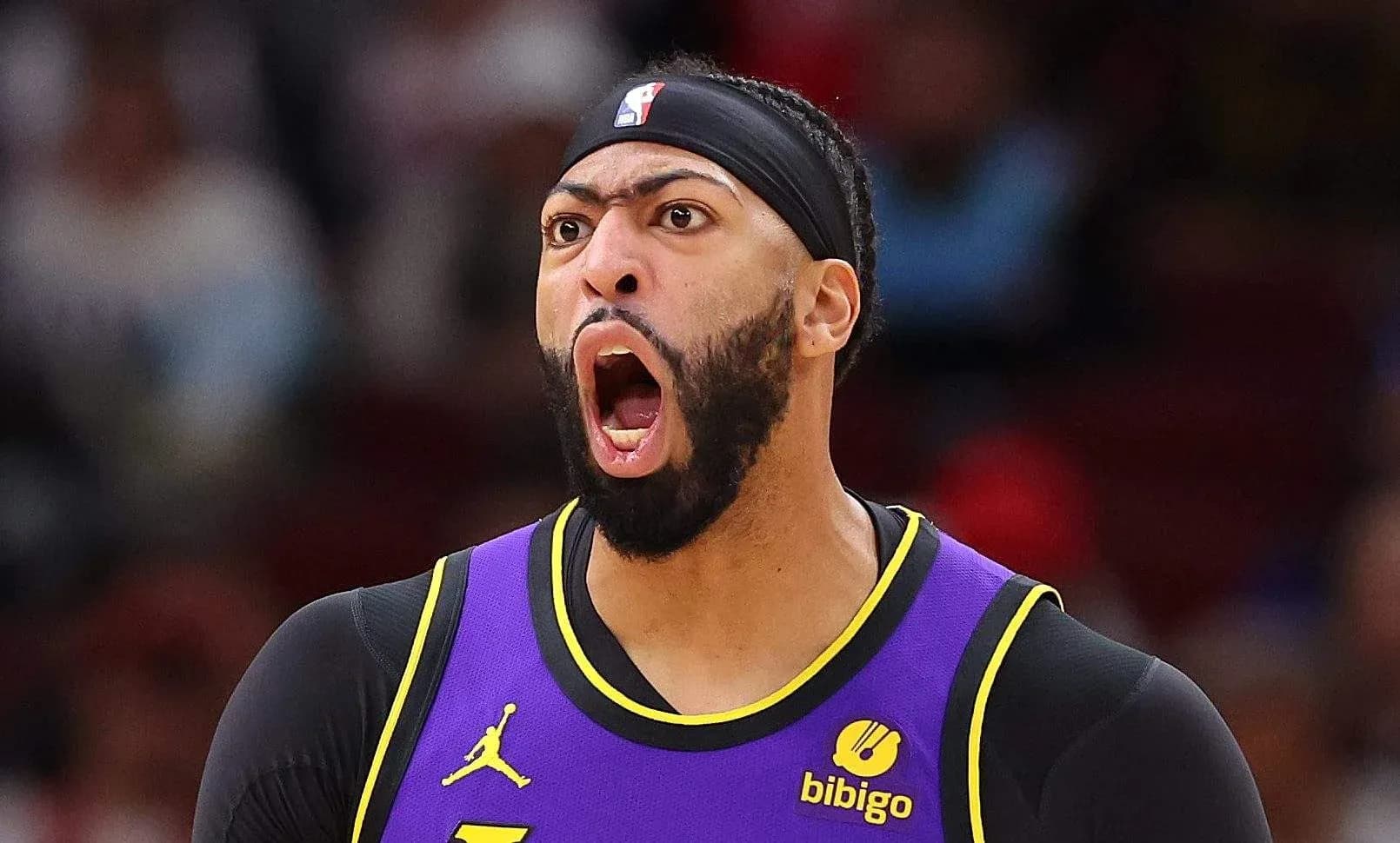
Anthony Davis: From Lakers Star to Wizards Uncertainty
Seven years ago, Anthony Davis was supposed to be the heir.
The script felt written. LeBron James would age out of superstardom, pass the torch, and the Los Angeles Lakers would glide from one generational talent to the next. Davis, then 26, was projected to own the next decade in purple and gold, pile up points and rebounds, and park his name somewhere in the franchise’s all-time top 10.
That future never arrived.
Today, Davis is a Washington Wizard, a long way from the Hollywood throne once imagined for him and even further from the belief that he might go down as one of the five greatest Lakers ever. It has been nearly 19 months since he last mattered in any meaningful way in Laker conversations, and longer still since the fanbase clung to the idea of him as the franchise’s long-term pillar.
Now his NBA life could be on the move again.
A Celtic Twist for a Former Laker?
Davis’ stop in Washington already feels temporary.
The Wizards are rebuilding, stripping down the roster and stockpiling flexibility. Handing a 33-year-old, injury-prone big man a contract creeping toward $300 million does not align with that plan. Davis remains a 10-time All-Star and a defensive terror when right, but Washington’s timeline runs in a different direction.
Boston’s, however, runs straight through the present.
The Celtics, fresh off moving Jaylen Brown in a baffling deal to the rival Philadelphia 76ers, are suddenly lighter on top-end firepower and thin in the frontcourt. Jayson Tatum still anchors the project, but the roster around him looks less inevitable than it did a year ago. The idea of pairing him with a fully engaged, fully healthy Anthony Davis is the kind of temptation contenders talk themselves into.
The hypothetical deal looks like this:
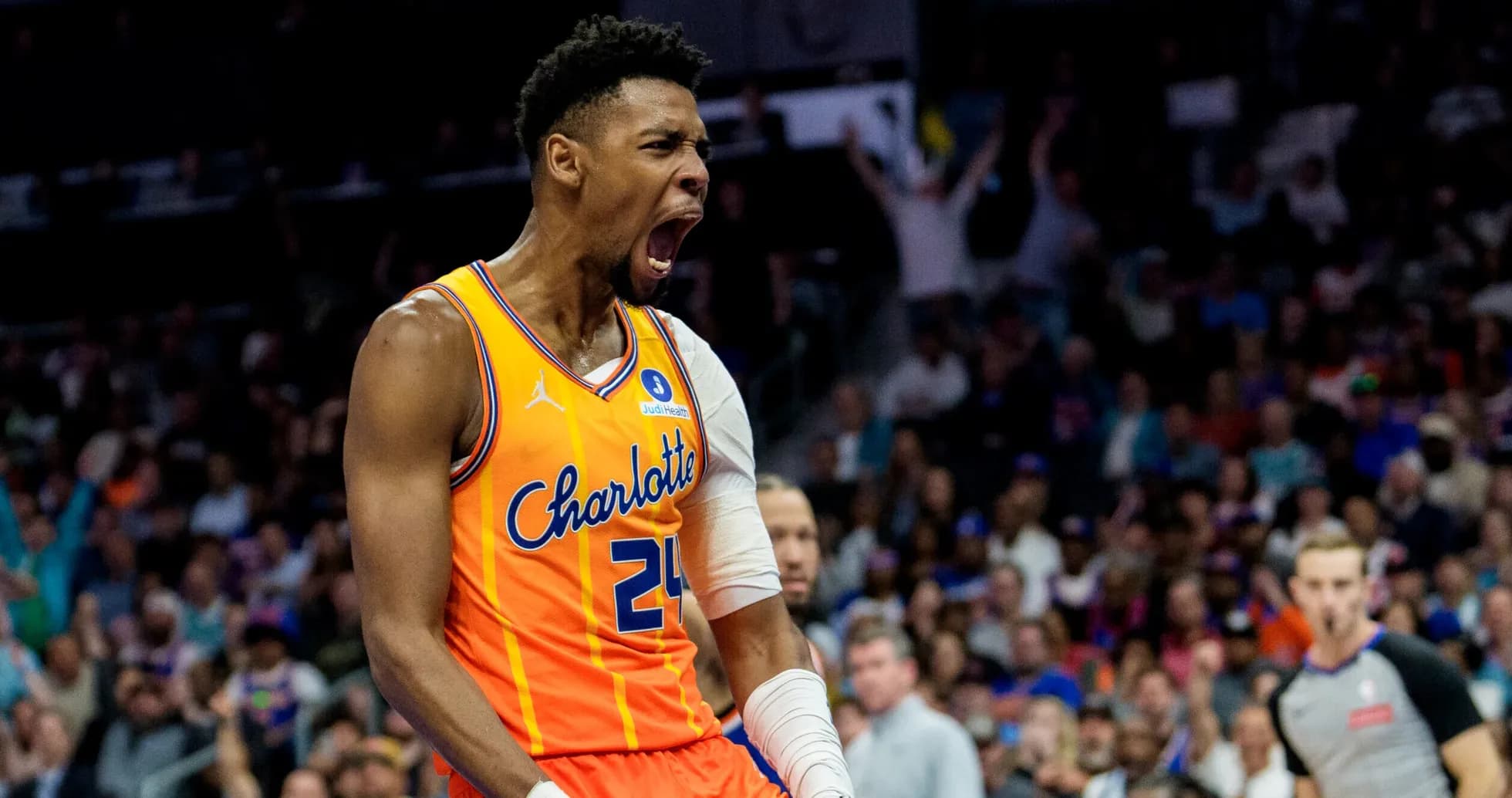
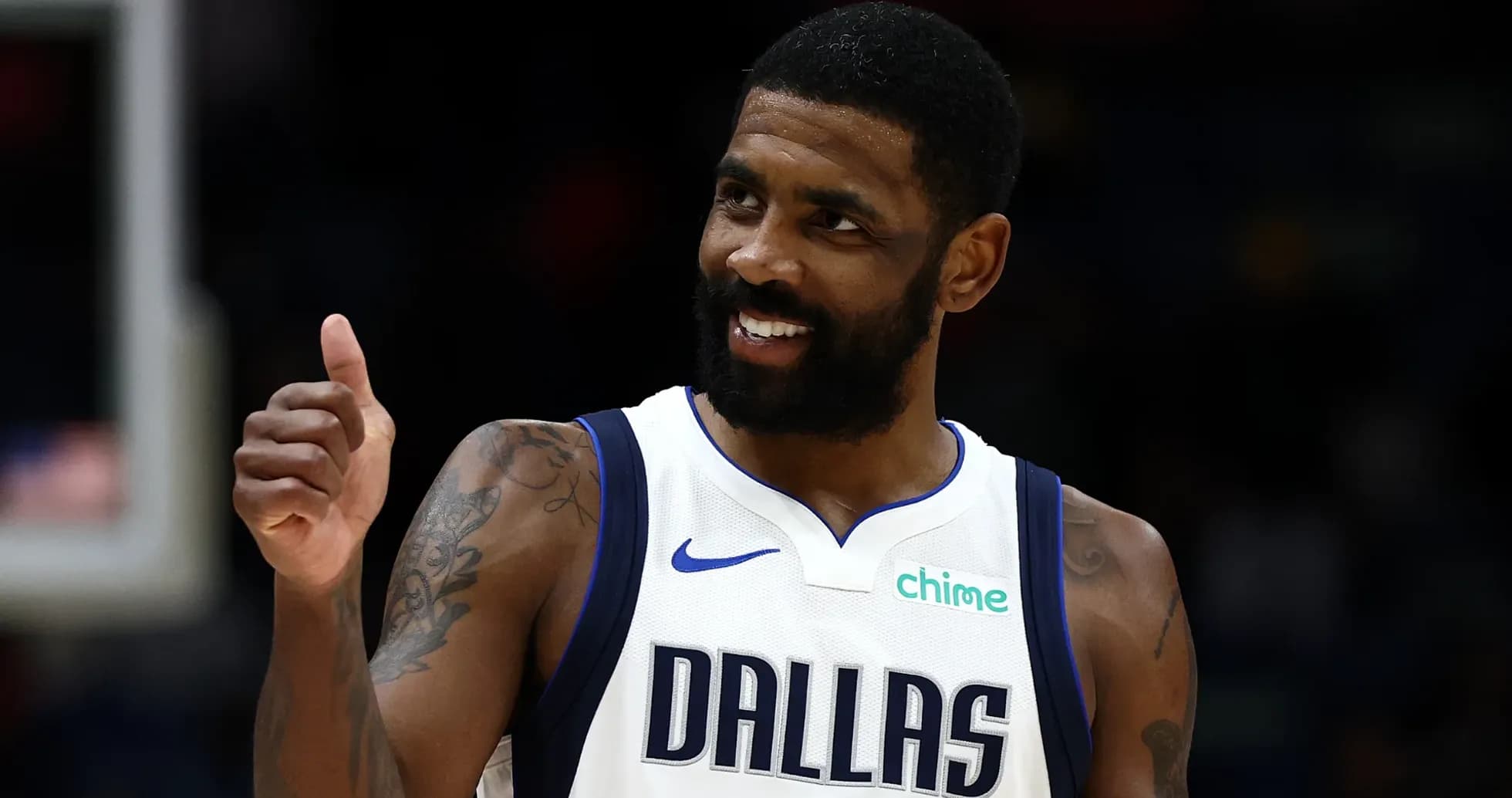
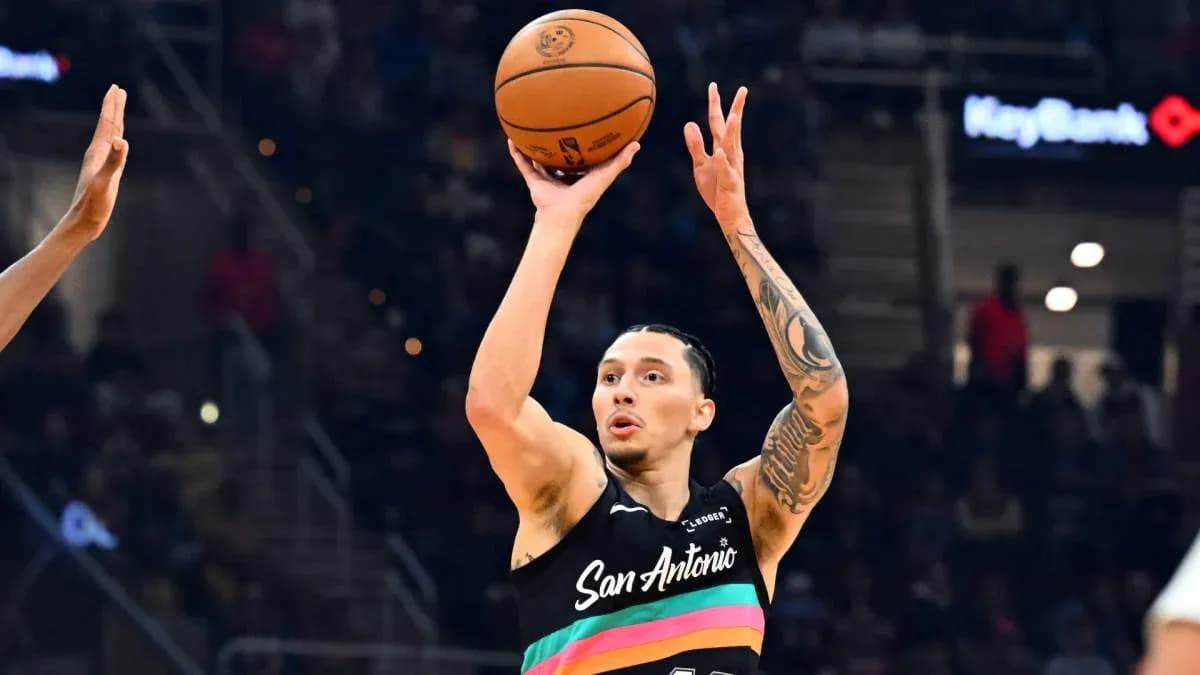
- Wizards receive: Paul George, Jordan Walsh, Baylor Scheierman and a 2030 second-round pick (via CHA)
- Celtics receive: Anthony Davis
For Washington, the logic is cold but clear. Moving Davis now removes the looming risk of a massive long-term commitment to a star whose availability has been a recurring storyline. In return, they get two emerging pieces in Walsh and Scheierman and the short-term star power of Paul George, whose contract would clear significant money off the books in two years.
In that window, the Wizards could peel more than $100 million from their salary commitments, reset their cap sheet, and decide which of their young players deserve to be part of the next competitive version of the franchise. They trade the volatility of Davis’ health for financial clarity and developmental runway.
Boston would be gambling on something else entirely.
Davis is a franchise-changer — when he actually plays. A five-time All-NBA selection and three-time single-season blocks leader, he can still warp a game on both ends of the floor. Slide him next to Tatum, and the Celtics suddenly have a 1-2 punch that can punish smaller lineups inside, switch across positions defensively, and tilt playoff series.
That’s the dream. The risk sits in plain sight.
The Celtics would be banking on Davis to give them at least a couple of mostly healthy seasons, to hold up through the grind and into May and June. If that happens, they’re acquiring one of the league’s top talents at what would likely be considered a relative bargain in star-trade terms. If it doesn’t, they’ve shipped out assets and flexibility for another chapter in the same story that has followed Davis for years.
The Lakers Years: Peak and Plateau
Any discussion of Davis’ future still runs through what he already was in Los Angeles.
When the Lakers finally pulled the trigger and dealt him, plenty of fans winced — until they saw Luka Doncic coming back from Dallas in that stunning February 2025 trade. That twist softened the blow. It didn’t erase what Davis had delivered.
Across 5½ seasons in Los Angeles, Davis averaged 24.8 points, 11 rebounds, 3.2 assists and 2.2 blocks per game. He made four All-Star teams as a Laker, earned two All-NBA selections, and twice landed on the All-Defensive First Team. On his best nights, he looked every bit like the player the franchise once believed would carry them into the post-LeBron era.
And then there’s the banner.
Davis was a driving force in the Lakers’ 2020 championship run, anchoring the defense, stretching the floor, and forming a devastating inside-outside partnership with James. In that bubble run, he justified every draft pick and prospect the Lakers had sent out to get him. For a brief stretch, he was the most complete two-way big man in the sport.
You can argue about what came after — the injuries, the inconsistency, the sense that the window with him as a true No. 1 option had quietly closed. What’s harder to dispute is that the Lakers squeezed the best version of Anthony Davis out of his prime. They got the apex. The nightmare matchup. The player every team dreaded seeing in a seven-game series.
Now, as the Wizards weigh their direction and the Celtics stare at a roster gap next to Tatum, the league circles back to the same question that has followed Davis for years:
Is there one more peak run left in him, or has that version of Anthony Davis already come and gone?