Anthony Joshua vs Tyson Fury: The British Heavyweight Showdown
Robert McCracken has spent a lifetime in boxing gyms, watching careers rise, fall and harden. So when Anthony Joshua’s former trainer says the biggest fight in British heavyweight history is “not anybody else’s business”, he knows exactly what he’s pushing back against.
The noise. The deadlines. The daily drip of “updates” on a fight that still doesn’t have a date.
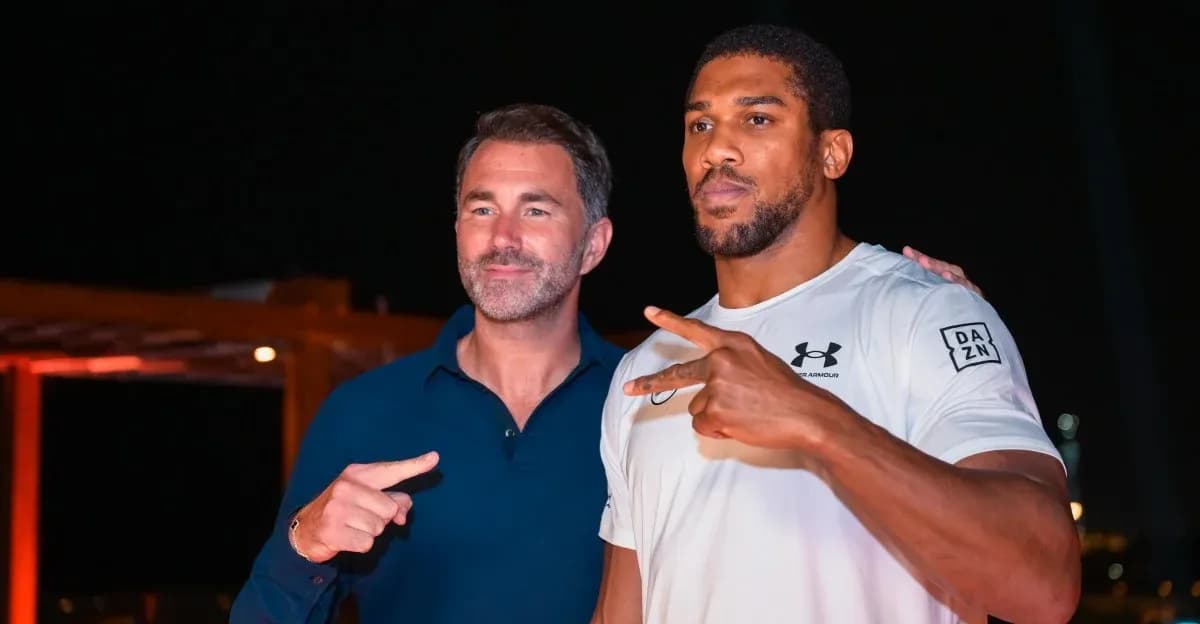
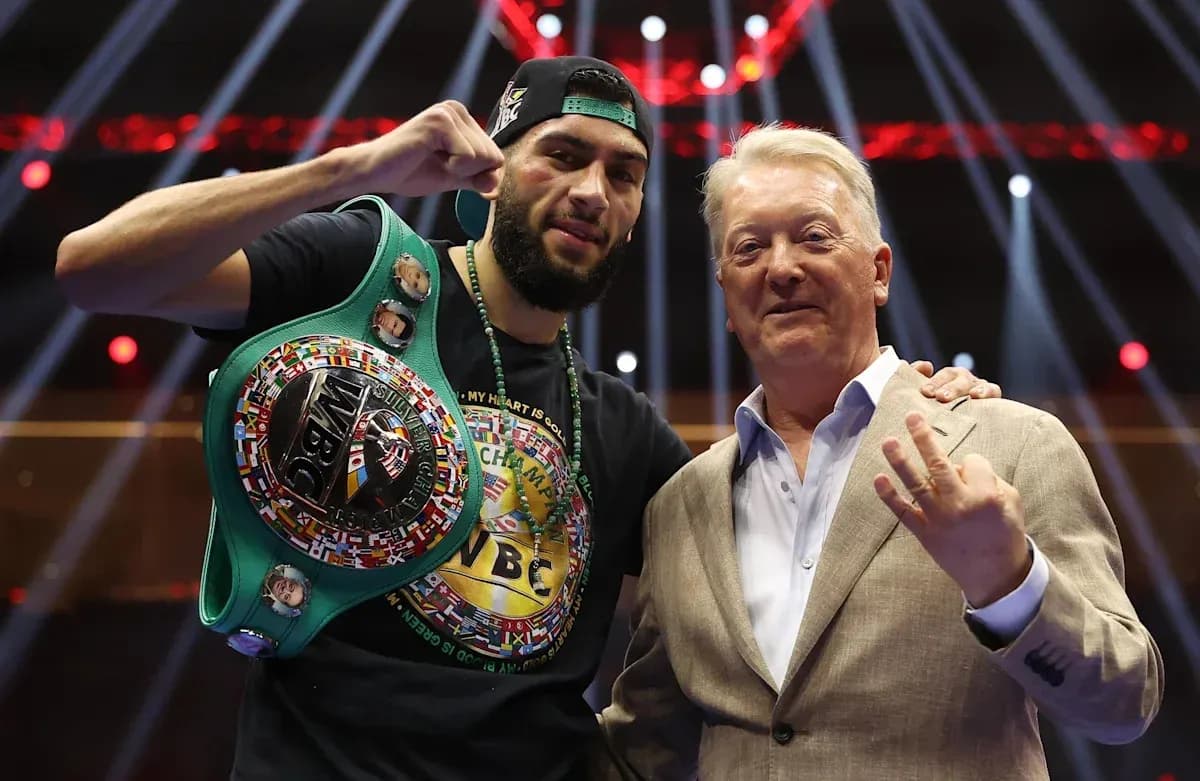
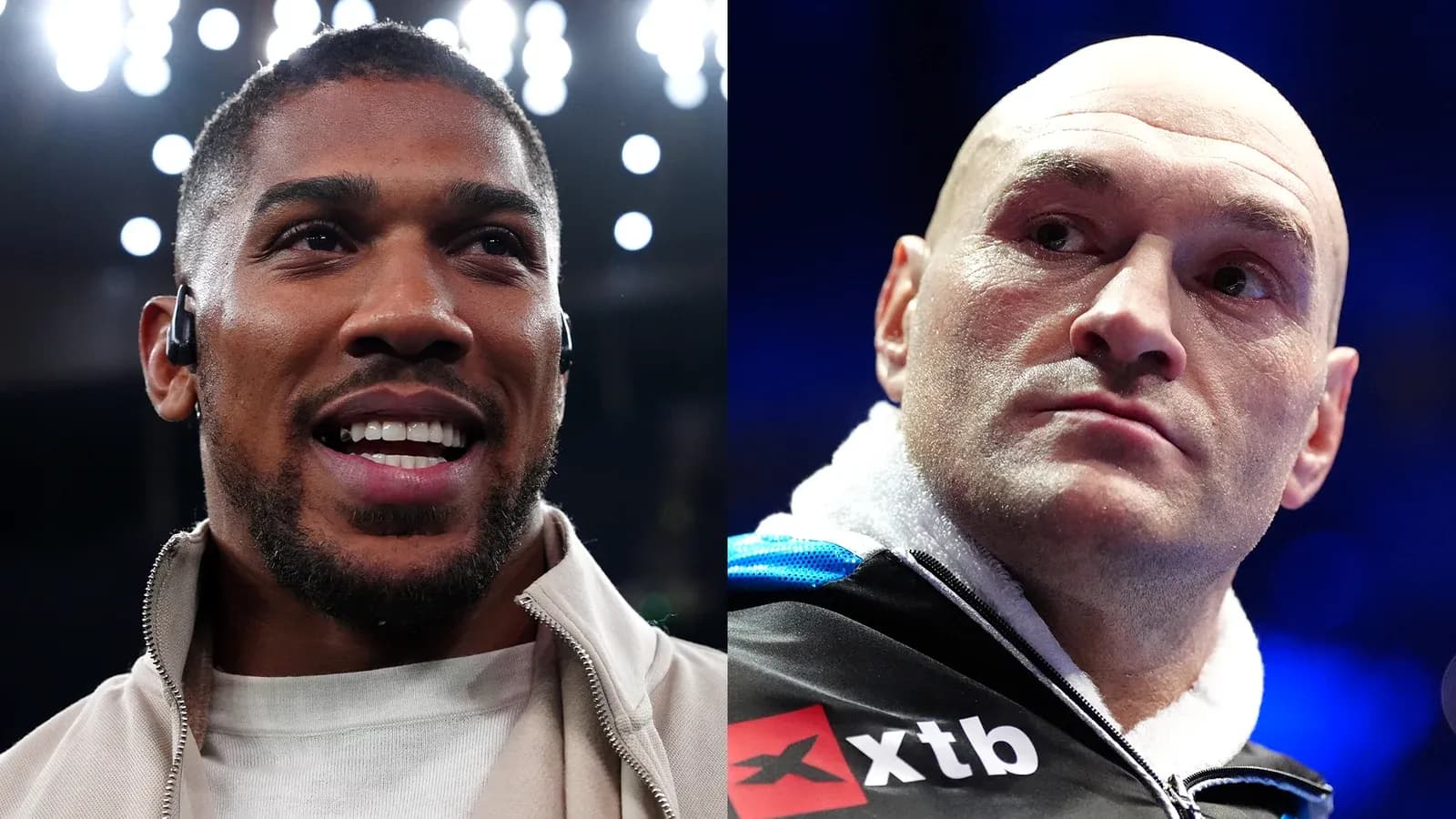
Promoter Frank Warren says terms are agreed for a Tyson Fury vs Anthony Joshua showdown and they are “waiting for AJ”. Eddie Hearn counters that talks have reopened to stage it at Wembley Stadium. The public tug of war plays out in front of cameras and on social media, with every word dissected.
McCracken wants no part of that circus.
“I had a career as a fighter and you look back at what you maybe wished you should have done and what you shouldn’t have done,” he told Sky Sports. “I think it works out how it should work out most of the time, but it’s up to the fighters if they want to fight each other and try and get the better of each other.
“I don’t think it’s anybody else’s business whether they should fight or not – I think they both proved themselves.”
That line cuts through the spin. Fury, the WBC champion and self-styled “Gypsy King”, has already gone public with his impatience, branding Joshua a “coward” in a social media blast as negotiations dragged. The insults travel fast; the contracts move slowly.
McCracken, who guided Joshua from Olympic hopeful to unified world heavyweight champion, paints a very different picture of the man in the middle of it all.
“With Anthony Joshua, in my experiences, he was happy to fight anybody,” he said. “It was just about how it was packaged and what was best for him – that’s how the fighters look at things these days.
“I’ve not been involved for a long time with Joshua, but it looks like it’s going to happen. Hopefully it will and then obviously everyone can enjoy it.”
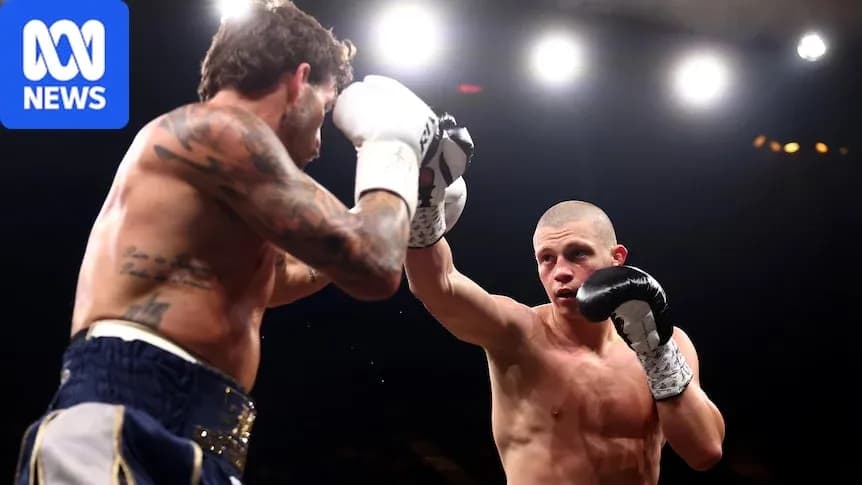
The contrast between the two men’s recent form only adds more intrigue. Fury brushed aside Mariusz Wach in a one-sided stoppage, barely breaking stride. Joshua’s summer was far more turbulent. He hit the canvas twice against Kristian Prenga before finding the finish and rescuing the night.
It was a reminder that heavyweights live on a knife-edge.
McCracken, though, sees fuel rather than fragility in Joshua’s scrape.
“Joshua is coming off the back of not a great performance, but obviously he got the knockout and that is all that really matters,” he said. “He’ll be looking to prove people wrong, any of the doubters.
“Tyson would be the favourite at the moment with his recent results and his form. It’s quite fascinating if you actually think about it, where it’s got to and the time it’s taken to actually get the fight on.”
The fascination lies in the timing as much as the talent. Both men are established, both have held versions of the world title, both have scars. The fight, if it lands at Wembley as hoped, would be the culmination of a decade of parallel careers and missed opportunities. Every delay only deepens the sense that this is the one that has to happen before the era slips away.
For McCracken, though, boxing’s meaning stretches well beyond pay-per-view blockbusters and stadium nights. He was speaking ahead of “A Night of Solidarity” on November 13, an Olympic-style evening of boxing designed to showcase the sport’s power to unite and to raise funds for firefighters’ charities, youth sport organisations and community groups in North Kensington.
The event was born from tragedy. After the Grenfell Tower fire, local boxing and sports clubs stepped in when the community needed them most, offering safe spaces, structure and somewhere to breathe for young people and families trying to rebuild their lives.
The London Fire Brigade Boxing Club has been at the heart of that work, using the gym as a bridge between rank-and-file firefighters and local youngsters across the capital. Gloves on, barriers down. Respect earned the hard way, round by round.
“A Night of Solidarity” brings those threads together. The evening will feature 12 bouts, with an LFB Select team facing a North Kensington side made up of men, women and youth boxers from clubs in the local area and across London. The money raised will support local sports charities and the Firefighters’ Charity, but the symbolism runs deeper than any cheque.
On one side of the sport, promoters haggle over rematch clauses and ring walks for Fury vs Joshua. On the other, in a London hall on a November night, fighters will climb through the ropes for something simpler: pride, community, and the belief that boxing can still be a force for good.
Somewhere between those two worlds, the biggest British heavyweight fight of this generation hangs in the balance.