Canelo Álvarez Reclaims WBC Title in Riyadh
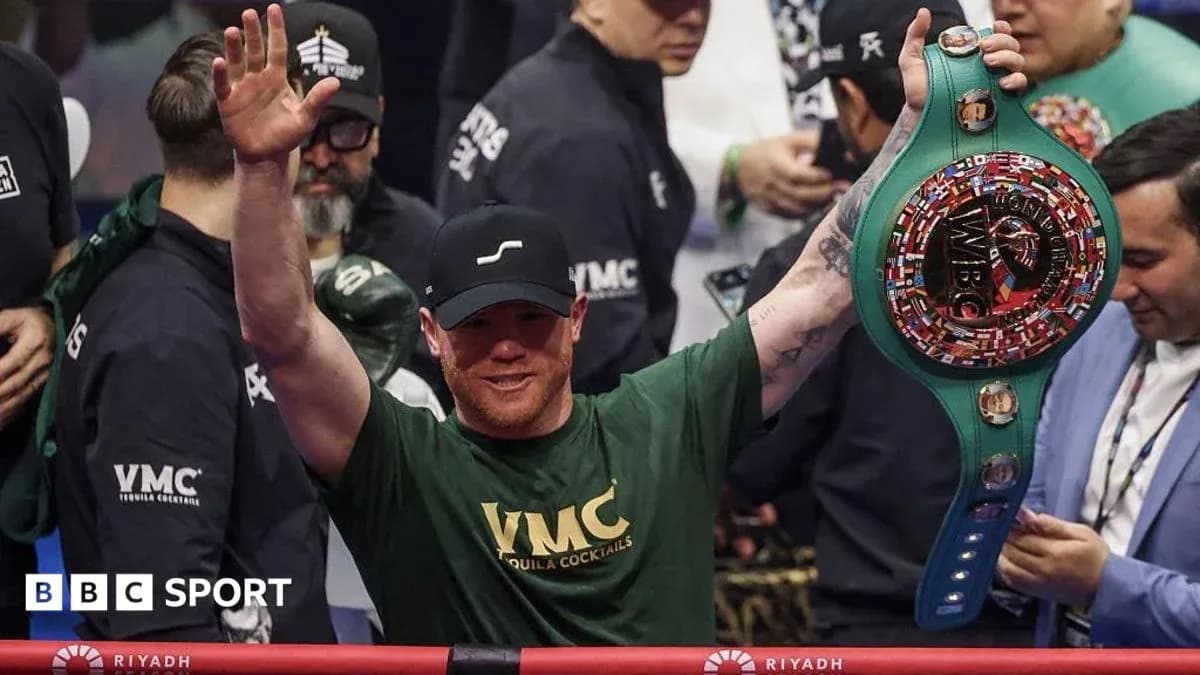
Saúl “Canelo” Álvarez walked back into the fire and left with his belt.
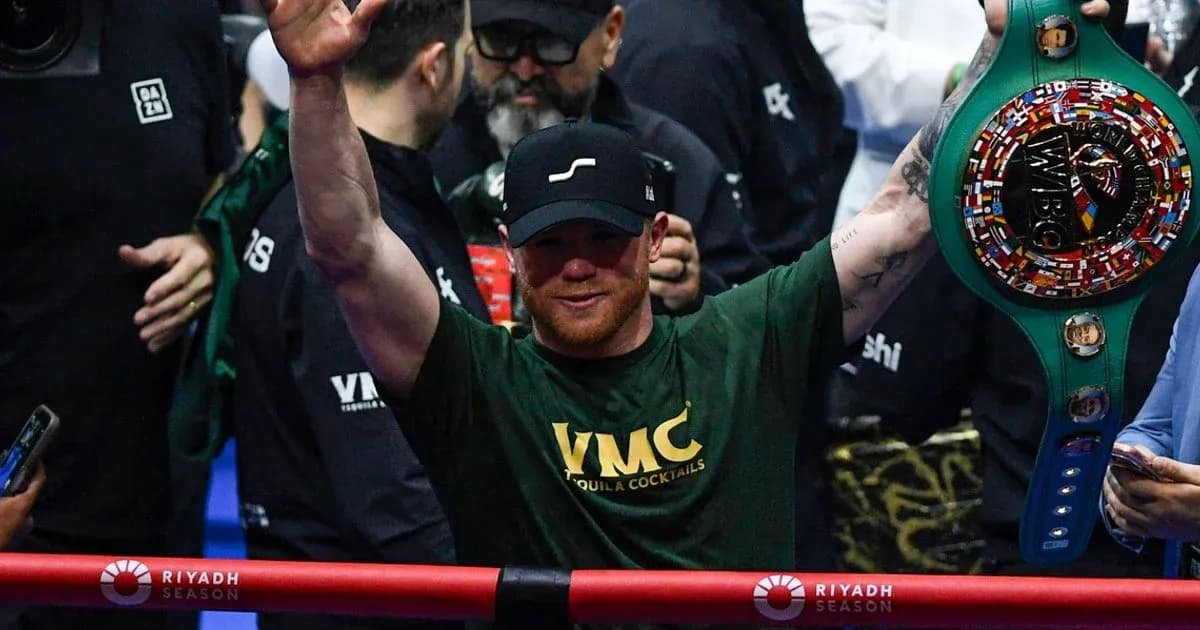
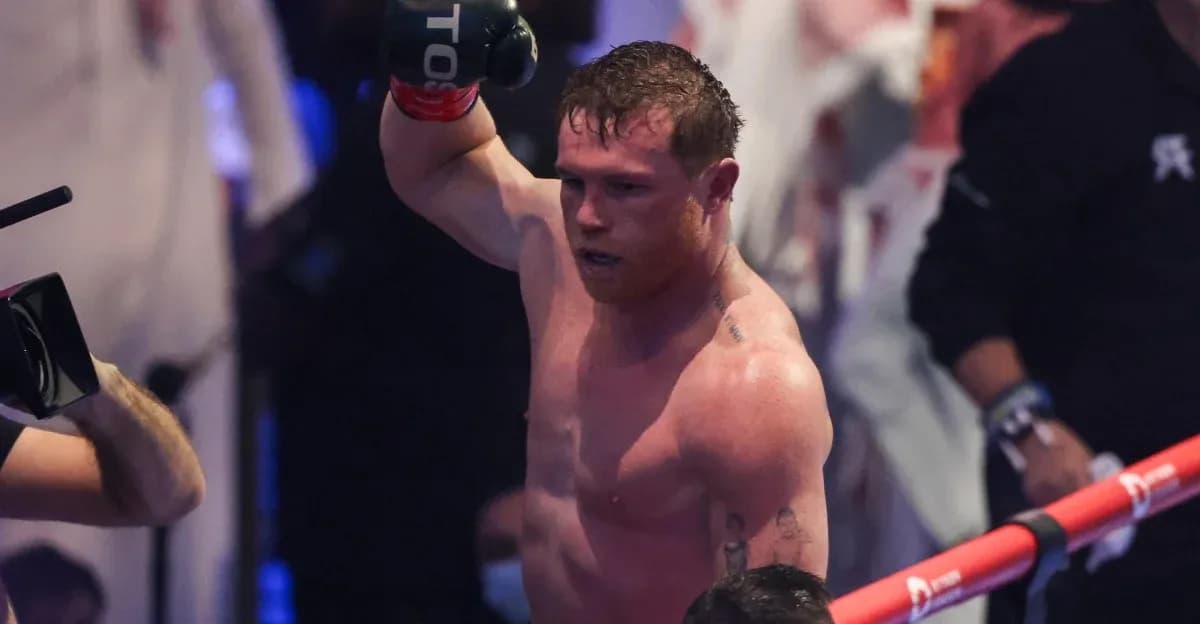
In a city on edge, under a sky that has seen missiles in recent weeks, the Mexican star reclaimed the WBC super-middleweight title on Saturday night with a unanimous decision over the previously unbeaten Christian Mbilli at Kingdom Arena in Riyadh.
A Champion Back in the Old Clothes
Thirty-six years old. More than a year out of the ring. Coming off the third defeat of his professional career and the loss of his undisputed crown to Terence Crawford last September. This was not the invincible Canelo of old, but it was a version with something to prove.
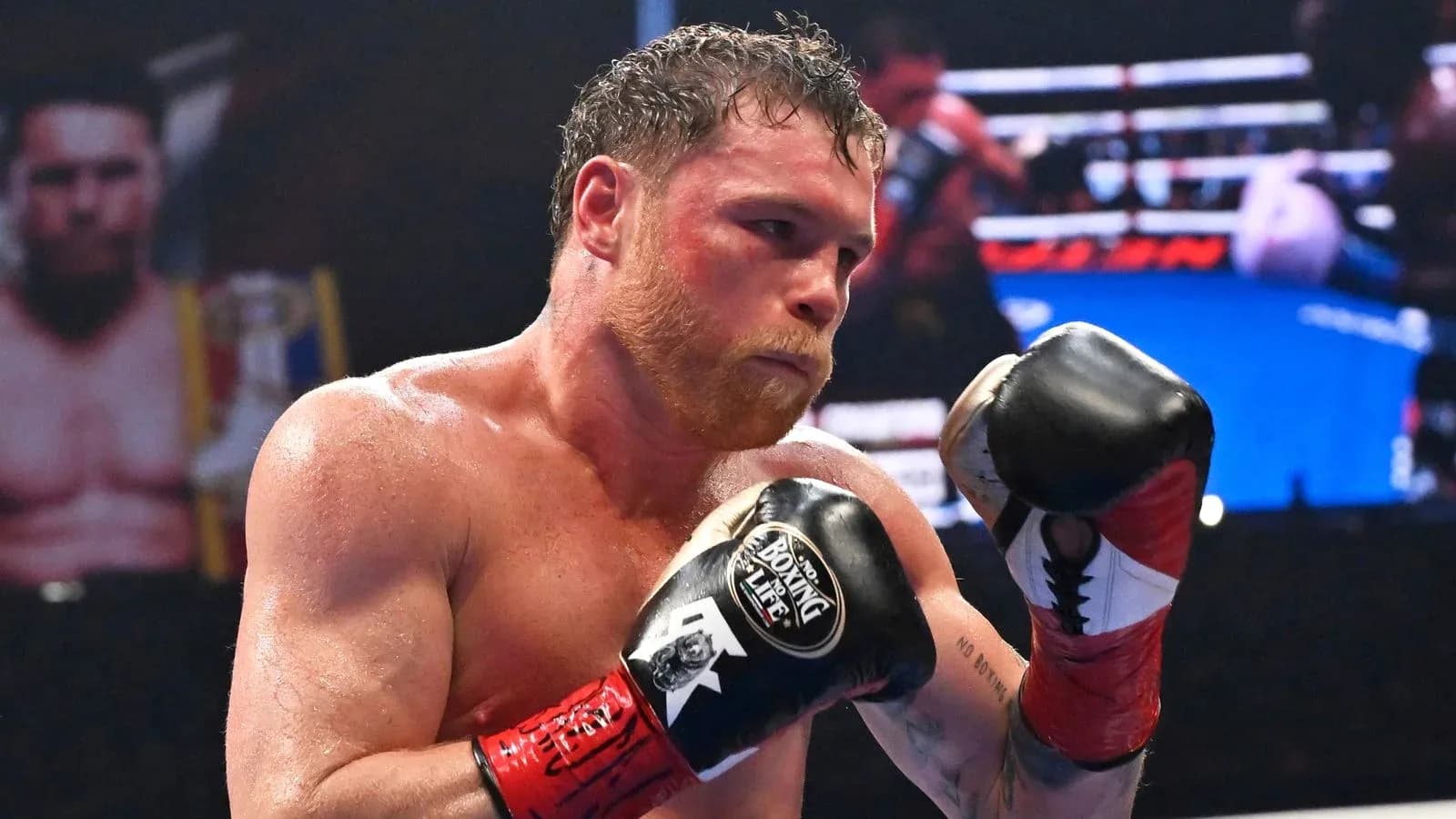
He proved it the way he always has: timing, craft and a body attack that grinds the bravest opponents down.
Mbilli arrived as the official WBC champion, a relentless, front-foot fighter with 29 wins and one draw, promoted from interim status after Crawford exited the division. He came to Riyadh to swarm Canelo, to drown him in punches, to test whether the old master still had the reflexes to live with a younger man’s tempo.
He found out the hard way.
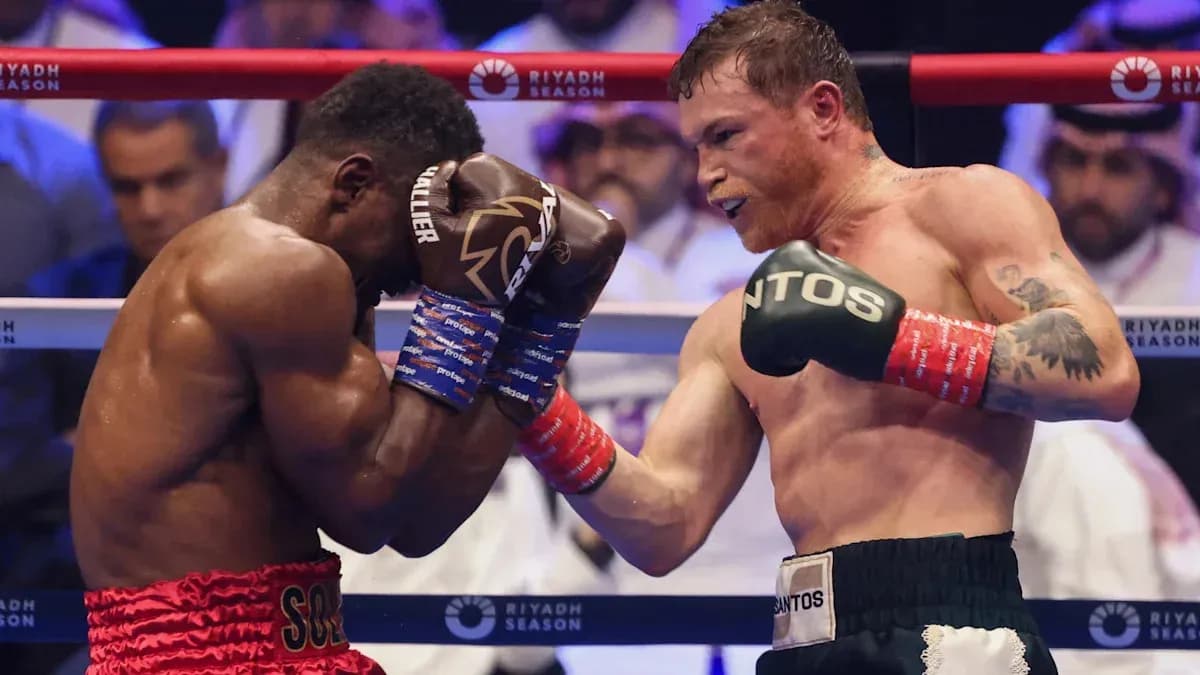
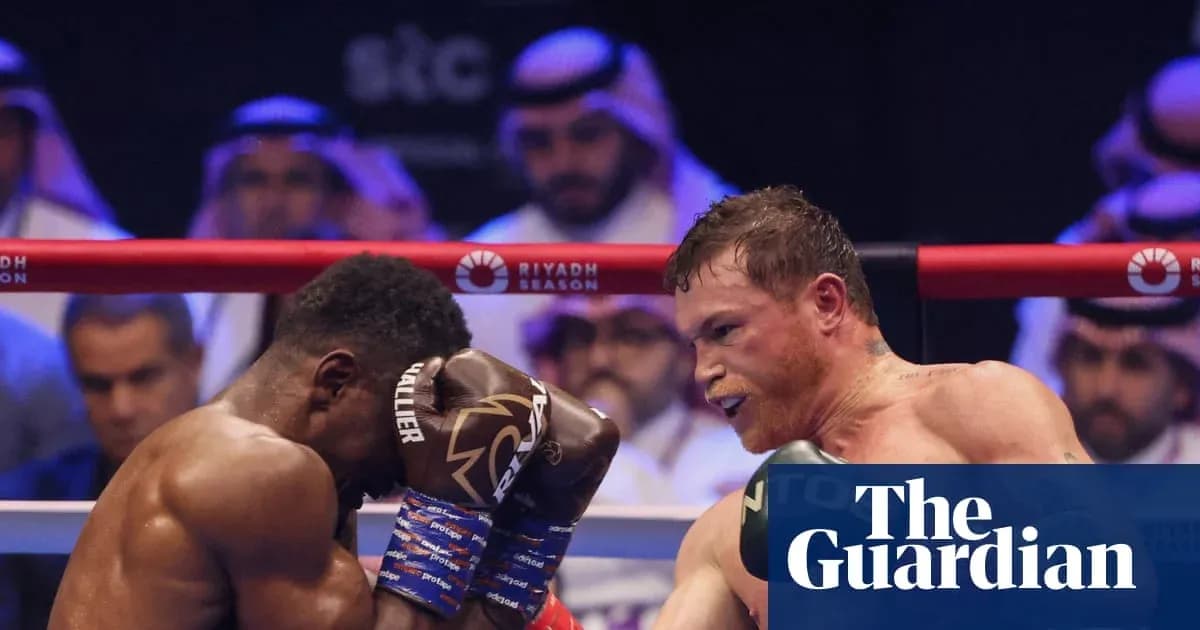
Álvarez read him early, settled into his stance and began to pick him off. When Mbilli poured forward, Canelo met him with counters that snapped the head back or thudded into the ribs. The Mexican did not waste much. He did not need to.
The judges saw it clearly: 115-112, 116-111 and 117-110. On another card at ringside, it was 117-110 as well.
The Seventh-Round Warning
The fight never turned into the all-out war some expected. Mbilli pressed, he hustled, he threw more. But the cleaner, more decisive moments belonged to Álvarez, and nowhere was that more obvious than in the seventh round.
Up to that point, Mbilli’s volume had kept him competitive. Then Canelo found the shot he had been threatening: a sharp uppercut that ripped through the Frenchman’s guard and staggered him. For a moment, Mbilli’s legs betrayed him, his aggression punished by the precision in front of him.
He survived, but the message was brutal and simple. Canelo still carries danger in every counter.
From there, Mbilli never stopped trying. He kept marching forward, kept punching, kept looking for a way to drag the fight into chaos. Álvarez refused to be dragged. He stayed compact, economical, and methodical, banking rounds with the quiet assurance of a man who has done this at the highest level for 21 years.
A Title Lost, a Title Reclaimed
This win carries more than a belt. Last year’s unanimous-decision defeat to Crawford cost Álvarez his undisputed status at 168lbs, stripping him of the division’s four major titles and inviting questions about whether his long reign at the top was finally eroding.
On Saturday, he answered at least some of them.
“It’s something unbelievable. It feels like my first title,” he said in English afterward, the emotion obvious. “Now, after 21 years as a professional, 16 years ago I won my first title. Now I won that title again. I’m so proud of my team.
“I love boxing. That’s why I’m here, because I still love boxing and I enjoy it a lot.”
The record now reads 64 wins, three defeats and two draws. The résumé has another line: dethroning an unbeaten champion, handing Mbilli the first loss of his professional career and re-establishing himself among the sport’s elite at super-middleweight.
A Fight in a City Under Threat
All of it played out against a backdrop that would have ended many events before they began.
Three weeks before the opening bell, a missile strike on King Khalid International Airport in Riyadh killed at least 12 people and injured more than 300. A second projectile hit a passenger terminal the next day, according to the Saudi-led military coalition. International airlines suspended flights. Security alerts spiked. The city braced.
In the days leading up to the fight, Saudi officials said they had intercepted further missiles and drones launched by Iran-aligned Houthi forces. High-profile events across the kingdom were cancelled or postponed, including the Six Kings Slam tennis exhibition.
This one stayed on the calendar.
Turki al-Sheikh, the chairman of Saudi Arabia’s General Entertainment Authority and the driving force behind the country’s rise as a powerhouse in professional boxing, revealed earlier this month that Álvarez had personally promised to go through with the bout regardless of the tension.
“Canelo reached out and told me he’ll still fight in Riyadh this October, no matter what happens,” Al-Sheikh wrote on social media. “He fears nothing.”
Saudi Arabia’s push to become a global hub for major sporting events has been relentless, backed by vast financial resources and met with equally persistent criticism over human rights issues and accusations of sportswashing. Nights like this, in a city living with the reality of missile strikes, show both the scale of the kingdom’s ambition and the risks that now come with staging such shows.
Álvarez nodded toward those “circumstances” only briefly. During his post-fight remarks, he thanked family members who, unusually, were not at ringside.
“I also want to thank my family, who are watching me from afar today for the first time,” he said in Spanish. “My siblings, my parents, my daughters, my son, and my wife – who also couldn’t make it due to certain circumstances.”
He did not elaborate, and he did not need to. Everyone in the arena understood the context.
Mbilli’s First Scar
For Mbilli, 31 and Cameroon-born, this was a harsh lesson at the very top level.
He came in on the back of a long unbeaten run, officially 29 wins and one draw, that solitary blemish a split draw against Lester Martínez on the undercard of Álvarez–Crawford. Elevated to full WBC champion after Crawford’s departure, he arrived in Riyadh as a man who had never tasted defeat and had rarely been outworked.
He leaves with his first loss and a clear picture of the gap that still exists between being a champion and being a star of Canelo’s magnitude.
Yet he never folded. He kept coming, kept trying to force exchanges, kept believing he could break through the veteran’s guard. Many have failed in similar fashion. Few have done it without losing heart.
The belt is gone, but the experience, and the scar, will shape whatever comes next.
Canelo, Still Here
So Canelo walks away from Riyadh once more a world champion, in a place that has become a second home for modern boxing’s biggest nights and a stage for Saudi Arabia’s broader sporting project.
He did it not with a spectacular knockout or a reinvention of his style, but with the familiar tools that built his legend: counter-punching, body work, ring intelligence, and a stubborn refusal to yield.
At 36, with miles on the clock and young contenders circling, the question now is not whether he can still win at this level. He just did. The question is how long he intends to keep doing it.