Canelo Alvarez Reclaims WBC Crown in Riyadh
In a city braced for missiles and uncertainty, Saul “Canelo” Alvarez walked into the ring with a different kind of pressure on his shoulders. No belts. No guarantees. Just questions.
Ninety-odd thousand lights glared down in Riyadh as the Mexican stepped through the ropes for his 69th professional fight, a 36-year-old former king trying to prove the throne still fits. Across from him, Christian Mbilli – younger, unbeaten, the newly elevated WBC super-middleweight champion – bounced on his toes, intent on turning a legend into a stepping stone.
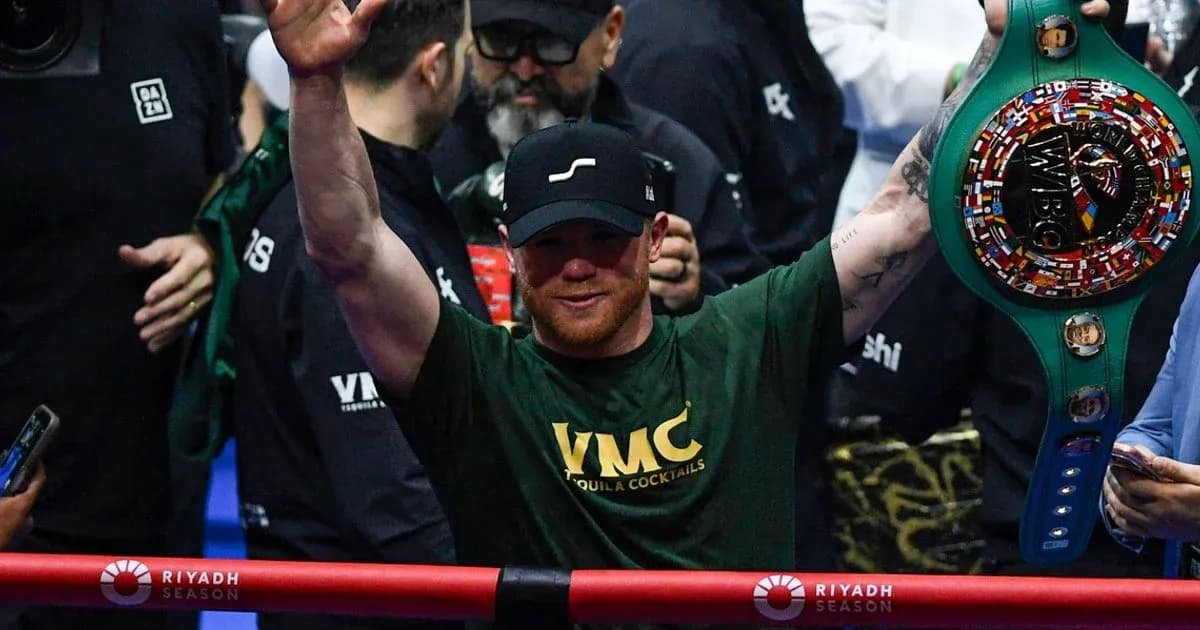
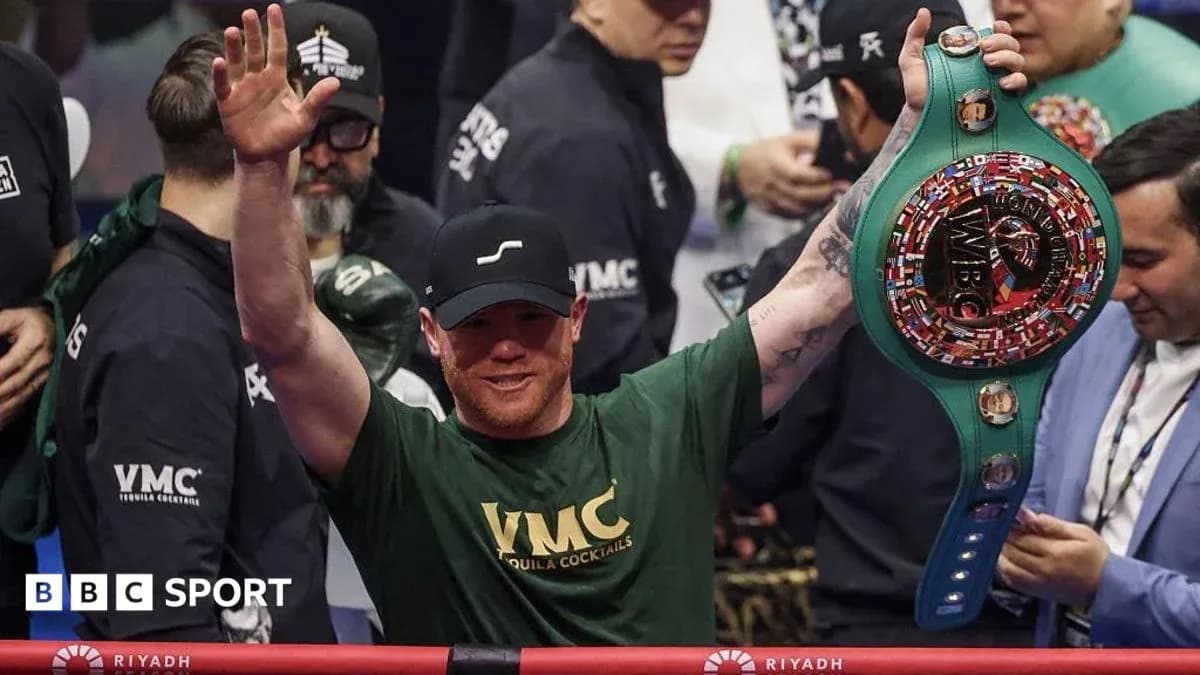
By the final bell, there was no doubt. Canelo was champion again.
The judges scored it 115–112, 116–111, 117–110, all for Alvarez, who reclaimed the WBC super-middleweight title with a performance that felt ripped from his prime years: slick defence, cold-blooded counters, and an unshakeable sense that he remained in control when it mattered most.
A career of titles, a night that felt like the first
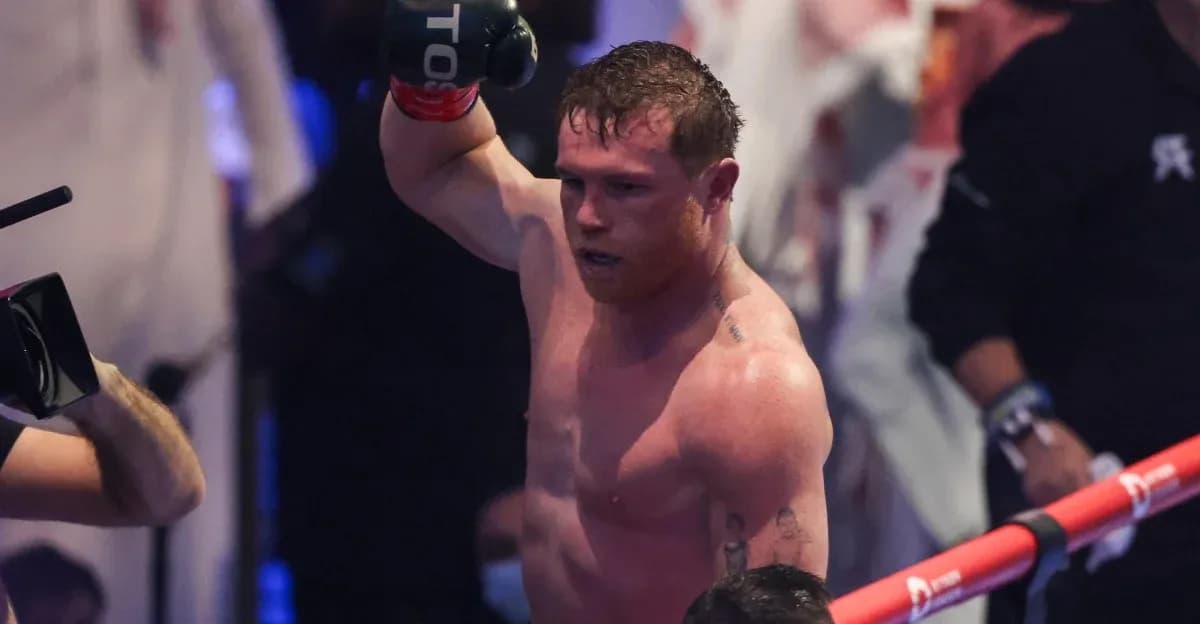
When the verdict came, Alvarez lifted his arms, not with the wild abandon of a first-time champion, but with the knowing satisfaction of a man who has rebuilt his empire before. Still, when he spoke, the emotion cut through.
"It's so difficult to explain," he said in the ring. "It's something unbelievable, this feeling. Like my first title. Thirty-one years as a professional. Sixteen years ago, I won my first title. Now, I won the title again. I'm so proud."
This was win number 64 for the four-weight world champion, a number that barely captures the miles on his body or the expectations that follow his name. For Mbilli, 31 and Cameroon-born but based in Canada, it was a harsher milestone: the first defeat of his 31-fight career, on the night he tried to prove he truly belonged among the elite.
A fight under a shadow
The bout went ahead against a backdrop that would have forced many sports to turn away. In the days leading up to the fight, the conflict between Saudi Arabia and Yemen’s Houthi movement cast a long shadow over Riyadh.
Just 48 hours before Alvarez and Mbilli weighed in, Saudi Press Agency reported that Civil Defence had intercepted two ballistic missiles over the capital. Earlier in October, a missile strike on King Khalid International Airport killed 13 people and injured more than 300.
Other events blinked first. The Six Kings Slam tennis exhibition, the final round of the 2026 World Rally Championship, the 2026 Urban Cycling World Championships – all cancelled. Combat sports stayed put. The ring, once again, became the stage that refused to move.
Canelo, for the first time since 2015, walked in without a world title to his name. He also walked in with doubts swirling after his loss to Terance Crawford and more than a year away from competition. Was this the night the decline became undeniable?
Mbilli’s early storm
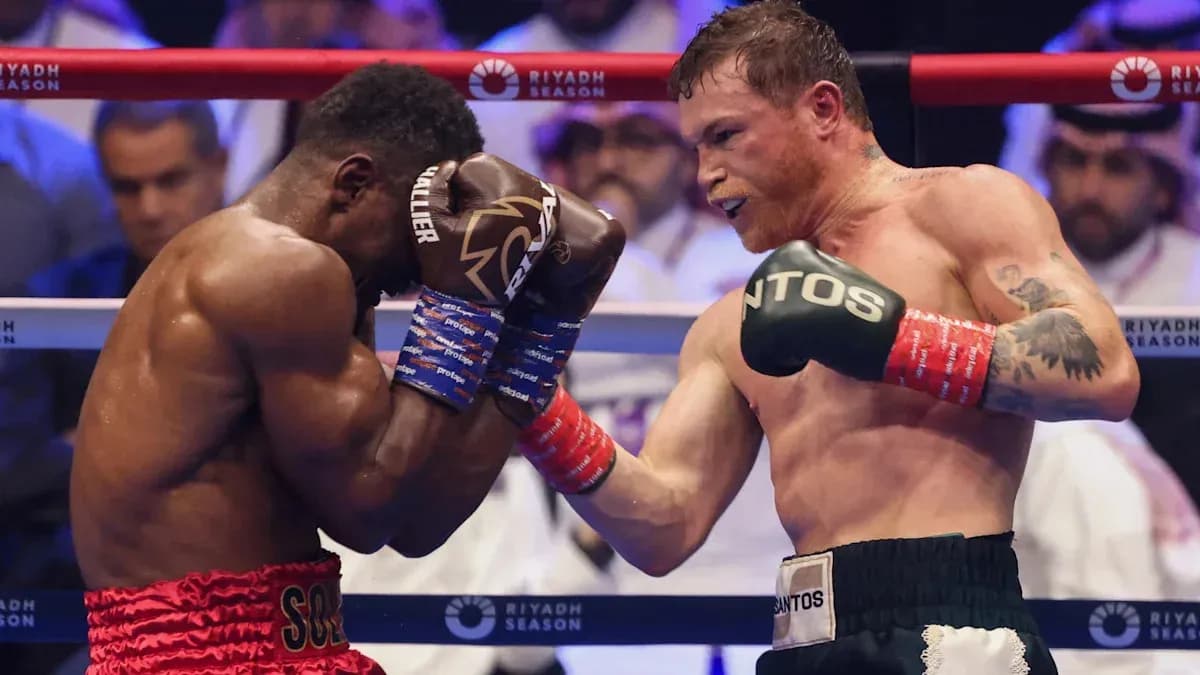
If Mbilli felt the occasion, he hid it well. From the opening bell he pressed forward, head tucked, gloves busy. He drove Alvarez to the ropes, ripped punches to head and body, and tried to turn the fight into a grind.
The champion on paper, he fought like a challenger.
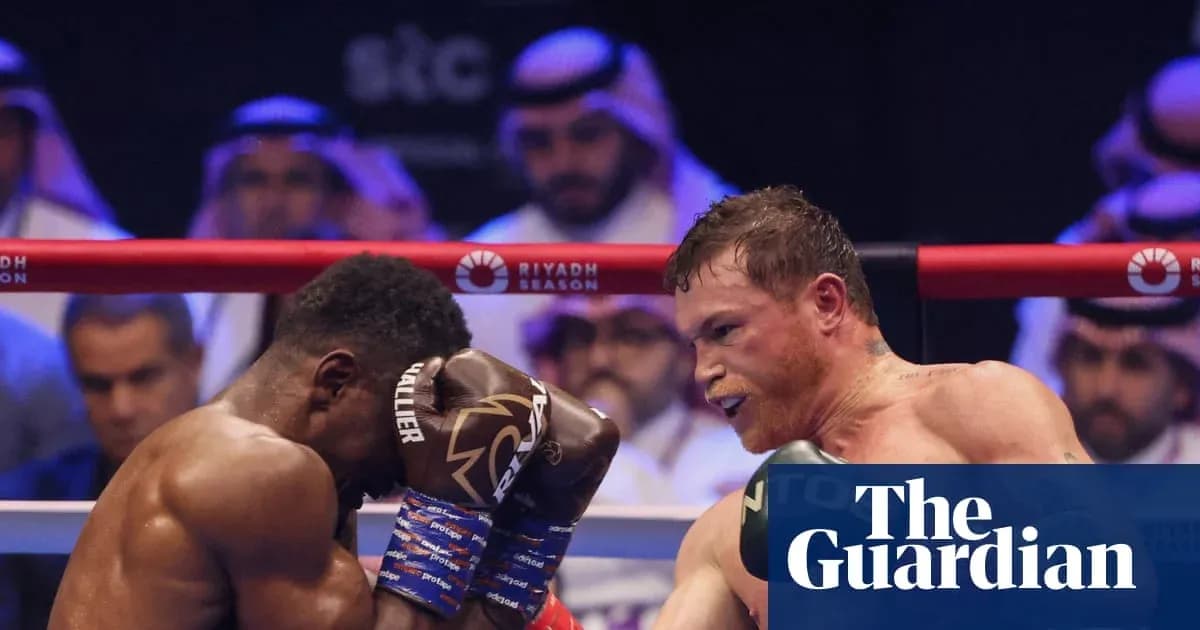
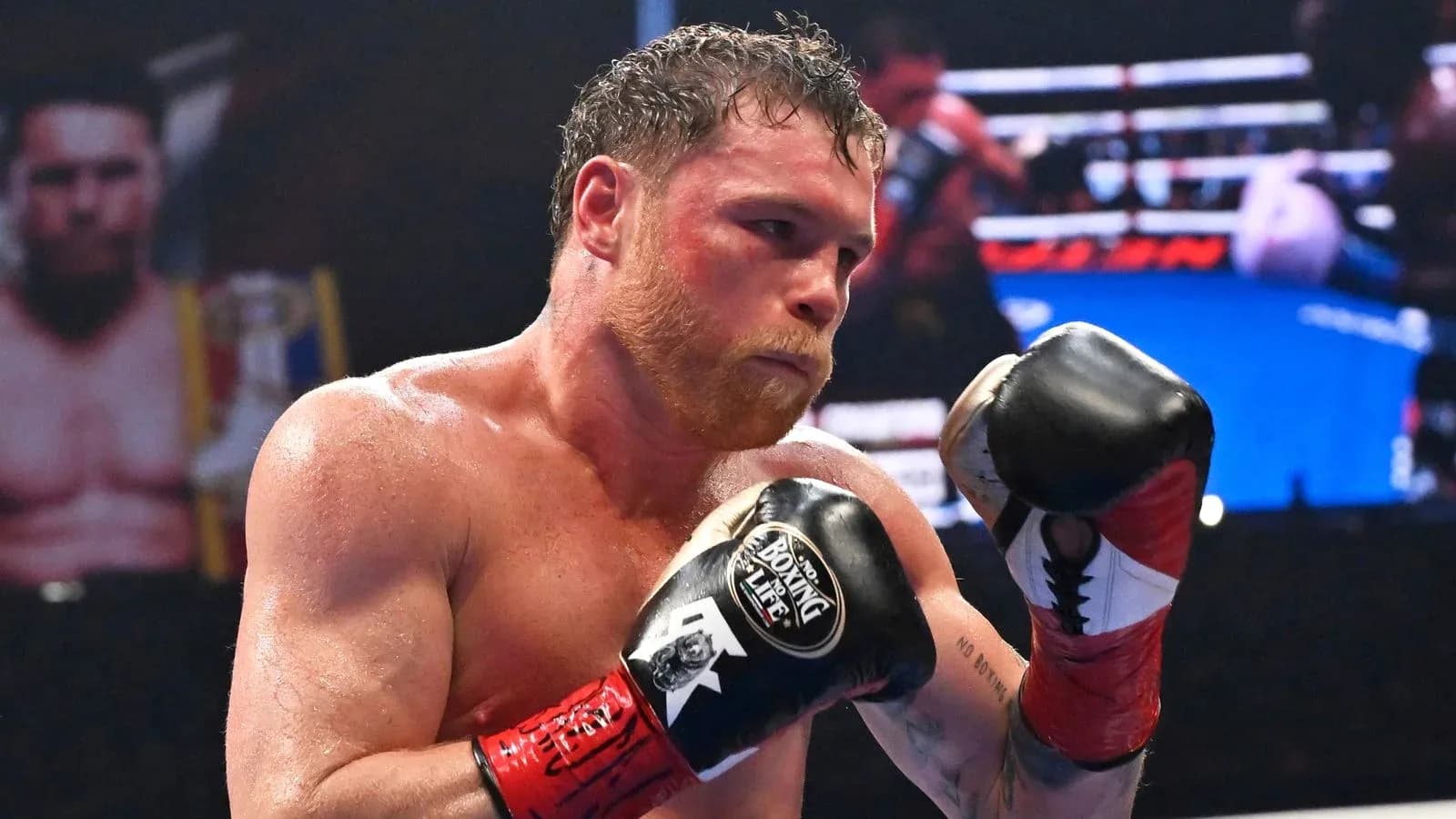
But every time Mbilli opened up, Alvarez showed why he has spent a career at the sport’s summit. He slipped shots by inches, rolled his shoulders, and answered with sharp, single counters that snapped Mbilli’s head back. When the Cameroonian’s gloves rattled off his guard, Canelo often responded with a dismissive shake of the head, a gesture that said more than any taunt.
Mbilli threw more. Alvarez landed better.
By the sixth round, the pattern had hardened. Mbilli charged in with volume; Alvarez met him with precision. A pair of vicious right uppercuts from the Mexican cut through Mbilli’s guard and drew a roar from the crowd. The challenger’s work rate didn’t drop, but the impact did. Canelo’s punches carried the weight. Mbilli’s carried the effort.
Control without chaos
As the rounds rolled on, Alvarez settled into his rhythm. He didn’t chase the knockout. He didn’t need to. His feet edged him just out of danger, his head movement turned Mbilli’s combinations into glancing blows, and his timing punished every mistake.
The defending champion’s frustration began to show. In the middle frames, with his attacks smothered and his clean success limited, Mbilli strayed to the back of Alvarez’s head once too often. The referee stepped in and docked a point, a further dent in a scorecard already leaning heavily towards the Mexican.
From there, Canelo managed the fight with the authority of a man who has been here too many times to count. Mbilli kept coming, brave and relentless, but his pressure no longer felt like a threat. It felt like a requirement – the only way he knew to stay in the contest.
In the closing rounds, Mbilli finally landed a couple of stinging right hands that drew a brief murmur of concern. Alvarez absorbed them, reset, and went back to work. No panic. No wild exchanges. Just the same calm, measured dismantling.
A champion again, and still hungry
When it was over, there was no controversy, no split opinions. The scorecards told the story of a clear, if hard-earned, victory for a fighter who refused to let time or doubt define him.
Alvarez, once again at the top of the WBC super-middleweight mountain, chose not to call out a name or stir up immediate drama in the ring. Instead, he looked inward.
"I'm going to rest. I'm going to keep learning. I'm going to keep working hard," he said. "And right now I'm going to be a couple of weeks off and then come back."
No retirement hints. No talk of being satisfied. Just a veteran champion, 36 years old, 64 wins deep, already thinking about the next camp.
In a dangerous city on an uneasy night, Canelo Alvarez walked through uncertainty and reclaimed a piece of himself. The belt is back around his waist.
The question now is not whether he is finished. It’s who dares to try and take it from him next.