Canelo Alvarez Wins World Title Again in Riyadh
RIYADH – Twenty-one years into a brutal profession, with a fortune in the bank and his legacy already carved into boxing’s stone, Saul “Canelo” Alvarez still looks most alive in a ring no bigger than a small bedroom.
On Oct 31 in the Saudi capital, under a sky recently threatened by intercepted missiles and drones, the Mexican walked back into that 25-square-metre cage and took back what he believes is his: a world title.
Canelo, again
This was his first fight in more than a year, a return that carried questions. At 36, after three defeats and a punishing schedule across multiple divisions, how much did Canelo have left?
Enough. More than enough.
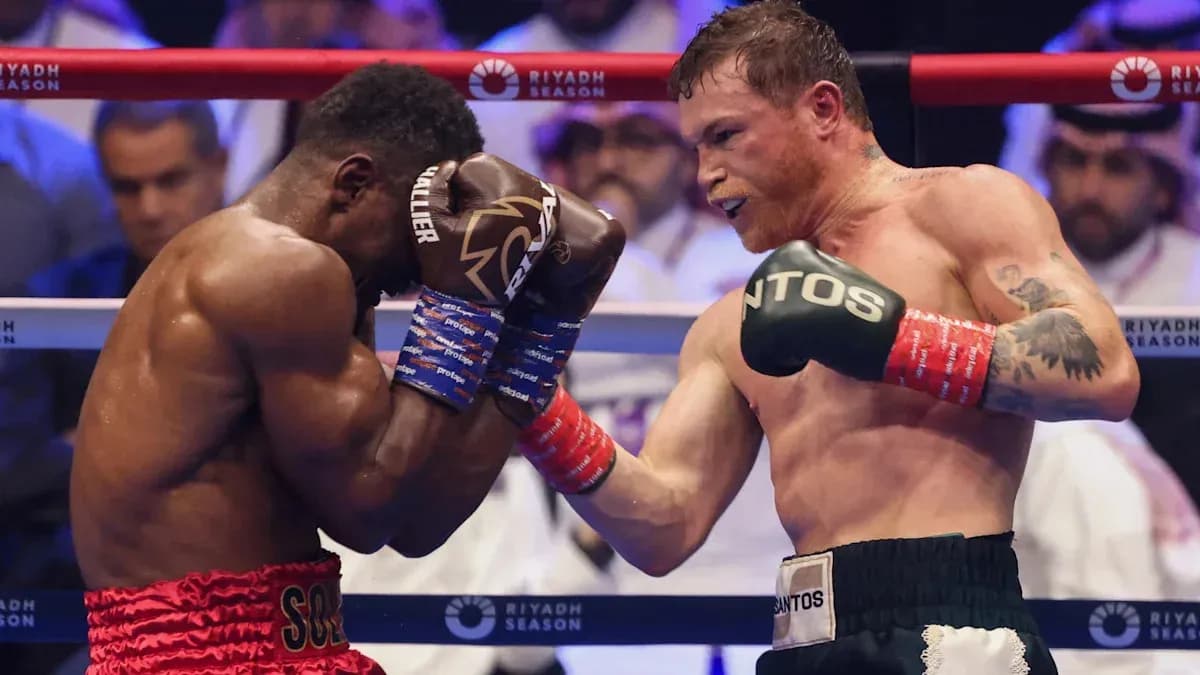
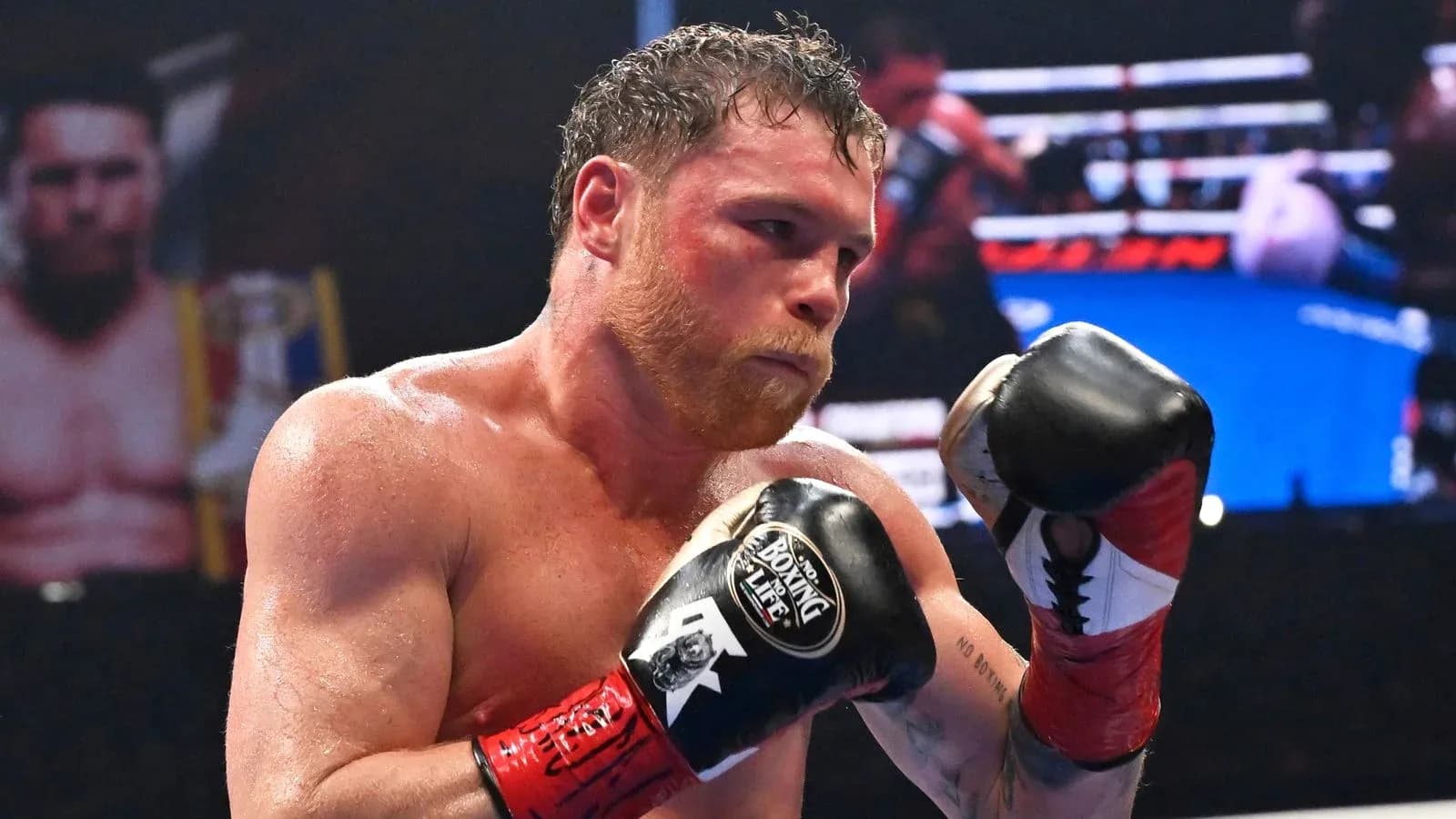
He leaned on the tools that made him a star and then a standard. The counter-punching that punishes mistakes. The thudding, accurate body shots that drain ambition. The subtle defensive moves that leave opponents swinging at shadows.
Across 12 rounds, Christian Mbilli came forward with intent and volume, but Canelo dictated what mattered.
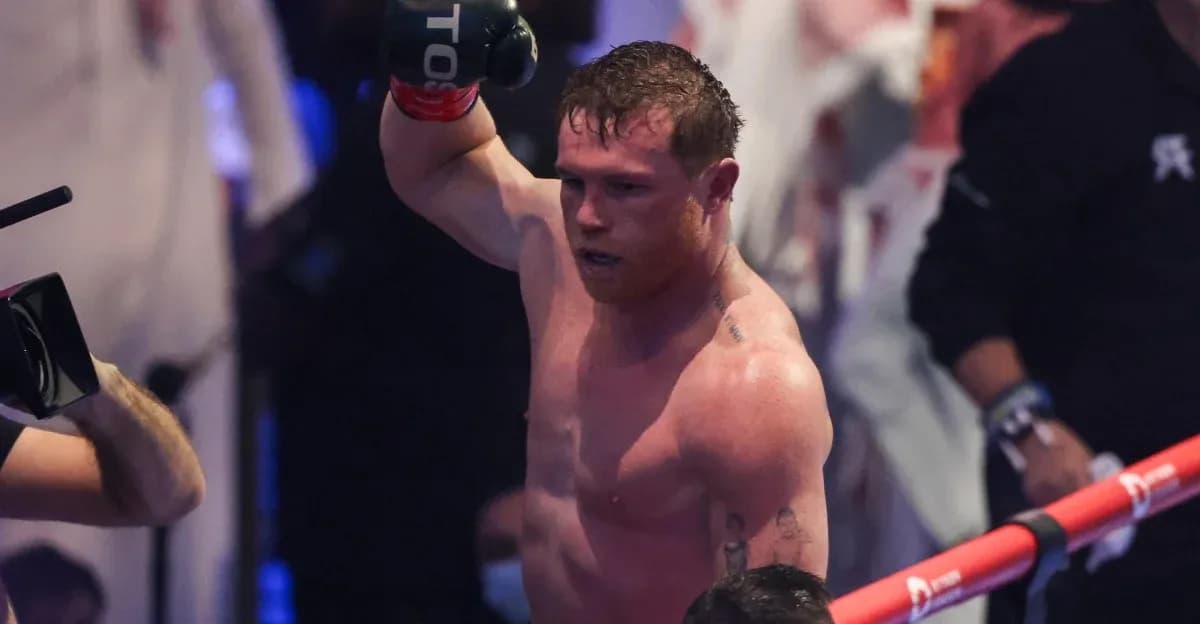
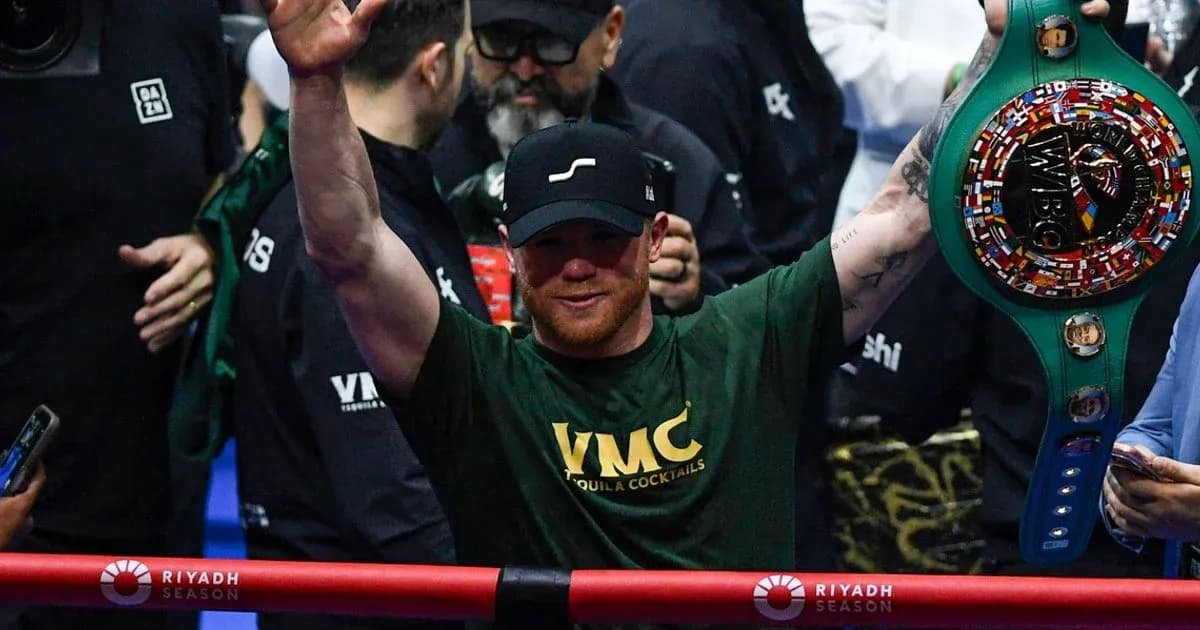
The judges saw it clearly: 115-112, 116-111, 117-110. A unanimous decision and a familiar sight – Alvarez with a belt over his shoulder, a champion again.
“It’s something unbelievable. It feels like my first title. Now, after 21 years as a professional, 16 years ago I won my first title. Now I won that title again. I’m so proud of my team,” he said, before cutting to the core of why he is still here. “I love boxing. That’s why I'm here, because I still love boxing and I enjoy it a lot.”
You believed him. You could see it in the way he bit down and traded when he didn’t have to.
Pressure meets precision
Mbilli arrived in Riyadh with momentum and pedigree. Thirty fights, 29 wins, one draw. Elevated to full WBC champion after Terence Crawford left the division, the Cameroon-born Frenchman had ridden an unbeaten streak that only briefly wobbled in a split draw with Lester Martinez on the Alvarez-Crawford undercard.
He fought like a man who had never lost.
From the opening bell, Mbilli pressed, throwing in clusters, trying to smother the older man with work rate. He sought to drag Canelo into a fight fought at his tempo, his rhythm, his chaos.
The Mexican refused to be rushed.
He picked his moments, timing Mbilli’s entries, digging to the ribs and solar plexus, then coming upstairs with short, sharp counters. When Mbilli surged, Canelo slid just out of range, then made him pay.
The pressure finally cracked in the seventh. Alvarez uncorked a clean uppercut that snapped Mbilli’s head back and sent him staggering, a rare moment when the Frenchman’s relentless march faltered. It didn’t end the fight, but it changed its tone. From then on, every Mbilli attack came with a question mark attached.
Mbilli never stopped trying. He kept throwing, kept walking forward, kept asking for an answer. Canelo kept giving him one.
Back from the Crawford defeat
This win does not live in isolation. It sits in the shadow of September 2025, when Terence Crawford outboxed Alvarez over 12 rounds and took his undisputed super-middleweight crown by unanimous decision.
That defeat stripped Canelo of all four major belts at 168lbs and sparked whispers that the era was over, that the mileage had finally caught up with him.
In Riyadh, those whispers quietened.
The victory over Mbilli restored a world title and, more importantly, reasserted Alvarez’s place among the sport’s elite. His record now reads 64 wins, three defeats and two draws. Numbers that belong to a generational fighter, not a fading act.
For Mbilli, 31, this night carved a different line in his story. The first loss of his professional career, against a man who has broken many before him. His ledger now carries a blemish, but not disgrace. He walked through fire and stayed on his feet.
The backdrop only heightened the sense of occasion. In the days leading up to the fight, Saudi authorities said they had intercepted Iran-aligned Houthi missiles and drones aimed at Riyadh. Security concerns forced the cancellation or postponement of several events, including the high-profile Six Kings Slam tennis exhibition.
Yet under those conditions, with tension in the air and eyes on the skies, Canelo Alvarez did what he has done for two decades: he fought, he adjusted, he won.
He left the ring older, marked, but with another belt and the same conviction.
He still loves this. The question now is not whether he belongs at the top, but how much longer he intends to rule there.