Arsenal's Bold Summer Transfers: Arteta's Calculated Gamble
Arsenal’s summer clear-out raised eyebrows long before a ball was kicked. Now, on the eve of a London derby, the questions are getting louder.
Three attackers out. One in.
- Leandro Trossard to Besiktas for £17.1m.
- Gabriel Jesus to Barcelona for £8.5m.
- Gabriel Martinelli, the crowd favourite, gone to Al-Hilal in a £60m deal.
For a club that has spent the last three seasons trying to close the gap at the very top, it is a ruthless reshaping of the forward line. Two natural left wingers and a central striker moved on, and only Christos Tzolis arrived, signed from Club Brugge for £34m as the lone direct attacking reinforcement.
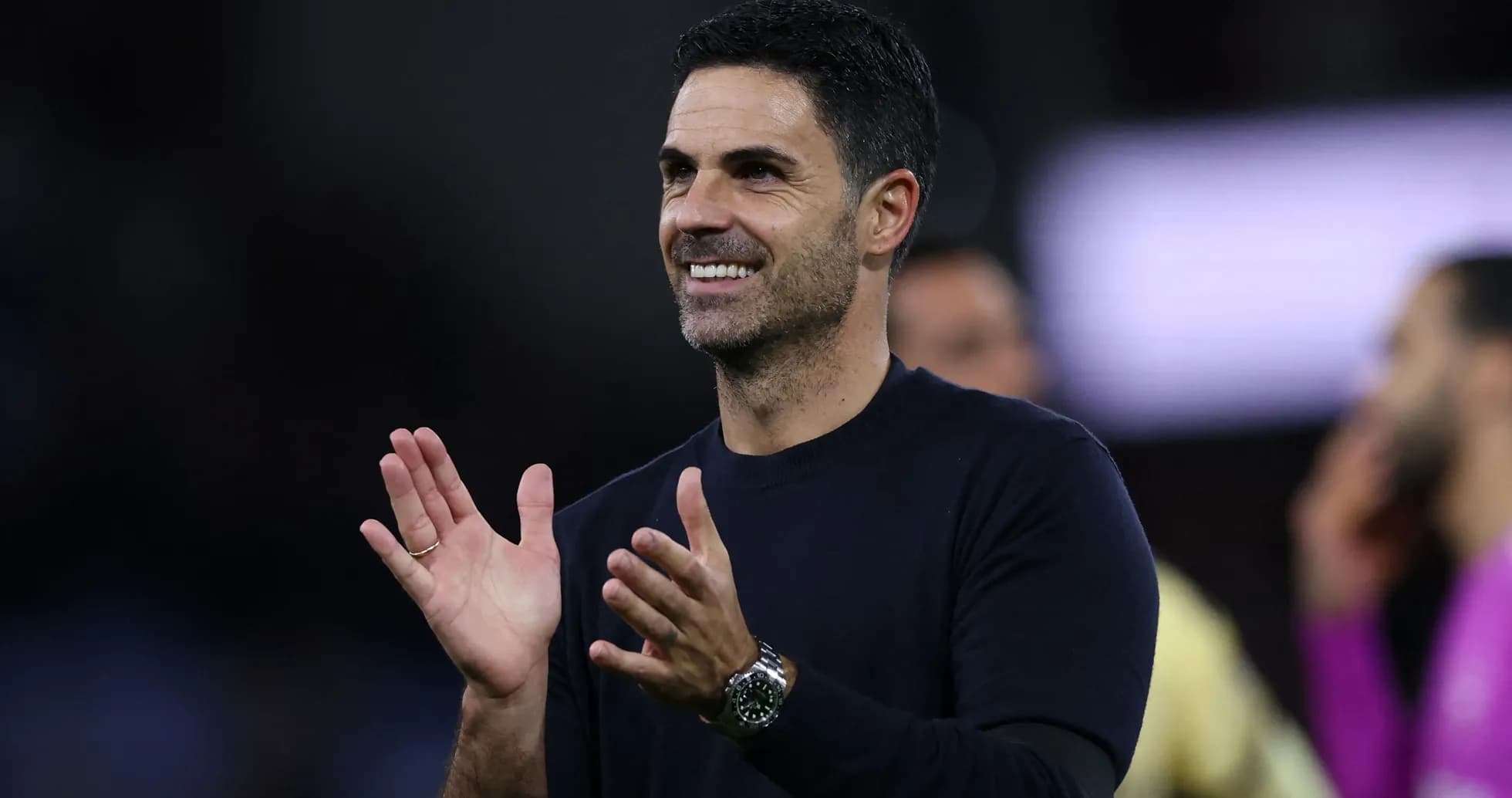
Mikel Arteta, though, is not blinking.
Arteta stands his ground
Pressed on whether he regrets leaving himself so light in attack, the Arsenal manager pushed back hard.
“No,” he said, firmly. Selling players, he argued, is not a simple matter of replacing profiles on a whiteboard. “The selling of players can come from different aspects as well. It's not always the same one. That's part of the responsibility we have at the football club.”
He pointed to data, minutes, and availability. The story, in his eyes, looks different once you strip away the emotion and examine who actually played, and when.
“I understand the point of view,” he admitted, aware of the anger in the stands and on the timelines, “but we have to understand the amount of minutes those players played and the ones that were injured, especially in the first six months. Then the data shows something completely different, but it is what it is. This is what we have and we already have some very good players.”
Now, Arsenal’s left flank belongs to Tzolis and Eberechi Eze. Inside, Kai Havertz, Viktor Gyokeres and Mikel Merino are the primary central options. It is a new look, a different balance, and a gamble that the club insists is calculated.
The Martinelli break-up
The most painful departure, emotionally at least, was Martinelli.
Seven years in North London. A player who arrived as a raw teenager and grew into one of the symbols of the project. For many Arsenal supporters, his sale cut deeper than any spreadsheet could explain.
Arteta’s tone shifted when he spoke about him. Less defiant, more reflective.
“With Gabi, I have gratitude. It's been a pleasure to work with him and be part of his journey,” he said. “The Gabi I met and the one that just left had a huge transformation both personally and professionally. The impact he had for the club, his ambition, his love for the game and the way he has helped us to grow and achieve our goals, he has been a critical player. The story ends, and we wish him all the best in a different one.”
Behind that warmth sat a cold calculation. Arsenal did not just look at talent, they looked at availability.
Gabriel Jesus, for instance, only returned in December after an 11‑month ACL layoff. That length of absence shapes planning. It has to. Trossard and Martinelli were fitter by comparison, yet even they missed two league games each through injury in the first half of last season.
The numbers tell their own tale. Trossard logged 1,049 league minutes in that period. Martinelli managed just 535. Those intermittent starts, that patchy rhythm, fed into the decision to cash in and “refresh the frontline”, as the club hierarchy see it.
For supporters, it still feels brutal. For Arteta, it is the price of pushing on.
Ambition questioned
When Arsenal lost the Champions League final, Arteta promised the fanbase the club would be “very ambitious, fast and smart” in the market. Those words have not been forgotten.
Some sections of the support look at the late stages of the window, see more exits than arrivals, and wonder where that ambition went. The pace, they argue, stalled. The smartness is yet to be proven.
Arteta does not share that view.
Asked directly if those three criteria had truly been met, he did not hesitate. “100 per cent ticked,” he replied. The execution, he admitted, can never be fully controlled. “The outcome after can be different to what you expect, but the intention was certainly there, which is what I value the most.”
That line matters. Intention. Arsenal’s manager is effectively saying: judge us over the season, not over the headline list of ins and outs. The club backed his vision, even if the market did not always bend to their will.
Now the squad will have to prove him right.
Derby doubts and decisive calls
All of this plays out against the backdrop of a London derby, with fitness concerns hovering over key players.
Bruno Guimaraes is a doubt after missing training sessions, though the mood around him is cautiously upbeat. “He had a knock against Villa and he's been assessed. He will probably be okay for training tomorrow,” Arteta said, suggesting the Brazilian could yet feature.
Mosquera’s early withdrawal against Aston Villa prompted fresh anxiety, but Arteta moved quickly to cool fears. “It was more precaution than anything else to bring Mosquera off against Aston Villa. We will have to see how he feels in the session tomorrow.”
There was better news on Jurrien. “Jurrien is in really good condition. He's been on the pitch for a few weeks and training with us, so he's in a good place. We will decide tomorrow after training if he is available,” Arteta added.
So the picture is familiar: tight calls, late assessments, a manager weighing risk against reward.
Only this time, he does so with a slimmer, sharper group. No Trossard to shuffle inside. No Jesus to drop deep. No Martinelli to explode down the left.
Arteta has made his bet. The window is closed. The margins at the top are thin, and Arsenal have chosen a bolder, narrower path.
The question now is not whether he regrets it. He clearly doesn’t.
The question is whether this leaner Arsenal can carry his conviction into the heart of a season that will not forgive missteps.