
Mikel Arteta's Methods: A Design for Success at Arsenal
Mikel Arteta once hired pickpockets to sharpen his players’ awareness. Not as a gimmick, but as a lesson: if you switch off for a second, someone takes something from you.
He has repainted meeting rooms in colours designed to keep minds alert. He blasts opposition stadium anthems over the speakers at Arsenal’s training ground until they feel familiar rather than intimidating. Every detail, every sense, is fair game.
This is how Arsenal ended a 22-year wait for the Premier League title last season. Not by chance. By design.
Arteta’s chaos by design
So when a flight delay disrupted Arsenal’s journey to Naples for their Champions League win over Napoli on Wednesday, Arteta barely blinked. This was not a crisis. This was the kind of disruption he has been staging for years.
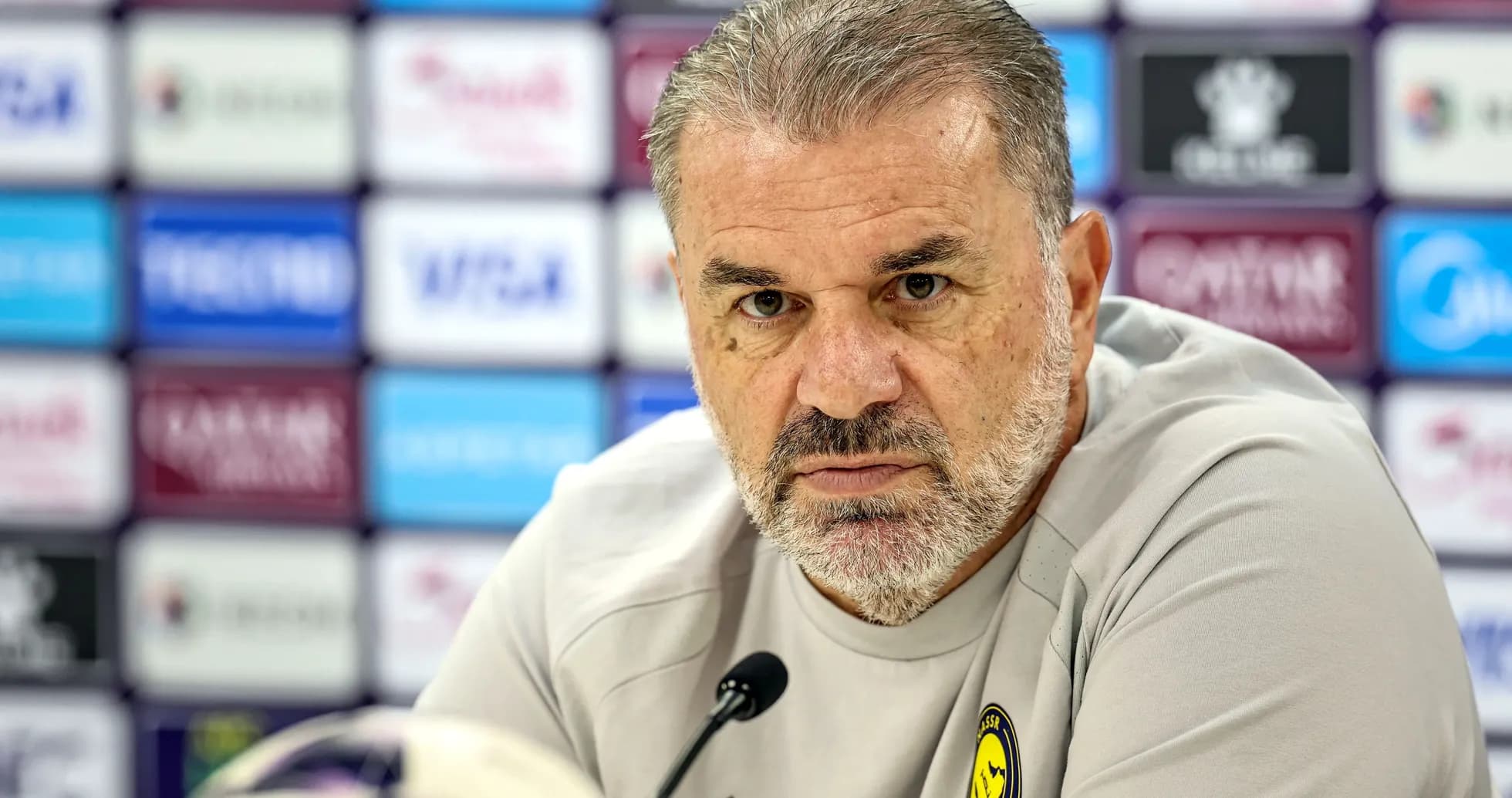
"I love these challenges," he said on Friday, speaking with the calm of a man who has already run the drill. "I try to create them in pre-season and arrive at different times so when they happen we have already experienced it.
"You can miss a flight, the train can be delayed but I don't want the players or staff to be panicking when it happens, instead adapt to it. But do not complain and use it as an excuse because it's not helpful at all."
That is the core of his Arsenal: no excuses, no panic, no surprises. Just adaptation.
It is why Saturday’s trip to Sunderland, awkward on paper and emotionally loaded after last season’s late collapse, is being treated not as a trap but as another test of control.
Lessons from Sunderland
Arsenal head to the Stadium of Light chasing a fourth win from four in the Premier League. History sits quietly in the background. Should they win, it would be only the sixth time the club has opened a league campaign with four straight victories. The first three times they did it, they ended up as champions.
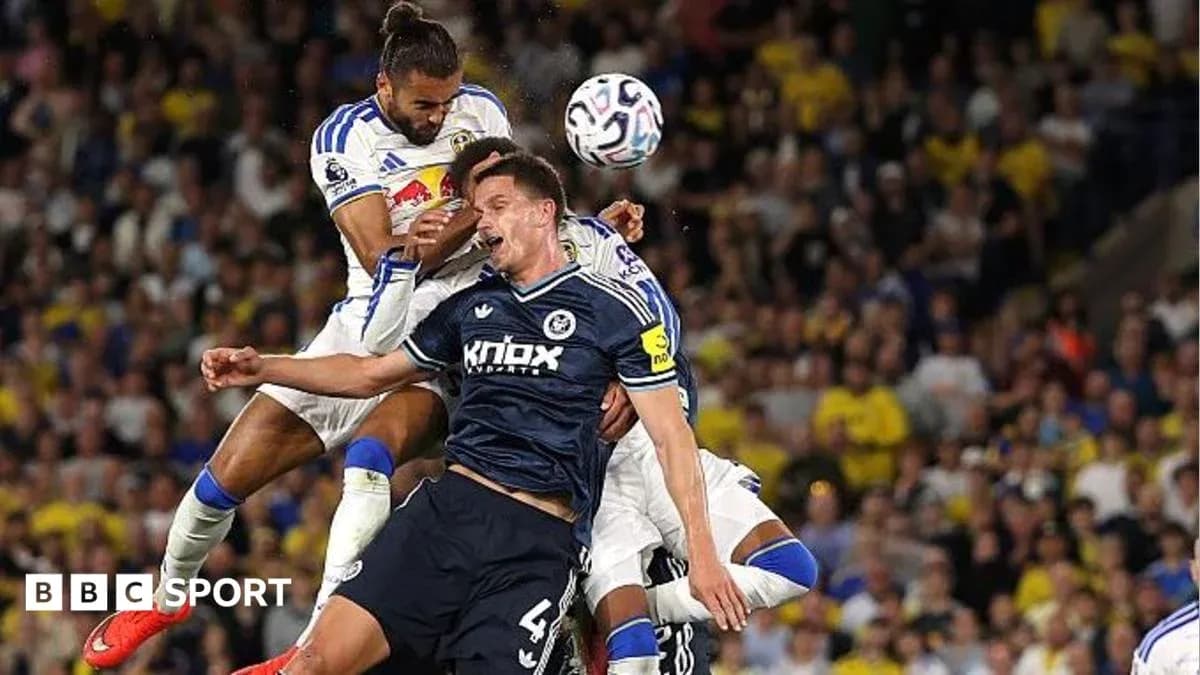
They know the danger, though. Sunderland snatched a last-gasp 2-2 draw in this fixture last season, stealing points at the death and leaving Arsenal with a bruise that lingered deep into the run-in.
"Last year we dropped points there in the last minute and we've learned a lot from that game," Arteta said. The message is clear: that kind of lapse is exactly what all the psychological drills are meant to erase.
Discomfort as a weapon
Arteta’s methods can look eccentric from the outside. Inside the camp, they form a clear pattern.
He has players passing footballs while balancing a pen on a finger, a small exercise in coordination and concentration under pressure. He engineers irritation and inconvenience on purpose.
"Sometimes we delay the meals, delay the transport, take a different route, make the dressing room hot, less beds, because we are going to have to adapt so there is not an element of surprise on match day," he explained.
He wants his squad to feel discomfort now so they can ignore it later. A late coach. A cramped changing room. A restless night. A hostile anthem echoing around an old stadium. None of it can be allowed to seep into performance.
Even the training ground carries a message. Arteta had a 150-year-old olive tree planted there, a living symbol of roots, patience and growth. He takes a miniature version into team talks, a portable reminder of what he is trying to build and protect.
Sunderland next, with the title mentality
Arsenal travel north as champions, but Arteta is still coaching them as if they are chasing something rather than defending it. The margins remain tight in his mind. One delayed flight. One late goal conceded. One moment of lost focus.
They have three wins from three in the league. A fourth would keep the early-season pace and quietly echo some of the club’s greatest title-winning starts.
But for Arteta, the bigger question sits underneath the numbers: when the journey is delayed, the dressing room is hot, the crowd is roaring and the clock is in red time, does this Arsenal bend again, or does it finally stop letting anyone take anything from them?