Aryna Sabalenka Dominates Polina Iatcenko in 53-Minute US Open Match
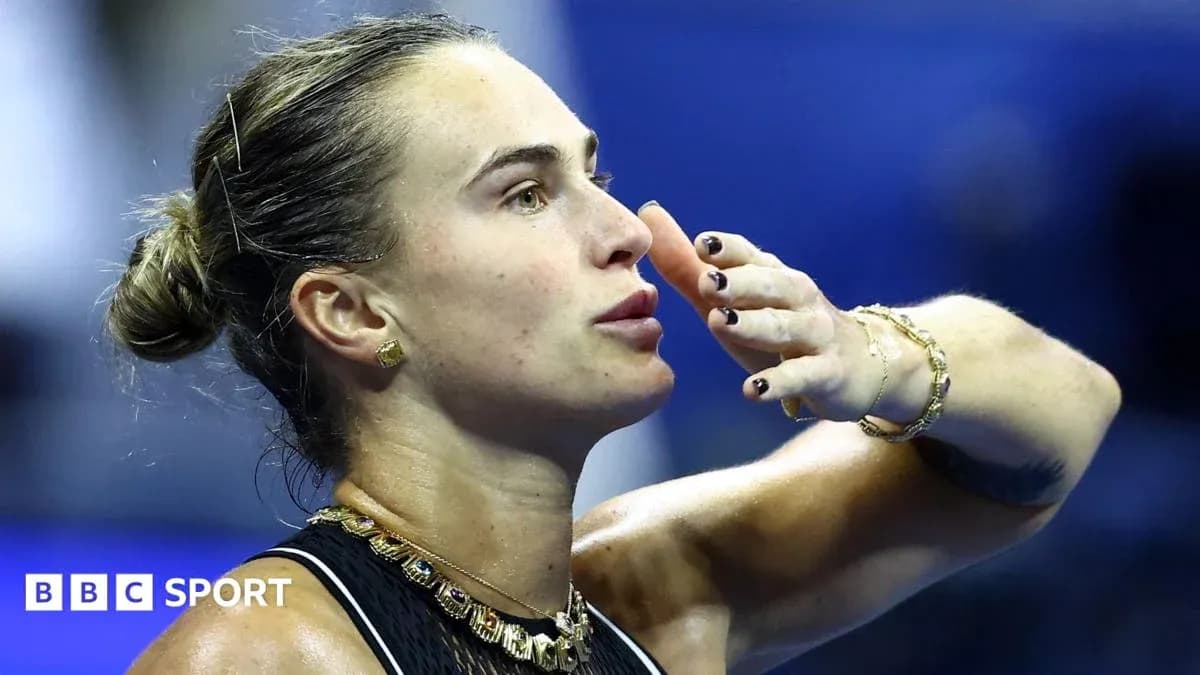
Aryna Sabalenka needed just 53 minutes to flatten Polina Iatcenko at the US Open. She walked off Louis Armstrong Stadium with a 6-1 6-1 win, barely out of breath.
She did not look remotely satisfied.
This was one of the fastest Grand Slam victories of her career, a demolition of a 22-year-old qualifier making her main-draw debut in New York. On paper, it ticked every box: clean hitting, ruthless scoreline, barely a wobble. In reality, it felt like only a small step in a season that has veered from unstoppable dominance to uncomfortable doubt.
A quick win, a strange season
Sabalenka, 28, is chasing a third straight US Open title, the kind of “three‑peat” that stamps a dynasty on a tournament. She is also fighting to hang on to the number one ranking in a year that has been anything but straightforward.
Her start to 2026 was ferocious. She reached the Australian Open final, swept the Sunshine Double at Indian Wells and Miami, and lost just once in her first 27 matches – to Elena Rybakina in Melbourne. Back then, the idea of Sabalenka surrendering top spot felt distant.
The numbers since then tell a different story. Coming into New York, her record after Miami sat at 17-7. One semi-final in five months. A visible dip, and by her own admission, a period where she had been “dealing with several things” and playing well below her best.
None of that was visible in the scoreline against Iatcenko. But this match, for all its brutality, did not really answer the big question: where is Sabalenka’s level when the real heat comes?
“I’m happy with the level I played, happy with the focus and happy to be through this match,” she said, sounding more businesslike than buoyant. Next up is Kamilla Rakhimova of Uzbekistan in the third round – a sterner test, but still not the kind of showdown that will define her fortnight.
Ranking pressure and a tightening chase
Behind the clean winner count and the booming serves sits a very simple equation. Sabalenka must lift the trophy again in New York to have any chance of keeping the number one ranking away from Rybakina.
Even that might not be enough.
If Rybakina reaches the semi-finals, she will climb to the top of the rankings regardless of what Sabalenka does. Jessica Pegula and Coco Gauff are also lurking in the maths, both able to finish the tournament as world number one if they go all the way.
The margin for error is vanishing. Sabalenka knows it.
A mismatch on the court
For Iatcenko, this was a harsh education under the bright lights of the biggest tennis stadium in the world. Ranked 160, a qualifier, a debutant at this level, she walked into a storm.
Sabalenka’s pace and weight of shot simply overwhelmed her. The top seed struck 24 winners; Iatcenko managed just three. The first set raced by in 24 minutes. At 5-0 down, the Russian finally got on the board, broke into a broad, relieved smile, and heard the crowd roar for her small victory.
It was a brief reprieve. Sabalenka held to love in under 90 seconds to seal the set 6-1.
Iatcenko took a bathroom break, officially to change her kit, but it looked like a mental reset as much as anything else. Sabalenka stayed on court, kept her arm loose by practising serves, and then tore into the second set with the same ferocity, surging to a double break and a 3-0 lead.
There was a flicker of sloppiness in the fourth game as she dropped serve, but the correction was swift. Two more breaks, another 6-1 set, and the lesson was complete.
For Iatcenko, there is consolation. Experience against the world number one on a show court. A serious financial boost, too: she arrived in New York with $300,000 in career earnings and leaves with another $190,000 to reinvest in her career.
Sabalenka, though, was already bristling about a different narrative.
A spiky press room
If her tennis was smooth, her post-match news conference was anything but.
Sabalenka has been open about struggling in recent months, talking before the tournament about “several things” affecting her level. So when a reporter suggested she had been at “lots of parties” in the build-up to the US Open, she snapped.
“What kind of question is that? Just because I posted some activities with brands, you think that I’ve been partying [and] not training?” she fired back.
When the same reporter followed up by asking if she was “getting serious” now that the tournament had started, Sabalenka’s sarcasm cut through the room.
“Oh yeah, I wasn’t serious before that. Next question.”
The exchange underlined the tension around her campaign. She is the two-time defending champion, the world number one, and yet very much under scrutiny – for her form, her focus, and her future at the top of the game.
Pegula, Gauff and the calm behind the chaos
While Sabalenka sparred in the press room, others quietly tightened the noose around her ranking.
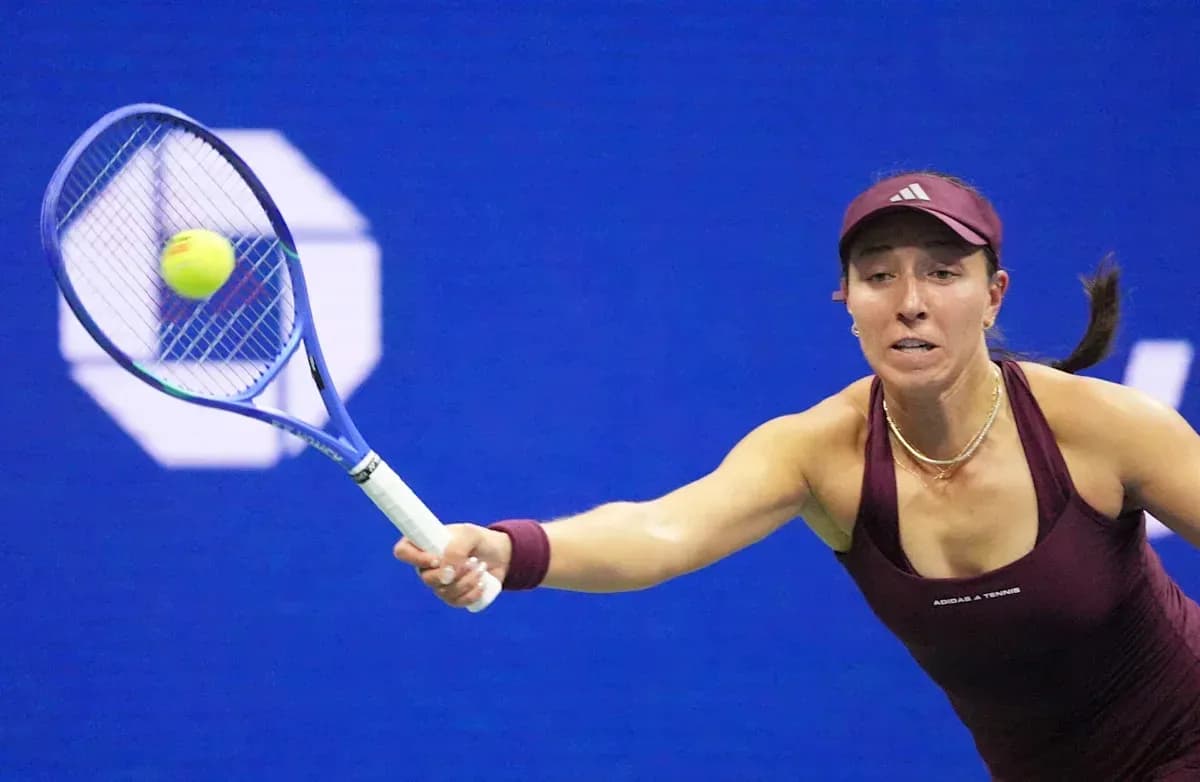
Earlier on Wednesday, third seed Jessica Pegula kept her own push for a first Grand Slam singles title on track with a routine win over fellow American Sofia Kenin, 6-3 6-1. Pegula, like Gauff, will become world number one if she wins the title and the numbers fall her way.
Gauff, the fourth seed and defending US Open champion, also moved through with a straight-sets victory, keeping alive the possibility of an all-American charge at the summit.
Karolina Muchova, this year’s Wimbledon runner-up, advanced without fuss. Marta Kostyuk, a two-time major semi-finalist, joined her. Teenage American Iva Jovic added another confident straight-sets win to her growing résumé.
The women’s draw, so far, has refused to explode. Few shocks, seeds moving through, the big names quietly stacking wins.
Sabalenka is doing the same, only nothing about her feels quiet. She has the scorelines, the pedigree, and a New York history that demands respect. What she does not have, yet, is certainty.
If this is the start of another title run, Wednesday’s 53 minutes will be remembered as a footnote – a brisk, brutal reminder of what her best looks like. If the dip returns in the second week, it may instead stand as the calm before the real storm.