Aryna Sabalenka's Tense Exchange with Media After US Open Win
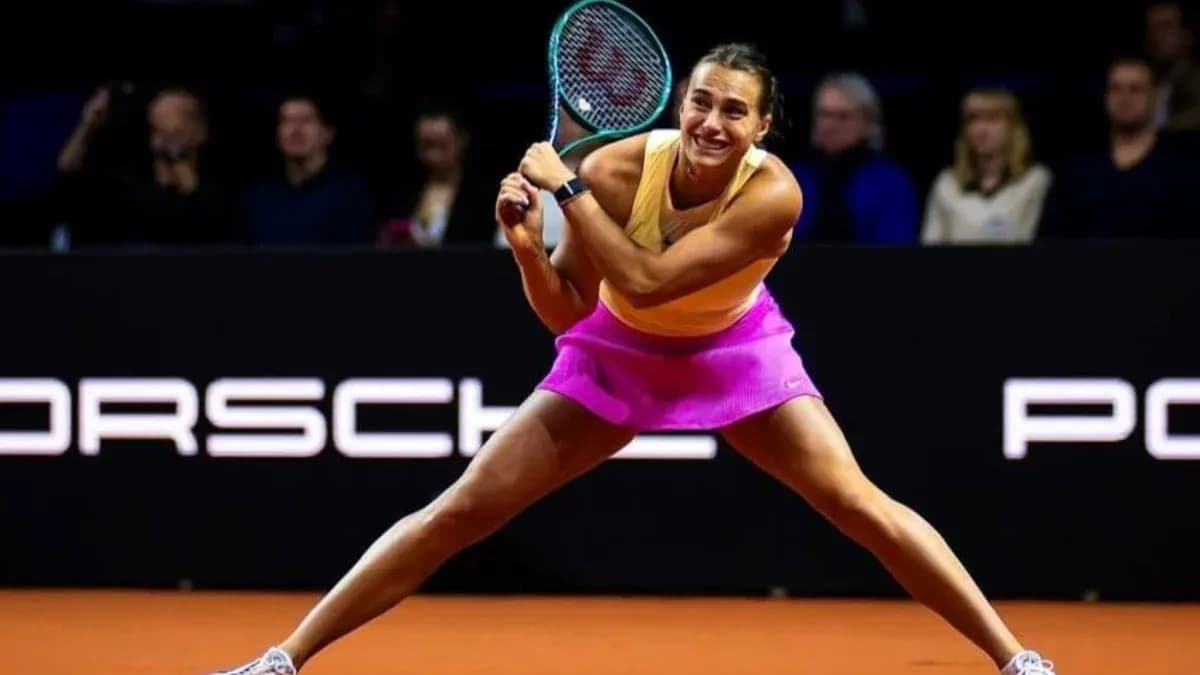
Aryna Sabalenka walked into the interview room at Flushing Meadows fresh from a dominant second‑round win, the kind of performance that underlined exactly why she is world No. 1. What followed had nothing to do with her forehand or serve, and everything to do with the fragile chemistry between a top player and the press.
The question that lit the fuse sounded casual enough at first. A reporter referenced what he described as a week of “parties and fun” before the US Open and asked how her mood had shifted now that the serious business had begun.
Sabalenka bristled.
The implication that she had spent her build‑up to the year’s final Grand Slam partying instead of preparing cut straight across her sense of professionalism. She pushed back hard, making it clear she would not let sponsor events and brand appearances be framed as a lack of focus or discipline. Those off‑court obligations, she argued, were part of the job, not evidence she had taken her eye off the ball.
The tension in the room was obvious. Within hours, it was everywhere.
Clips of the exchange raced across social media, replayed, dissected, and meme‑ified. Many fans rallied behind Sabalenka, applauding her for defending the grind that underpins elite success. Others zeroed in on the wording of the question, debating whether it was clumsy, careless, or simply misunderstood.
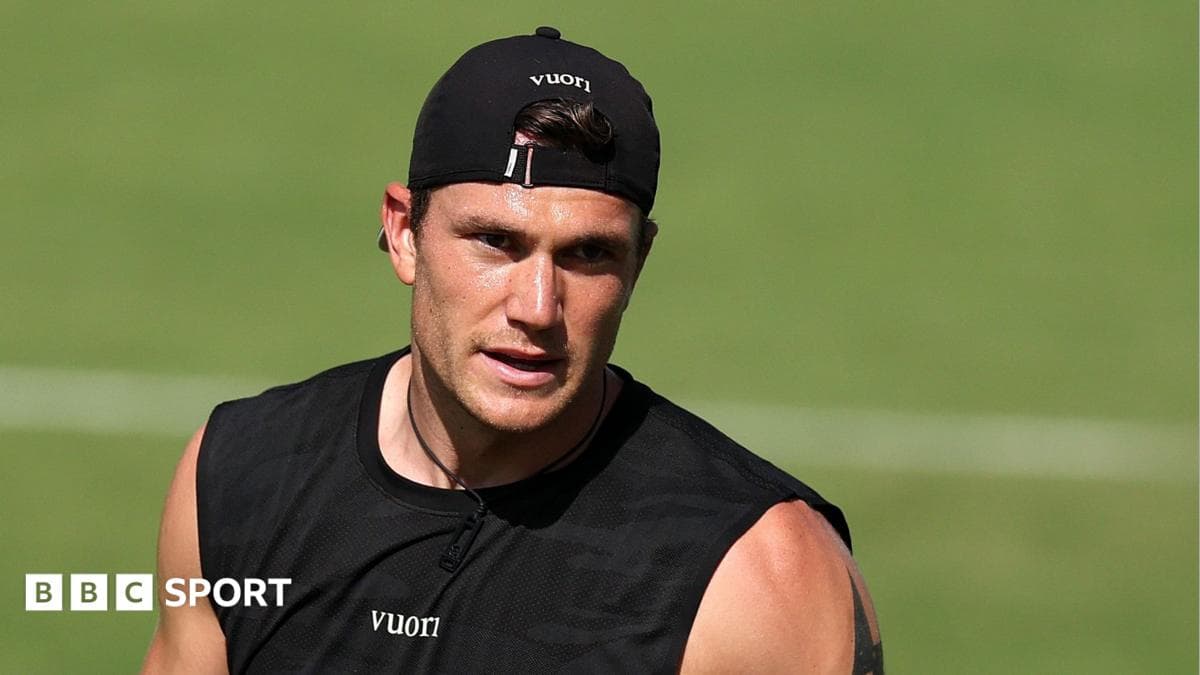
As the noise grew, the journalist at the centre of the storm stepped forward to explain his side.
He clarified that he had not intended to accuse Sabalenka of neglecting her preparation or spending her days partying. The reference to “parties and fun,” he said, was meant to capture the swirl of public appearances, promotional work, and off‑court activities that top players juggle in the days leading into a major. In his view, the question landed differently than he had imagined when he asked it.
He stressed that he had no desire to question Sabalenka’s work ethic, and he acknowledged the scale of the reaction and the online scrutiny that followed.
Sabalenka did not simply let the episode drift into the background either. After her initial flash of anger in the press conference, the two‑time defending US Open champion later apologized to the reporter for the intensity of her response. At the same time, she stood firm on one key point: she still felt the way the question was framed was unfair.
That nuance matters. This was not a player refusing accountability, nor a reporter refusing to back down. It was a reminder of the thin line everyone walks in those cramped interview rooms, minutes after the last ball has been struck.
At Grand Slams, players face banks of microphones and cameras almost as soon as they leave the court. Adrenaline is still high, emotions are raw, and the obligation to provide insight sits alongside the need to protect reputations and routines. Reporters, for their part, are under pressure to move beyond clichés and find something revealing, something that cuts through.
When the subject turns to preparation, focus, or professionalism, that search can easily collide with a player’s sense of pride. One loaded phrase, one misjudged word, and a standard post‑match presser can turn into a flashpoint.
This time, it happened to Aryna Sabalenka. It will not be the last time the uneasy truce between athletes and media is tested under the bright lights of a major.