Aryna Sabalenka Survives Thrilling Quarter-Final at US Open
Aryna Sabalenka looked up at the scoreboard and, for a moment, believed her reign in New York was finished.
It wasn’t. Not yet.
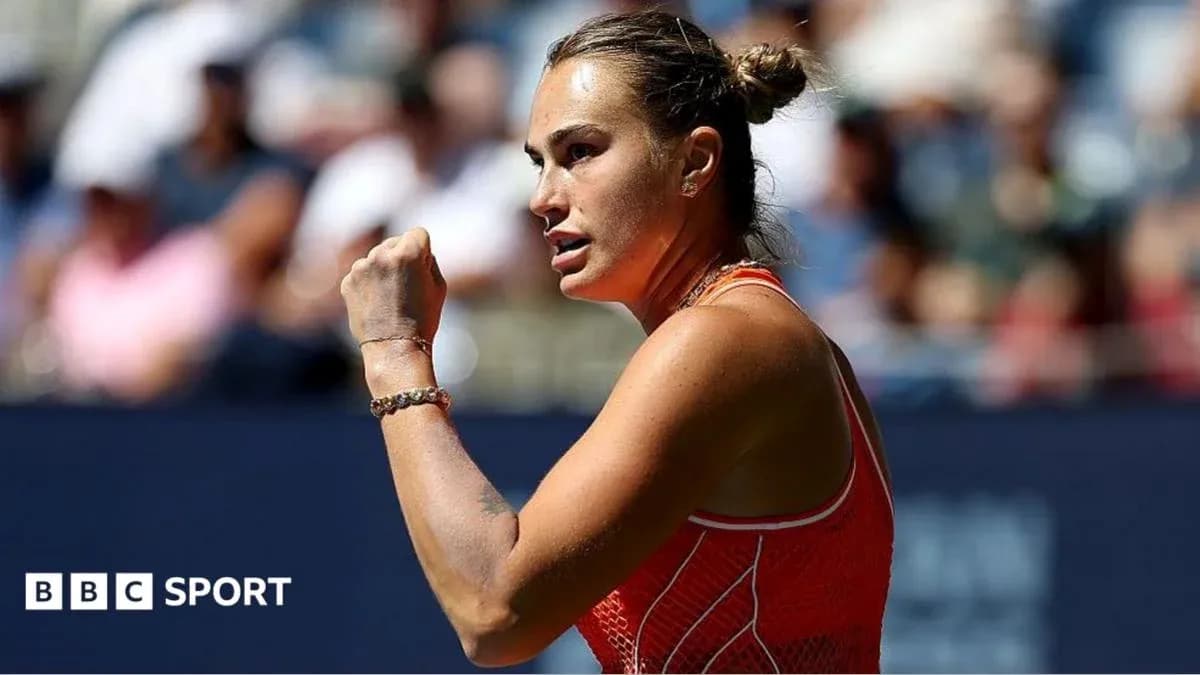
The two-time defending US Open champion dug herself out of a hole that felt deeper with every misfired serve and squandered chance, clawing back from the brink to beat Wimbledon champion Linda Noskova 7-6 (7-1) 3-6 7-6 (10-7) and reach another semi-final at Flushing Meadows.
She trailed 4-2 in the deciding set. She trailed 2-0 in the match tie-break. She had already thrown in six double faults and watched chance after chance slip away. But when it mattered, the old volatility gave way to something colder, sharper, more ruthless.
She finished the night with a second-serve ace.
Champion on the edge
This was Sabalenka’s first three-set test of the tournament, and it arrived with full force. For long stretches, Noskova looked like the player with the cleaner game and the clearer head. She finished with more winners, fewer unforced errors, and saved seven of the nine break points she faced. On the raw numbers, the 19-year-old had done enough.
The problem? Sabalenka doesn’t surrender her territory easily in New York.
The win stretched her unbeaten run at the US Open to 19 matches, a streak that began after her defeat in the 2023 final. She also became the first woman since Serena Williams in 2016 to reach six consecutive semi-finals at Flushing Meadows. This is her court, her fortnight, her comfort zone amid the chaos of a season that has often frayed at the edges.
Yet for most of the match, comfort was the last thing on offer.
Sabalenka flew out of the blocks, breaking Noskova in the Czech’s opening service game and racing to a 5-2 lead. The ball exploded off her strings, the forehand hammering through the court, the sixth seed struggling to catch her breath. Serving for the set, Sabalenka blinked. A double fault crept in, Noskova broke back, and the tone of the night shifted.
Sabalenka still swept through the tie-break 7-1, but that double fault was no one-off. It was a warning.
Noskova swings back
The second set belonged to Noskova. Sabalenka carved out three early break points and failed to land any of them. The frustration simmered, then boiled. At 3-2 down, facing break point, she threw in another double fault. Noskova grabbed the break, tightened her game, and forced a decider.
This was the version of Sabalenka that has haunted her own ambitions: the one that let a lead slip in the French Open quarter-finals, the one whose emotions sometimes race ahead of her game. The serve wobbled again in the third. Two more double faults, another break surrendered. Noskova held to love for 4-2 and looked in complete control.
Sabalenka looked spent.
And then she didn’t.
The top seed steadied, found first serves when she had to, and began to bully the rallies again. Three games in a row went her way. The forehand, which had drifted long and wide in the middle of the match, started to land with purpose. Noskova, who had been the one absorbing and redirecting pace so calmly, suddenly had to fend off a champion in full chase mode.
The match hurtled into a deciding tie-break, a stage where Sabalenka has quietly built a formidable record. She had won nine straight US Open tie-breaks dating back to 2021. This would become number ten.
Noskova jumped out to a 2-0 lead. Sabalenka reeled her in.
Point by point, she leaned into her power rather than flinching from it. The risk remained high, the margins thin, but the decision-making sharpened. No more tentative roll-ins. No more half-committed swings. When the final chance came, on match point, she trusted the shot that had betrayed her all evening.
Second serve. Ace. Match.
A corner turned?
“I honestly thought that that's it, the match is over,” Sabalenka admitted afterwards. That thought, she said, freed her up. She stopped playing to avoid disaster and started playing to win.
The shift has been building. Her previous match against Taylor Townsend followed a similar script: serve broken four times, down 3-1 in the second set, yet still finding a way through. These are the kinds of matches Sabalenka used to lose. Now they are starting to fall her way.
This quarter-final was only her second victory at that stage of any tournament since March. The spring and summer had been bumpy. Titles in Brisbane, Indian Wells and Miami set a ferocious early pace, but the form did not carry over to clay or grass. Early exits in Toronto and Cincinnati underlined the slump.
New York, though, has given her back a version of herself she recognises. Six quarter-finals at the US Open. Six wins. Four straight trips to the last four now beckon.
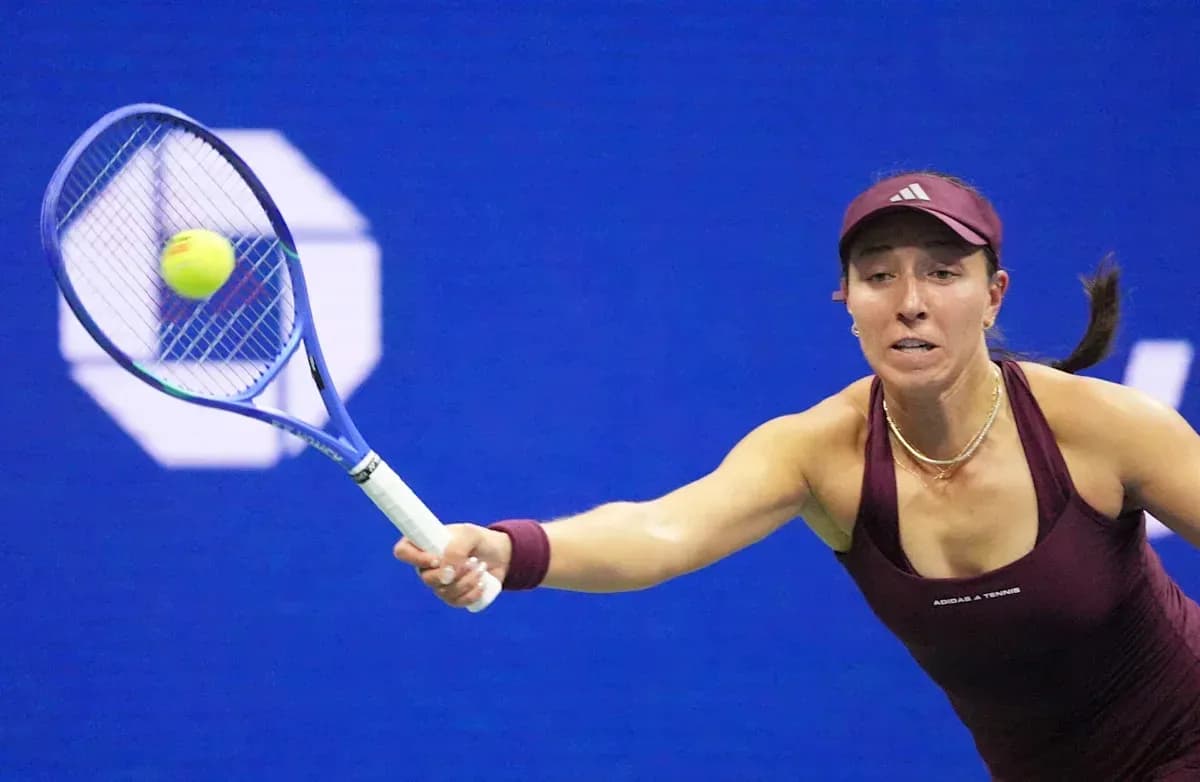
Her reward this time is a semi-final against either third seed Jessica Pegula or fellow Belarusian Emma Navarro, the 26th seed. The world number one ranking, for now, remains by her name, preserved at least temporarily by this escape. But even that status is under threat: if Elena Rybakina beats Zheng Qinwen on Wednesday, the Kazakh will climb to the top regardless of Sabalenka’s eventual finish.
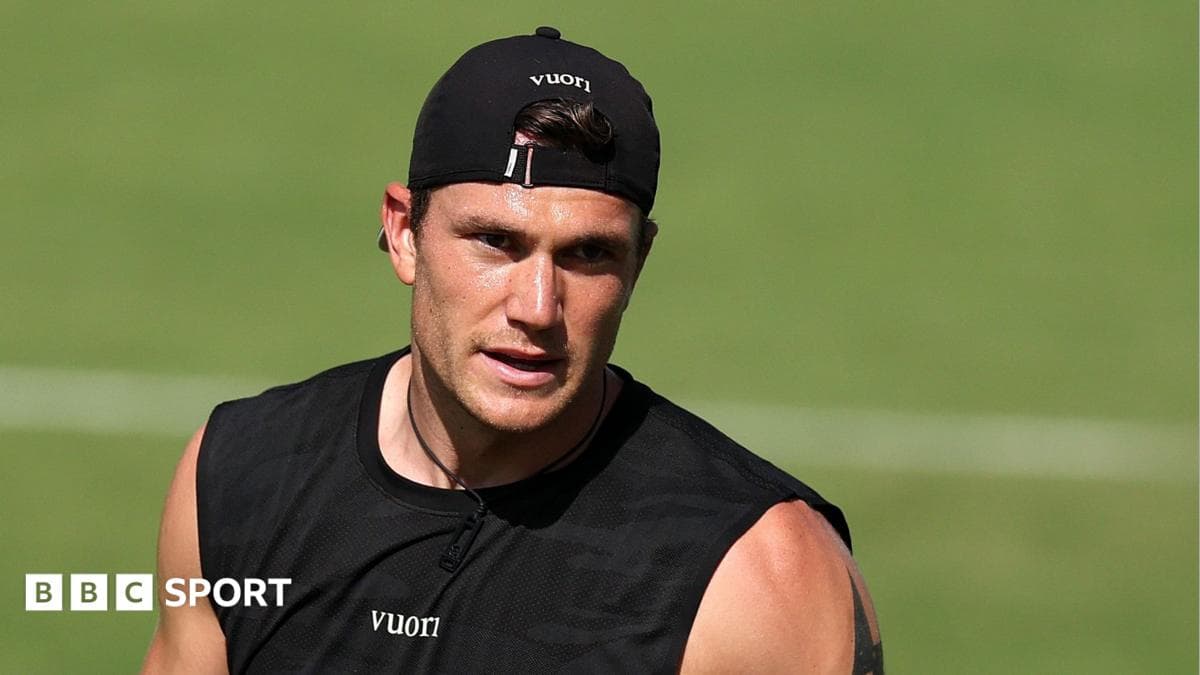
For Noskova, this defeat snaps an 11-match Grand Slam winning streak and will sting precisely because she played so well. She went toe to toe with the champion, dictated plenty of rallies, and stood within a handful of points of a statement victory.
Sabalenka refused to let her have it.
On a night when her serve faltered, her nerve did not. In a stadium where legends have clung on and rewritten their own endings, Aryna Sabalenka added another chapter. Now the question is simple: after surviving this, who will feel confident enough to take her crown?