Aryna Sabalenka Advances to U.S. Open Final with Dominant Win Over Jessica Pegula
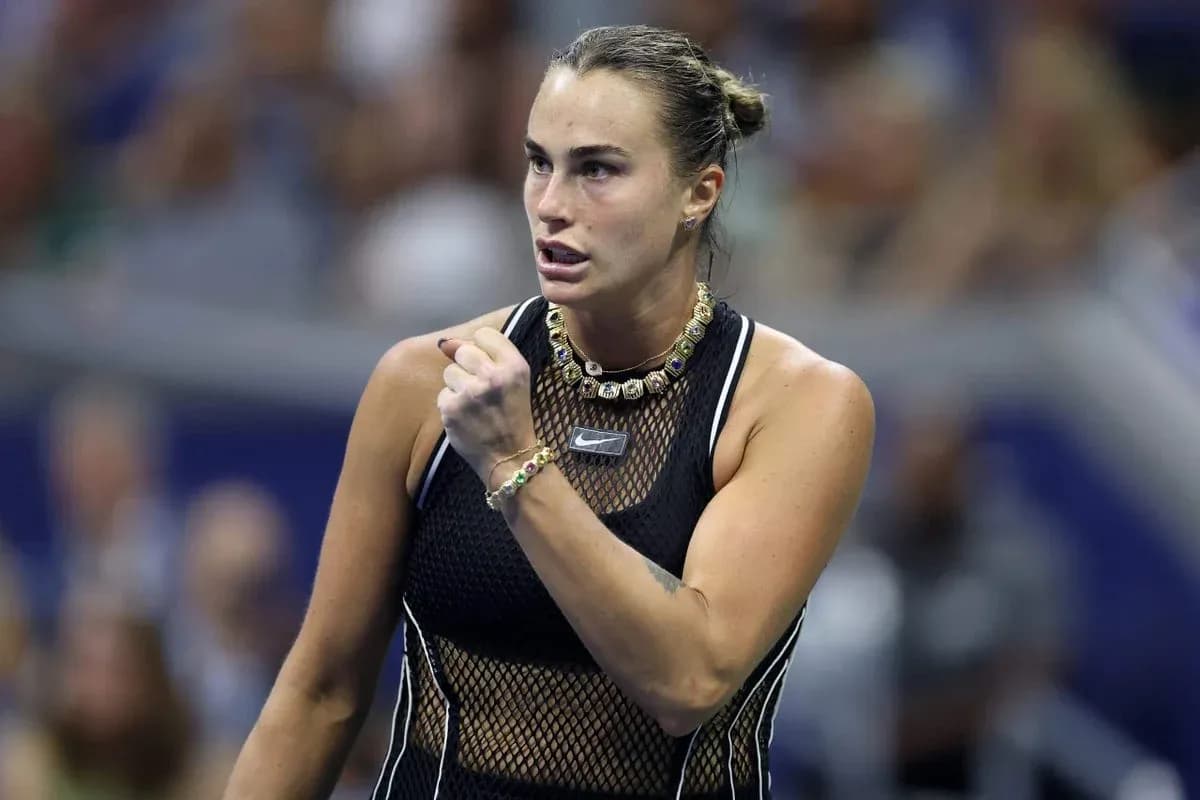
NEW YORK — On a thick, heavy night in Arthur Ashe Stadium, Aryna Sabalenka walked back into her element.
Another U.S. Open final. One match from a three-peat in New York. One match from turning a ragged, uneven season into something that looks a lot like dominance.
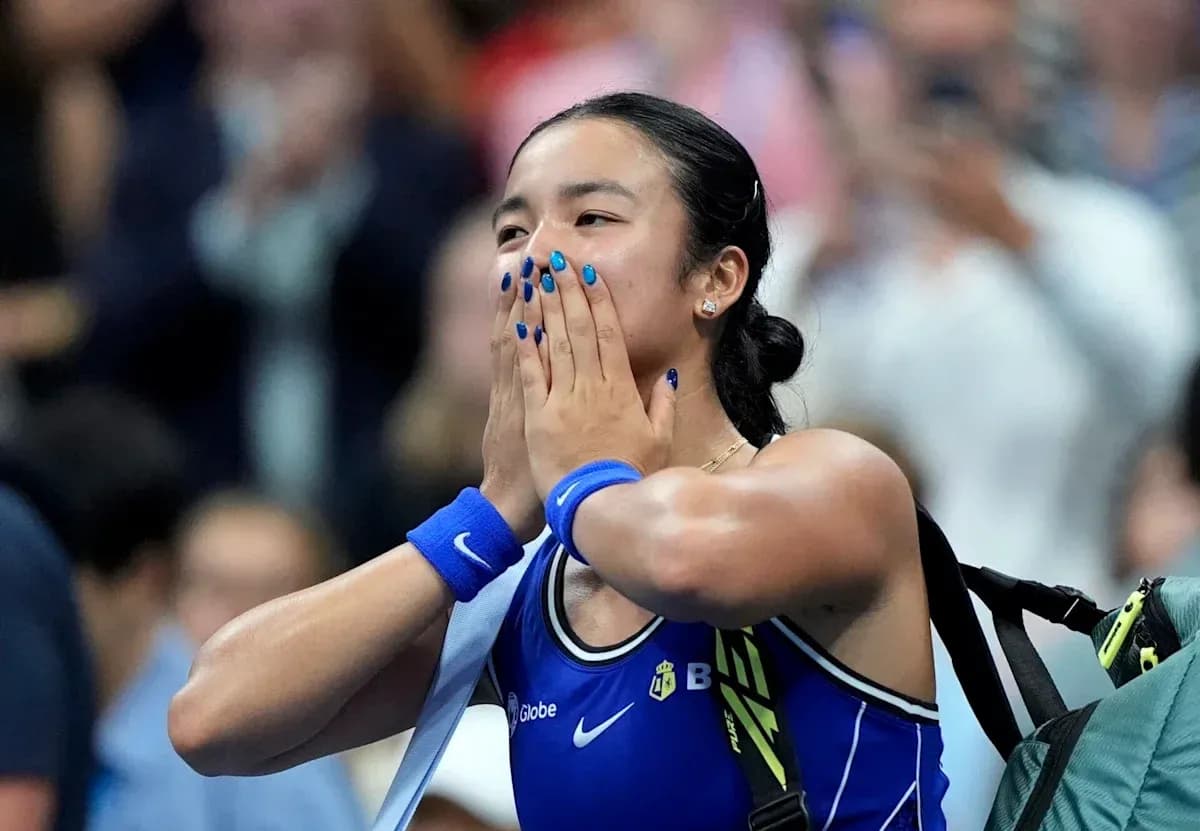
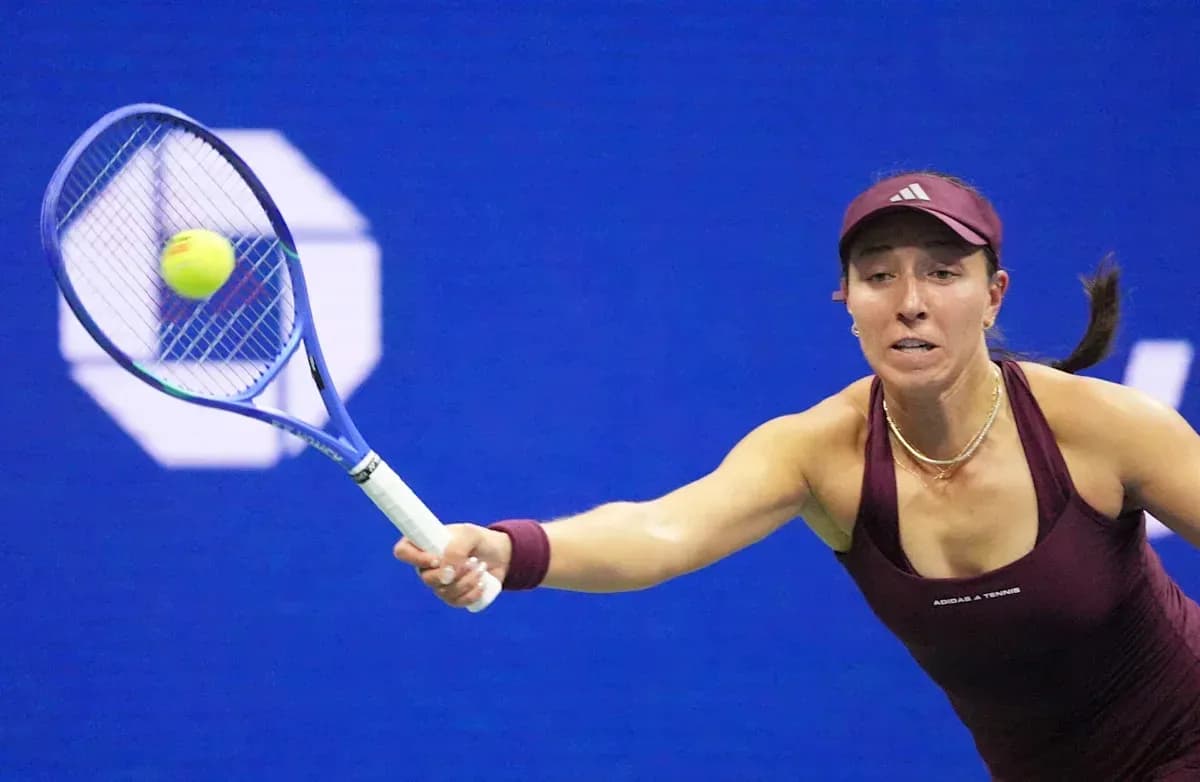
She got there by shutting the door on Jessica Pegula, 7-5, 6-2, in front of a crowd desperate to will the American into the final. Sabalenka never really let them.
The champion version returns
For four months, Sabalenka has looked human. Too human. The player who tore through the early part of the year had been replaced by one who sprayed errors in big moments, who let matches slip away more than opponents ripped them from her.
That version didn’t walk onto Ashe.
From the first game, Sabalenka played with the certainty of someone who knows exactly what this court does for her. The U.S. Open is supposed to be the hardest Slam to defend, the one that arrives when bodies are sore, minds are tired and patience runs thin. Sabalenka is trying to win it for the third year running.
“I feel confident and I feel mentally and physically really strong right now,” she said afterward, sounding every bit like a player who has rediscovered her edge.
The ranking will go, regardless of what happens in the final. Elena Rybakina will take over as world No. 1 on Monday. Sabalenka has made peace with that. The trophy is the thing. Always has been in New York.
Pegula’s plan, Sabalenka’s answer
Pegula came in with a blueprint. Hit flat. Hit hard. Aim through the middle, take away Sabalenka’s angles, and let the errors pile up on the other side of the net.
It had worked in Berlin. On grass, Pegula had handed Sabalenka a rare humiliation — a 6-0 set that exposed the Belarusian’s discomfort getting down to those low, skidding balls.
Hard courts in Queens are another world.
“Fast courts, but also bouncy a little bit,” Sabalenka said. “That really gives me more possibilities of, like, pushing her back.”
She did exactly that. Pegula’s flat pace sat up just enough for Sabalenka to lean on it, to step in and drive through the court. The rallies were sharp and short, the margins thin, but the weight of shot was coming from one side.
The first set turned into a test of nerve more than tactics. Eleven straight holds, both players taking care of serve, the stadium waiting for a crack. Pegula had just one break point; Sabalenka erased it with a heavy first serve and a forehand that exploded through the middle.
At 5-6, the pressure finally bit. Sabalenka’s depth forced two errors. Pegula, feeling the squeeze, double-faulted. On set point, Sabalenka went straight at her again, attacking down the middle. Pegula’s reply died in the net.
Set over. Match tilted.
No way out for the home hope
From there, Sabalenka tightened the screws. The second set was cleaner, more ruthless, the kind of front-running display that has defined her best hard-court work over the past four years.
She didn’t need a spectacular serving night. She landed just 55 percent of first serves, but the second delivery did the damage. Those twisting, kicking second serves dragged Pegula off balance, and Sabalenka gobbled up two-thirds of those points. When the American looked up, there were no escape routes.
Pegula, the world No. 3 and one of the most reliable deep runners on tour this summer — 22-5 since a first-round loss at Roland Garros — found herself talking down her own chances afterward, even with the memory of that Berlin win in her pocket.
She knew exactly what she had run into.
Once Sabalenka locked onto Pegula’s pace, the American felt boxed in. She even framed it against the two women Sabalenka could have faced in the final at the time she spoke.
“I’m not quite a Rybakina where I can serve myself out of trouble, and I’m not quite a Coco that can rely on insane athleticism,” Pegula said. “I do think the way she played tonight, I think she would have beaten anybody.”
There was humor, too. Pegula said she and her team had joked with Sabalenka’s camp afterward.
“We’re like, ‘Do you like us?’ Like, we’re good people, we’re pretty nice to you guys. Do you think that maybe one day she could be maybe off a little bit, so I could just, like, get a chance?”
On this night, there was no such mercy.
New York, again, and Rybakina next
Sabalenka finished it with a calm pump of the fist, not wild celebration. She has been here too often for that. This is her fourth straight U.S. Open final. She has won two. Add in four consecutive Australian Open finals and two titles there, and she has essentially owned the hard-court majors of this era.
The third Australian crown has eluded her, two finals lost in Melbourne. New York, she believes, is different. The city, the noise, the energy — it all feeds her.
“I just love New York and I love being here, and I love the energy of the city,” she said. “I think that’s what drives me. That’s what really inspires me and pushes me to keep going.”
She loves it so much she named her cavalier King Charles spaniel Ash.
Now comes Rybakina, the woman who will take her No. 1 spot, the player with the kind of serving power Pegula referenced as a lifeline in tight moments. It is a final loaded with contrast: Sabalenka’s raw, emotional force against Rybakina’s cool, stripped-down efficiency.
Sabalenka has already turned a shaky season into another Slam surge. One night remains to decide whether New York becomes her personal hard-court kingdom, or the moment the new No. 1 walks in and changes the story.