Atlanta Hawks: A New Identity for a Serious Run
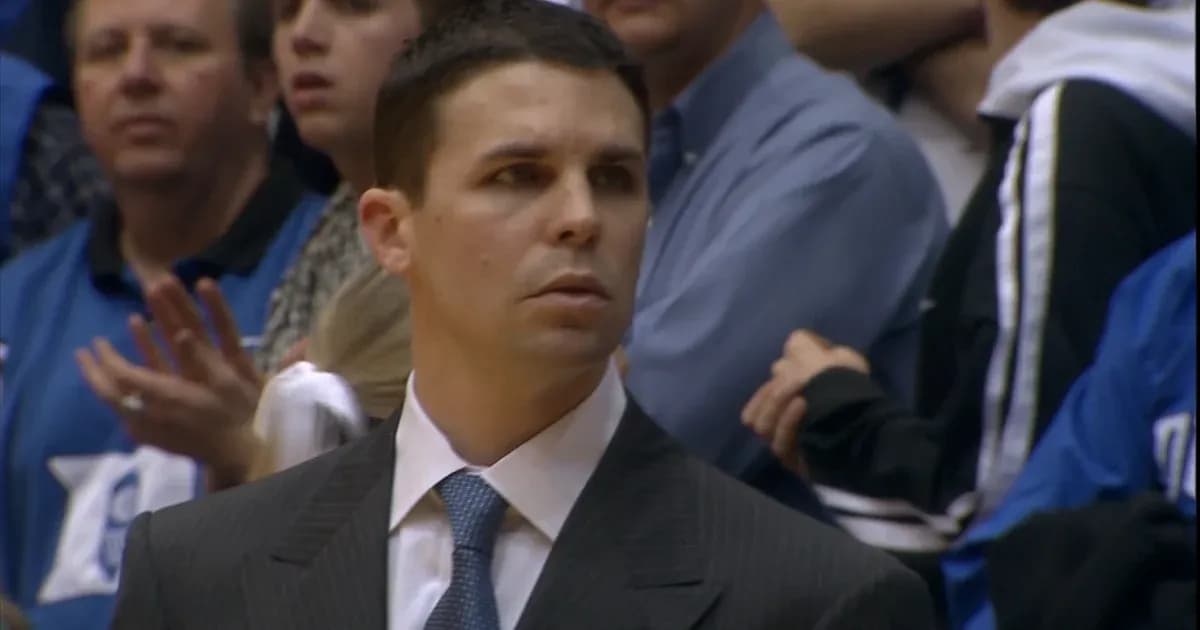
The Atlanta Hawks don’t feel like a team that just traded away a franchise star. They feel like a team that has quietly retooled for a serious run right now.
Last season ended at 46-36, sixth in the East, bounced in the first round. Respectable. Not memorable. But the second half of that campaign, and the way this roster now looks around Quin Snyder, tells a very different story.
A New Identity, Built on Stops and Depth
Start with the number that matters most: plus-11.0.
That was Atlanta’s jump in net rating after the All-Star break, the biggest post-break improvement by any team in the last 27 years. Before the break, they sat at minus-1.3 points per 100 possessions (19th). After it, they roared to plus-9.7 (4th). That doesn’t happen by accident.
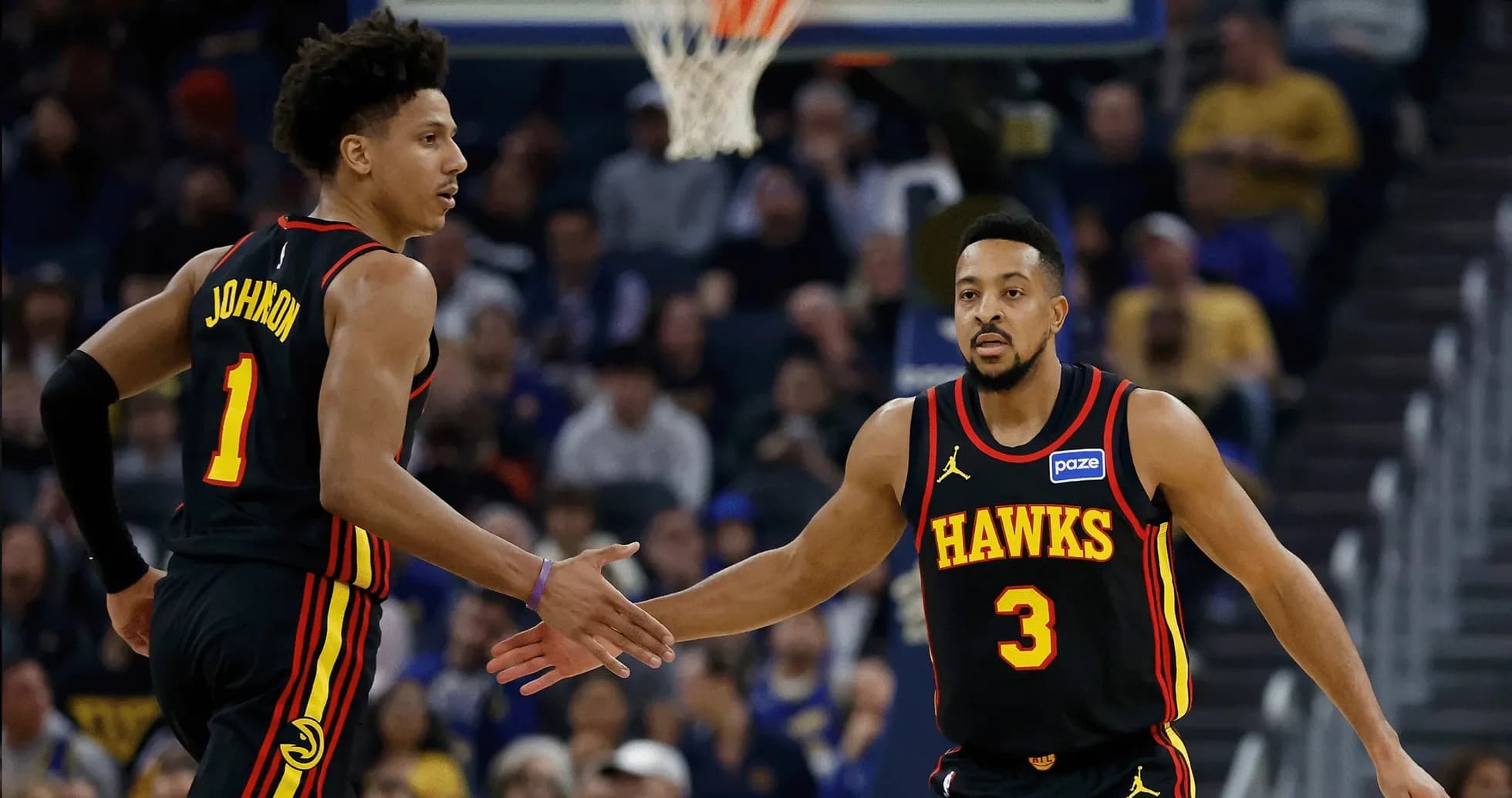
CJ McCollum was the pivot point. The Hawks didn’t get younger or stockpile picks when they moved Trae Young; they got better today. With McCollum in the lineup, they went 27-14, climbing from ninth to sixth in the East over the final two months. The schedule softened, yes, but the impact was real. Atlanta suddenly looked organized, composed, and dangerous.
Now, that version of the Hawks gets reinforcements.
Luguentz Dort, Aaron Wiggins, Kingston Flemings, Zuby Ejiofor, Ryan Nembhard and Henri Veesaar arrive to deepen a roster already built around length and defensive bite. On the perimeter, Snyder can roll out Dyson Daniels, Nickeil Alexander-Walker and Dort, three guards and wings who all relish making life miserable for opposing ball-handlers.
This isn’t the old Hawks, built around a single offensive engine. This is a team that can switch, press, and swarm.
Jalen Johnson’s Leap and a New Core
The centerpiece of it all is Jalen Johnson, who didn’t just “break out” last season; he vaulted into stardom.
First All-Star. First All-NBA nod. A stat line that reads like a franchise cornerstone: 22.5 points, 10.3 rebounds, 7.9 assists and 1.2 steals per game. Johnson controlled games as a scorer, playmaker and rebounder, and he did it without monopolizing the ball.
Alongside him, Nickeil Alexander-Walker made his own leap, walking away with Most Improved Player honors after averaging 20.8 points, 3.7 assists and 3.4 rebounds on elite efficiency: 45.9% from the field, 39.9% from 3 and 90.2% at the line. He went from intriguing rotation guard to legitimate 20-a-night option.
Add McCollum’s 18.7 points per game and suddenly Atlanta has three players hovering around the 20-point mark, all capable of creating their own shot and all comfortable sharing the ball.
On the interior, Onyeka Okongwu quietly continues to round out the core. His 15.2 points, 7.6 rebounds and 3.1 assists hint at a big who can finish, facilitate and anchor the defense. He fits perfectly with Snyder’s vision of a mobile, aggressive front line.
Snyder’s Blueprint: Threes, Turnovers, and Choices Everywhere
Quin Snyder’s philosophy is clear. He wants a defense that digs the ball loose and turns it into easy points. He wants his team firing close to 40 threes a night. Pace, pressure, and spacing.
The personnel now matches the plan.
If Snyder leans into a starting lineup of McCollum, Alexander-Walker, Daniels, Johnson and Okongwu, he gets shooting, playmaking, size and defensive versatility at every spot. That group already posted a 20-10 record with a monstrous plus-20.3 net rating last season.
This year, Snyder can tweak that look without sacrificing much of anything. Dort, Wiggins, Jock Landale, Ejiofor, Flemings, Asa Newell, Buddy Hield, Corey Kispert and Nembhard give him the kind of depth that lets him tailor lineups to matchups rather than survive them. Need a stopper? Dort. Need more shooting? Hield or Kispert. Need energy and length up front? Newell or Ejiofor.
The Hawks finished 14th in offensive efficiency and 10th in defensive efficiency last season. Both marks can climb if the rotation clicks. They already showed in the playoffs that they’re closer than people think: they led the eventual champion New York Knicks 2-1 in the first round and stole more games off the champs (two) than the Knicks’ other three opponents combined (one).
Atlanta wasn’t just a speed bump. They were a warning.
The Wiggins Wild Card
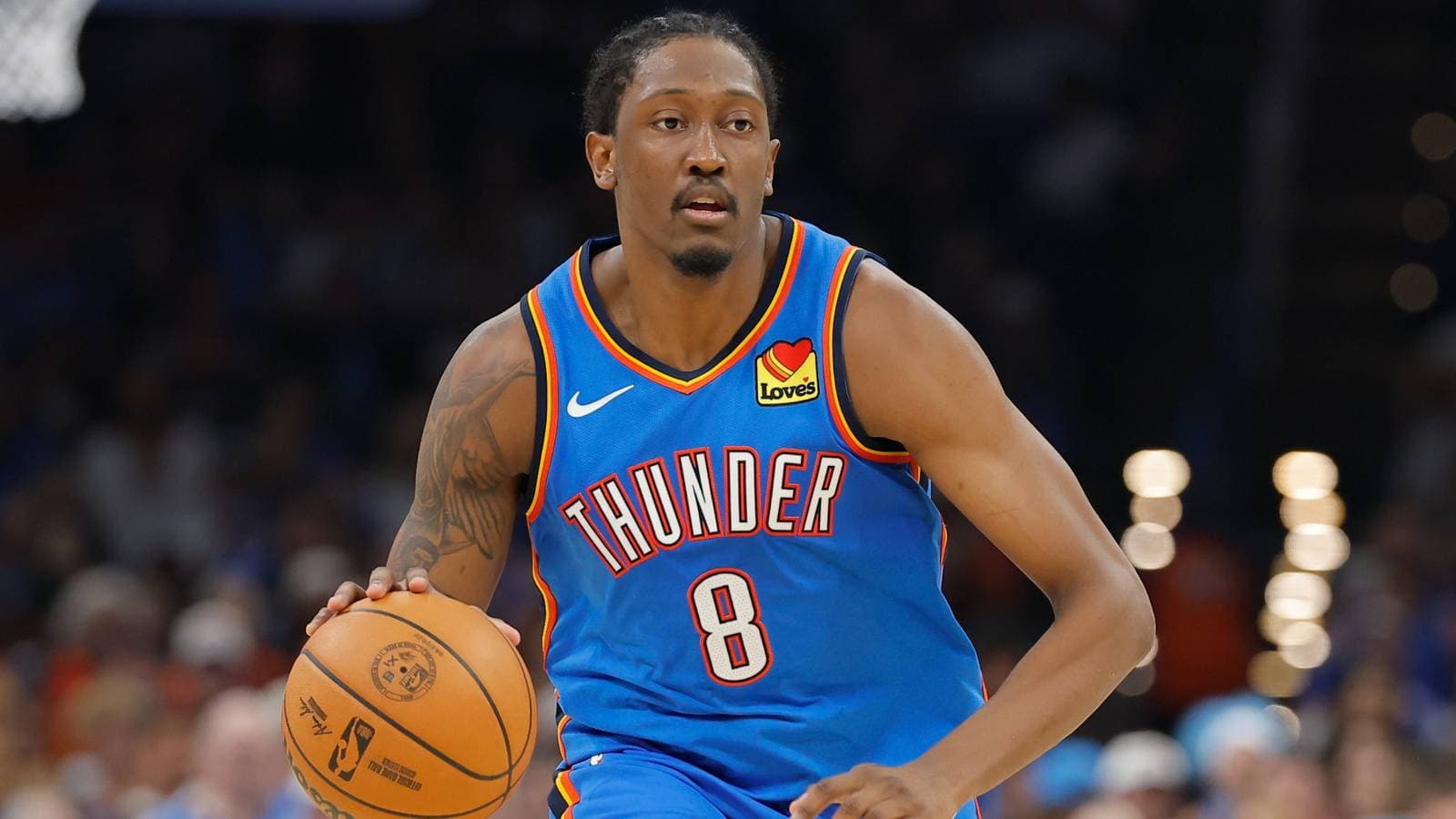
Every deep team needs a swing piece, and Aaron Wiggins might be that player.
He was a key contributor to Oklahoma City’s 2025 title and their 2026 Western Conference Finals run, but never fully unleashed. In five seasons with the Thunder, he topped 24.2 minutes per game only once — his rookie year in 2021-22 — and has averaged double figures in scoring just one time (12.0 points in 2024-25).
The efficiency, though, has always been there. Wiggins is a 48.7% shooter from the field and a 38% shooter from three for his career. On a team that already shoots the ball well from deep but needs sharper efficiency, he fits like a glove.
Give him more minutes in this system, with this spacing, and his scoring should rise. On a roster full of names, Wiggins might be the one who turns a good second unit into a winning one.
A Rookie to Watch and Battles on the Bench
Atlanta’s depth creates problems of the good kind.
Snyder has two big preseason questions: who starts, and how deep does he go?
Last year’s dominant lineup with McCollum, Alexander-Walker, Daniels, Johnson and Okongwu is the obvious template, but Dort and Wiggins both have starting-caliber cases. Snyder has to decide who thrives with the opening group and who punishes second units off the bench.
Then there’s Kingston Flemings, the lottery pick. His development will be a preseason storyline worth tracking, especially as he learns under McCollum’s guidance. If Flemings adapts quickly, the Hawks add yet another ball-handler who can attack, create and shoot.
Behind Johnson at power forward, the backup role is up for grabs. Mouhamed Gueye, Asa Newell and rookie Zuby Ejiofor are locked in a three-way fight for those minutes. Whoever emerges gives Snyder one more athletic, energetic body to throw into an already relentless rotation.
Dates That Will Define Them
The regular season offers a handful of early tests and emotional flashpoints.
On Oct. 21, the Hawks host the Orlando Magic in a game that should immediately set the tone in a loaded Southeast Division. Last season, the top four teams in the division were separated by just three games. These two finished 1-2. The margin is thin, the stakes are not.
Nov. 29 brings the Knicks back to Atlanta, a rematch of that 2026 first-round series. The Hawks led 1-0 and 2-1 and made New York look anything but like a future champion before the Knicks ripped off three straight wins and then stormed through the rest of the playoffs. That night will carry a little extra bite.
Feb. 1 in Washington circles another storyline: Trae Young’s first game against the Hawks in Atlanta since the trade. Emotions will run high, and so will the scrutiny on whether this new version of the Hawks has truly moved on.
A week later, on Feb. 8, the Heat visit in a matchup that could shape the top of the Southeast just days before the Feb. 11 trade deadline. By then, the Hawks will know if they’re buyers, sellers, or standing pat with a contender.
And as the regular season winds down, April 4 in Philadelphia looms large. It will be Atlanta’s eighth road game in an 11-game stretch, against a star-studded 76ers team, at precisely the time when seeding and momentum matter most.
From Promise to Proof
The Hawks have already shown what their ceiling can look like: a top-four net rating team after the break, a group that pushed the eventual champions harder than anyone else, a roster that only got deeper and more rugged over the summer.
Now comes the harder part.
Turning that late-season surge into an 82-game identity. Turning depth into defined roles. Turning potential into wins against teams that don’t blink in May and June.
Atlanta has the numbers, the pieces, and the coach. The question is no longer whether they can surprise people.
It’s whether they’re ready to stop being a surprise at all.