Barcelona's January Centre-Back Search: Gvardiol, Bastoni, and More
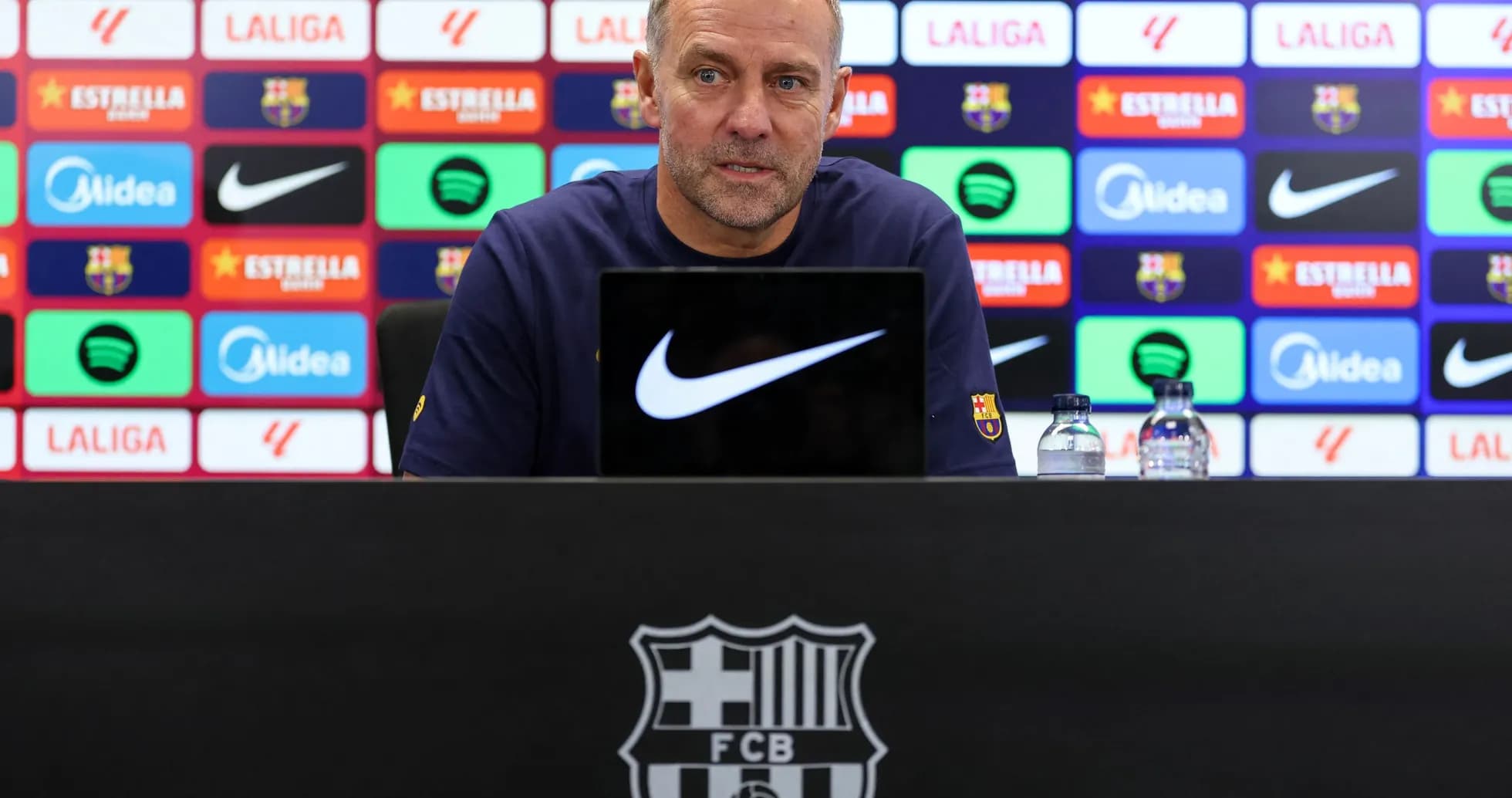
Hansi Flick has stopped hinting and started talking plainly. Barcelona’s coach has opened the door to signing a centre-back in January, admitting the club are actively exploring ways to reinforce a back line that looks fragile and thin.
Injuries have stripped away his options. Performances have underlined the problem. The message now is clear: if the market offers a solution that fits, Barça will move.
Speaking before the clash with Alavés, Flick laid out the internal debate without dressing it up. The club, he said, are in constant conversation about how to raise the level of the team. He explained that he has already sat down with Deco, Bojan and his coaching staff to examine the issue in detail, stressing that they “always talk about what is best for the team and how we can improve,” and that “if it is possible, we will do it.”
That “it” is a central defender. And the shortlist is not a modest one.
Gvardiol tops a demanding list
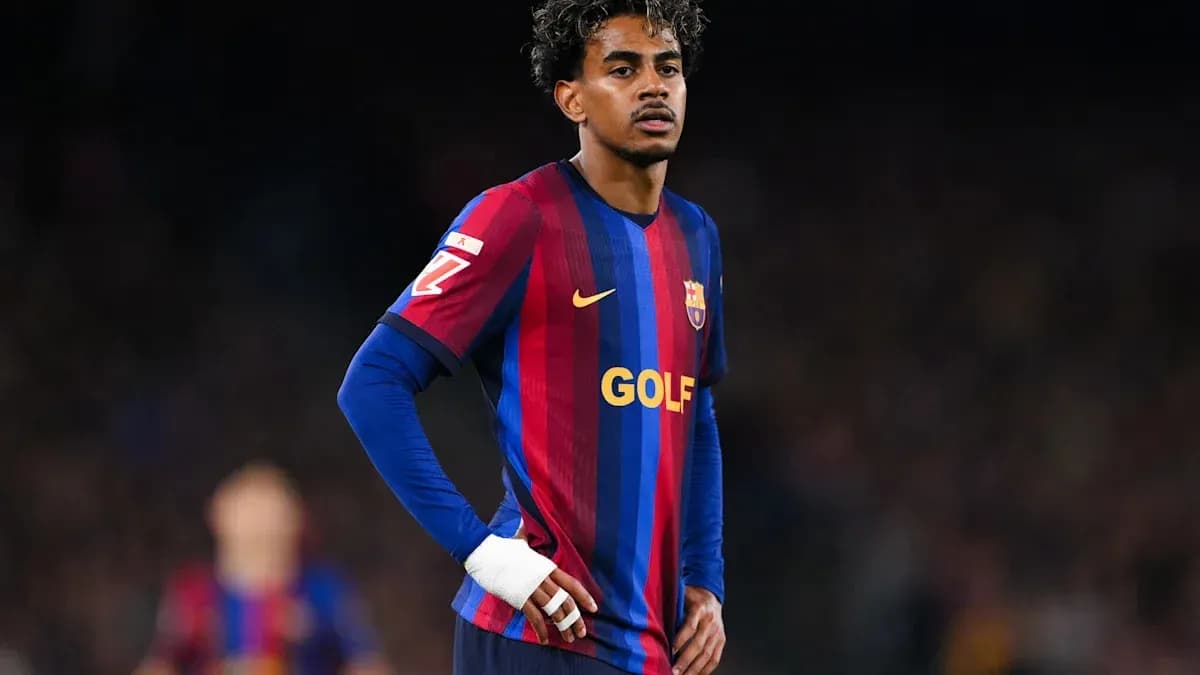
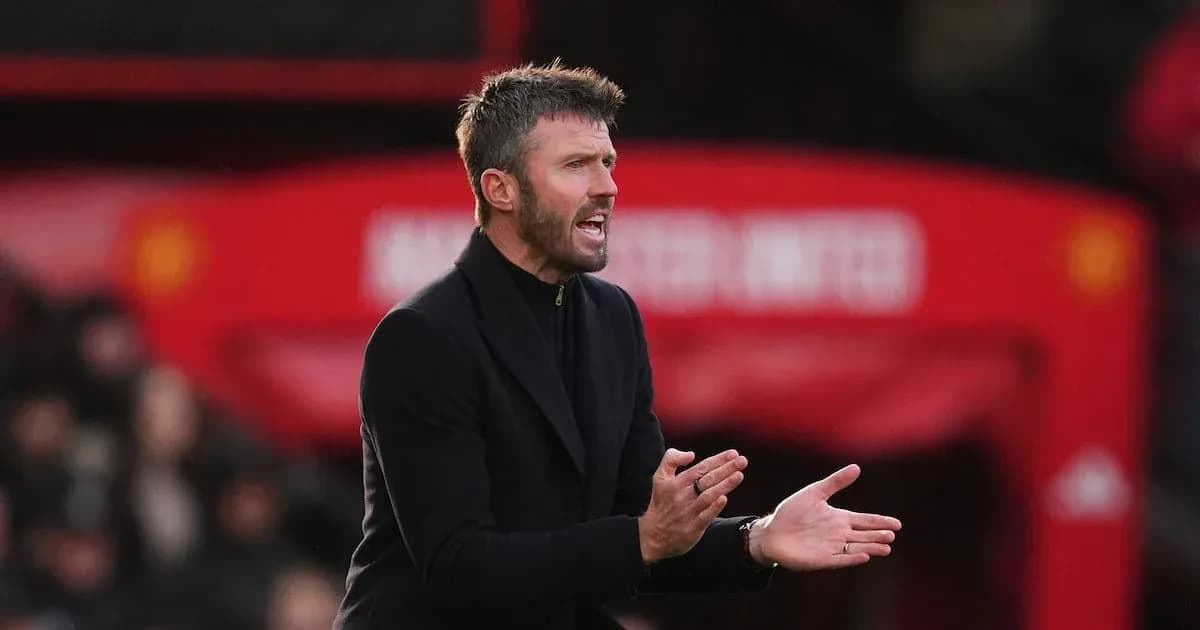
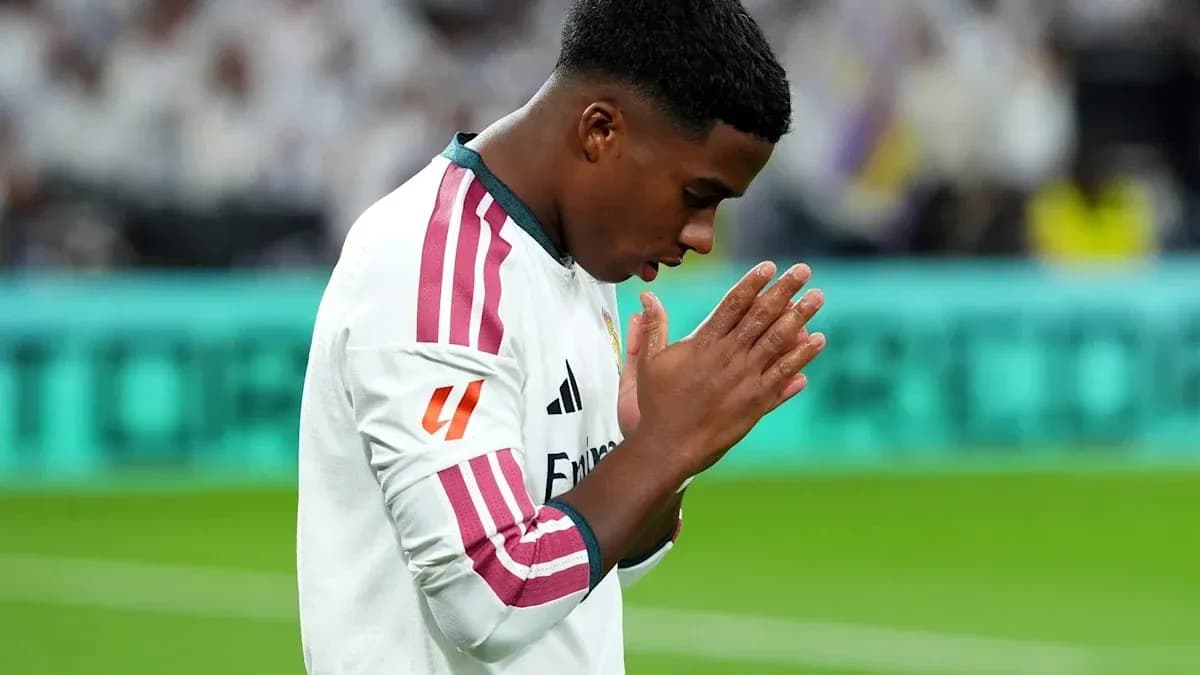
According to Spanish outlet Mundo Deportivo, four names sit on Barcelona’s immediate radar: Josko Gvardiol of Manchester City, Inter’s Alessandro Bastoni, Manchester United’s Lisandro Martínez and Real Betis defender Natan.
Gvardiol is the headline act. Young, left-footed, elite on the ball and already proven at the highest level, he ticks almost every box for a modern Barça centre-back. He also has a contract at City until 2031, which makes any approach an exercise in negotiation brinkmanship and financial strain. The Catalan club know it. So do City.
The Croatian still stands out as the dream target, the kind of signing that would reshape the defensive hierarchy for the next decade. But right now, he looks like the most complicated operation on the list.
Bastoni divides opinion
Bastoni, on paper, feels like a natural fit. A key pillar at Inter, comfortable stepping into midfield, and a defender with Champions League pedigree. Deco is understood to be particularly keen on him, seeing the Italian as a player who could slot straight into Flick’s structure.
Flick himself, though, is not entirely convinced. The German coach has not given Bastoni the same full-throated backing that Deco has, and that difference in enthusiasm matters at a club where every transfer must align with a clear sporting plan. Bastoni remains on the list, but not at the top of it.
Martínez and Natan: realistic routes
Lisandro Martínez and Natan sit in a different bracket: still ambitious, but more realistic.
Martínez brings edge and leadership, a defender who relishes duels and can build from the back. His profile suits Flick’s idea of an aggressive, proactive line, and he would arrive with the experience of English football and Argentina’s international set-up behind him. In theory, he is more attainable than Gvardiol, though any move would still depend on his club’s stance and Barça’s financial room to manoeuvre.
Natan, meanwhile, represents the most pragmatic option. He already knows La Liga, he is performing at a strong level for Real Betis, and crucially, he could be available for what the club regard as a reasonable fee. That combination of familiarity, form and affordability makes him an attractive candidate for a January move, especially if the market turns hostile at the top end.
If Barça need a defender who can adapt quickly and not blow up the budget, Natan’s name will not leave the table.
Future planning: Jeltsch and Lukeba in the background
The recruitment debate is not limited to the winter window. Barcelona are also casting their net wider, tracking young talents who could shape the defence in the coming years.
Among those being monitored are Stuttgart’s Finn Jeltsch and Leipzig’s Castello Lukeba. They are not January priorities in the same way as Gvardiol, Bastoni, Martínez or Natan, but they form part of a broader scouting push: identify defenders early, bring them in before their price soars, and rebuild the back line with a long-term spine.
For a club that has often paid a premium for defensive fixes, that shift in strategy matters.
Money, sales and the Balde question
All of this, though, crashes into the same wall: finances. Any signing must fit within Barcelona’s tight economic framework and La Liga’s restrictions. The cost of a new centre-back and the need to generate income through sales will heavily influence what is actually possible in January.
One of the names that could come into play is Alejandro Balde. The left-back remains a valuable asset and a symbol of the academy’s production line, but he is also one of the players who might command a significant fee if the club decide they have to sell to buy. The idea of moving him on is not a simple sporting decision; it is a financial calculation that could define the shape of the squad.
If a major defensive signing depends on a departure, the board will have to decide how far they are willing to go to reshape Flick’s back line mid-season.
A clear shift from summer
The change in tone from Flick is striking. In the summer, he chose continuity at the back, preferring to work with what he had and channel resources into strengthening the attack. The priority then was to sharpen the team going forward.
A few months and a series of defensive concerns later, the stance has evolved. Reinforcing the defence is no longer a topic for internal debate alone; it is a live option as the winter window approaches.
The question now is not whether Barcelona need a centre-back. Flick has answered that with his openness. The question is which name on that carefully drawn list will walk through the Camp Nou doors in January — and what price the club will pay, on and off the pitch, to make it happen.