Ben Shelton Upsets Carlos Alcaraz in US Open Thriller
Ben Shelton has played big matches in New York before. He has hit big serves, thrown big roars, ridden big crowds. But nothing like this.
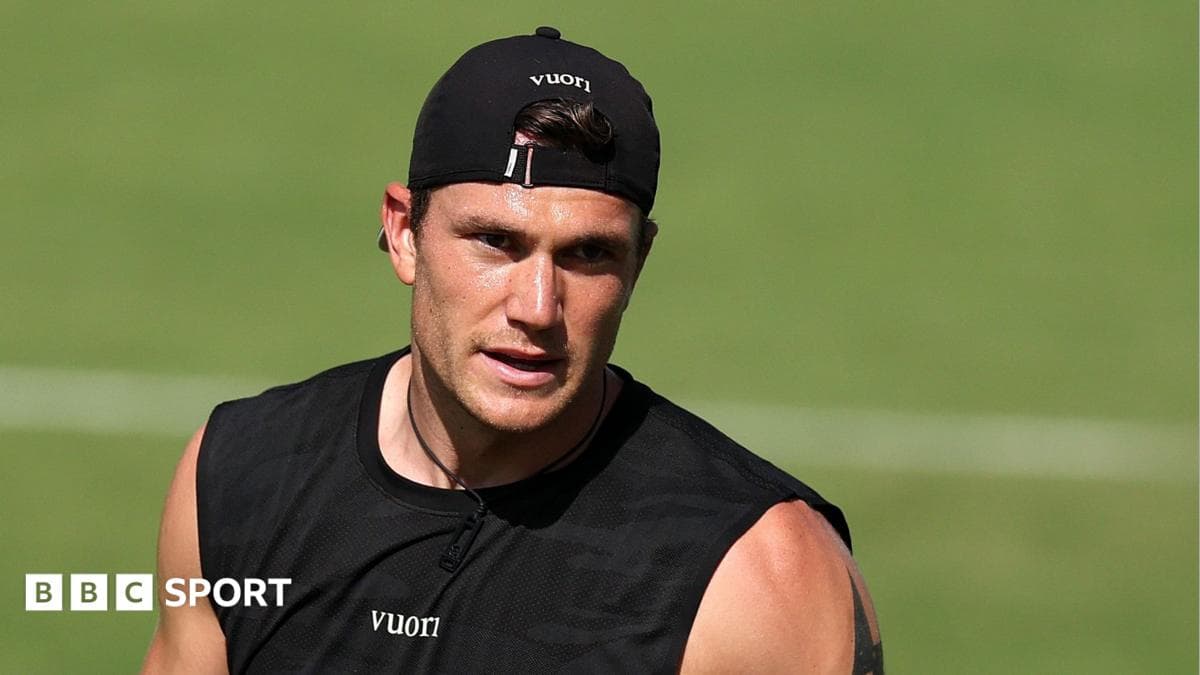
Under the Arthur Ashe Stadium lights that refused to blink, the 23-year-old American took down defending champion Carlos Alcaraz in a five-set street fight that ended at 3.33am, the latest finish in US Open history. The scoreline – 6-7 (5-7) 6-1 6-1 1-6 7-6 (10-7) in four hours and 28 minutes – only hints at the chaos.
It was the biggest win of Shelton’s career, his first ever against a top-three player after an 0-17 start in that weight class. It felt like a barrier breaking.
He didn’t do it quietly. He did it with a 146mph exclamation mark.
New York, noise and a breakthrough
From the first ball, the night belonged as much to the crowd as to the players. USA chants rolled down from the upper deck, bouncing off the closed roof, growing louder as the clock pushed past midnight and into absurd territory.
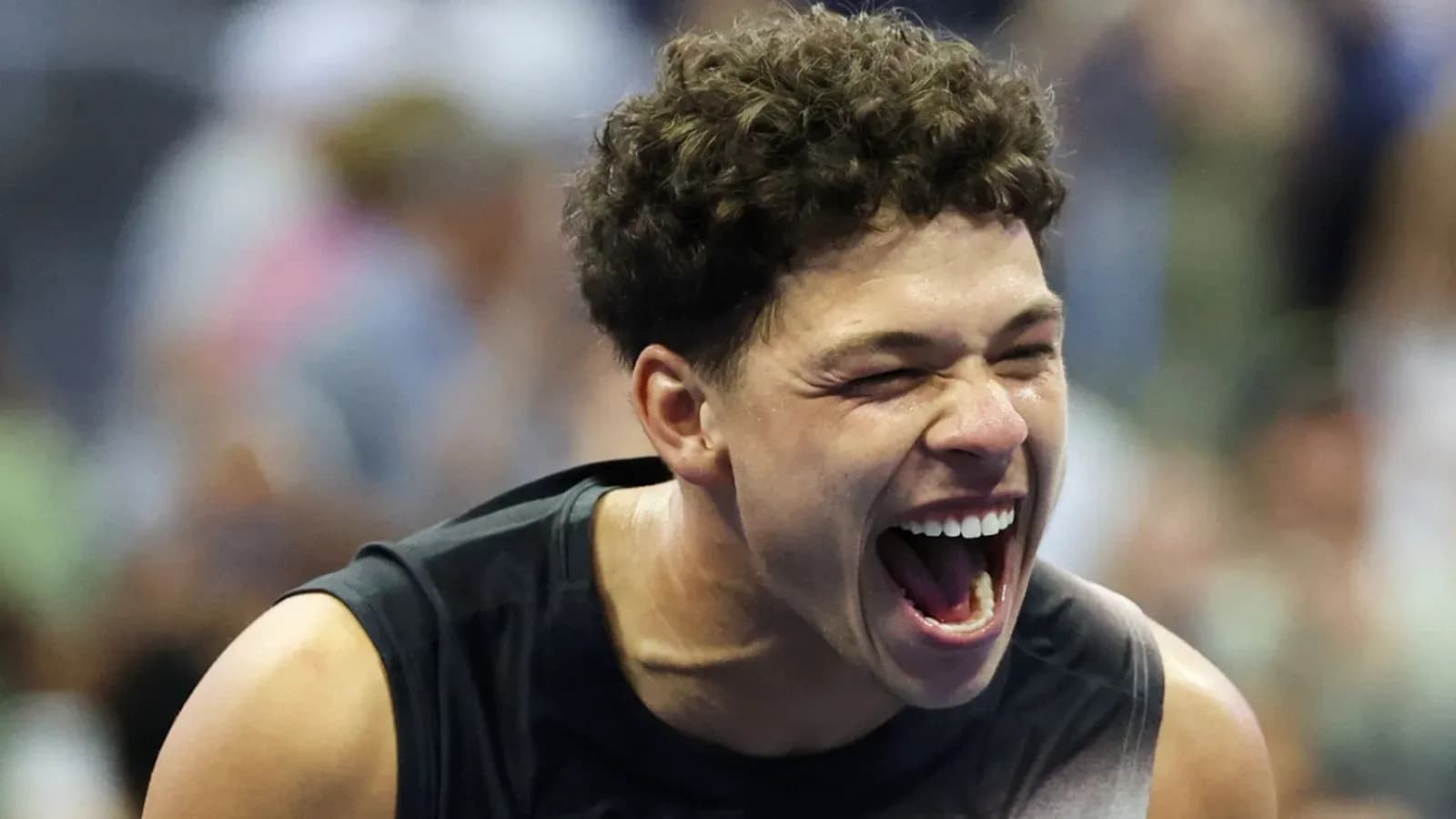
“For me it's always about the people in the crowd,” Shelton told them on court, still buzzing, sweat-soaked, voice cracking with adrenaline. He spoke of his coaches, his friends, his family, of “the city of New York that showed up tonight until 3am” and dragged him through the pain. He called it the greatest sports city, Arthur Ashe the greatest stadium in the world. Then, with a grin, he wondered aloud if his best friend and sister really had to be at work at 6am.
He looked like he could have played another five sets. They looked like they might have stayed.
Shelton had come into the night with pedigree but also with scars. A semi-finalist here in 2023, a last-four man at the 2025 Australian Open, he had flirted with the sport’s highest tier without quite kicking the door down. Alcaraz, seven-time major champion and the standard-bearer of his generation, was exactly the kind of opponent who had kept him on the outside.
The Spaniard arrived in New York after more than four months out with a wrist injury, his participation in doubt right up to the tournament. This was his first event since April, and he had played himself into form, into belief, into the kind of defiant rhythm that usually crushes challengers.
A wild, swaying five-setter
When Alcaraz edged the opening tie-break 7-5, it felt familiar. Shelton had matched him in pace and power, only to blink in the narrowest of margins. Against a player like Alcaraz, that is usually the start of the end.
Shelton refused that script.
He stormed through the next two sets with a ferocity that stunned even a crowd that has seen almost everything. Nine straight games flew by in a blur of first-strike tennis – 6-1, 6-1 – as the American ripped returns, hammered serves and walked to his chair like a man who had just found the code to the lock.
Alcaraz looked rattled, then angry, then proud. Champions don’t go quietly, and he didn’t. The fourth set flipped again, the Spaniard reasserting himself, stepping in on the baseline, dragging Shelton into longer rallies and drawing errors. 6-1 to Alcaraz, and suddenly the match felt less like tennis and more like a pendulum, swinging wildly, daring either man to grab it.
The fifth set became a test of nerve as much as legs. Alcaraz, visibly struggling, was seen vomiting before the decider began, yet he kept going, kept chasing, kept swinging. The match bled into a 10-point tie-break, the sport’s modern, brutal coin toss.
Alcaraz surged first, winning four points in a row to lead 5-3. In that moment, with the clock creeping toward 3.30am and history weighing on Shelton’s shoulders, the defending champion looked ready to escape again.
Shelton didn’t flinch. He clawed his way back, point by point, feeding off the noise, riding the tension. Then, in the most “Shelton” way possible, he finished it: a 146mph serve, a blur down the T that Alcaraz could only flail at. The ball flew long. The stadium detonated.
Shelton dropped his racket, arms wide, soaking in the roar. This wasn’t just a win; it was a statement that the American isn’t content with cameos in the second week anymore.
His reward? An all‑American semi-final against Frances Tiafoe – and a guarantee that the United States will have a man in Sunday’s final for the first time since Andy Roddick lifted a major trophy back in 2003.
Tiafoe drags himself back from the brink
If Shelton lit up the early hours, Tiafoe had already laid down his own epic. On the same court, just a little earlier, the 11th seed looked finished, flat and out of ideas against compatriot Alex Michelsen.
Two sets down. Then 0-3 in the fifth. At that point, most players are thinking about the press conference, not the next round.
Tiafoe thought about something else.
He clawed his way back to beat Michelsen 5-7 3-6 7-5 6-3 7-6 (10-6), reaching the US Open semi-finals for a third time and joining Andre Agassi as the only American men this century to achieve that mark. The comeback was as much about stubbornness as shot-making.
He admitted it himself. At 4-5 down in the third set, he said he simply hoped Michelsen “gets tight”. The younger man did. A couple of double faults opened the door, and Tiafoe barged through. He “snuck out the third set” and then, as he put it, slowly started playing better and better.
The numbers underlined Michelsen’s threat. The 22-year-old, in the deepest major run of his young career, hammered 21 aces and looked, for long stretches, like the more composed player. He led the match, controlled the scoreboard, and had the finish line in sight.
Then it vanished.
When the final point landed and the tie-break belonged to Tiafoe, the veteran’s celebration was brief. He walked straight to Michelsen, wrapping him in an emotional embrace, understanding exactly what the younger American had just lost – and what he had just shown.
“He is a hell of a player. He should've easily won today,” Tiafoe said, tipping his cap to the man who had pushed him to the edge.
The crowd, sluggish early, woke up with the match. Tiafoe joked that “everyone was sleeping in the first couple of hours and I was asleep with you all,” but as the drama built, Arthur Ashe came alive again, roaring him into a semi-final that also sends him back into the world’s top 10 for the first time in three years.
Agony, ecstasy and an all‑American collision
For Michelsen, the defeat cut deep. On commentary, Laura Robson captured the sting. She spoke of the tears that came from Michelsen, calling it “like a punch in the gut”. She has been there herself – close to the line, the match on your racket, and then the creeping realisation that you “kind of did choke a little bit”. It is, she said, “the absolute worst”.
Yet even in that brutality lies the story of American men’s tennis right now: young talent pushing established names, matches decided by inches, and a Grand Slam semi-final that will feature two homegrown stars in front of a home crowd that has waited more than two decades for a men’s champion of its own.
Shelton versus Tiafoe will be loud, bold and unapologetically American. One man is the booming, fearless newcomer who just toppled a seven-time major champion at 3.33am. The other is the showman who has carried the flag through lean years and now stands back in the top 10.
New York will pick a side. The country will pick a favourite. Only one of them will walk out on Sunday with a chance to end a drought that has lasted since 2003.