Carlos Alcaraz Faces American Hopes at US Open
It might be Carlos Alcaraz against an entire nation over the coming days in New York.
The world’s most electric player walks back into Arthur Ashe Stadium as defending US Open champion, a seven-time major winner, and the man standing between America and a long‑craved home men’s singles champion for the first time since 2003. If the script follows rankings and reputation, Alcaraz could personally shut the door on every remaining US hope in the men’s draw.
Three Americans are left. All of them share his half. All of them, in one way or another, stand in his path.
Alcaraz versus the American wave
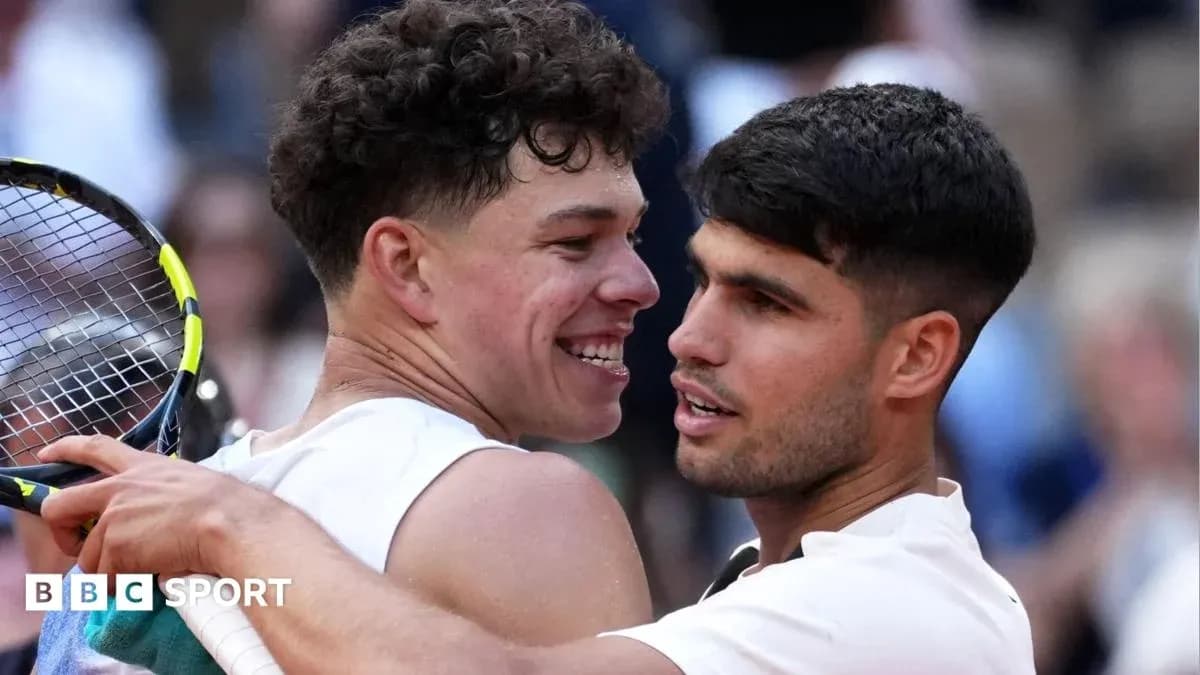
On Tuesday night, the stakes spike immediately: Alcaraz against Ben Shelton in a quarter-final that feels bigger than its billing. Shelton, the eighth seed, is chasing a second US Open semi-final and will have the full roar of 24,000 New Yorkers at his back.
Alcaraz knows it.
"I think he [will] use the crowd, the people behind him, especially when he's playing here at home," he said, already bracing for the noise and the energy that Ashe can generate when one of its own starts to surge.
If the Spaniard weathers that storm, the challenge only grows more partisan. Waiting for him in the semi-finals will be another American: either Frances Tiafoe or Alex Michelsen. Beat one of them, then win the final, and the drought that began after Andy Roddick’s 2003 title would roll on into a 24th year.
The equation is stark. If Shelton finds a way to beat Alcaraz for the first time, the United States is guaranteed a finalist. If he doesn’t, the burden of ending an era of frustration shifts to Tiafoe or Michelsen.
A generation chasing Roddick’s shadow
American men’s tennis has not disappeared from the sharp end of this tournament. Far from it. Semi-final runs have come and gone, with regular home presence deep into the second week. Yet since Roddick’s last US Open final in 2006, when he lost to Roger Federer, only Taylor Fritz has pushed through to the title match, losing to Jannik Sinner two years ago.
Tiafoe knows that pain and that stage. The 11th seed fell to Fritz in that all-American semi-final, and two years before that he was taken out by Alcaraz at the same point in the tournament. Now 28, he is chasing a third shot at his first Grand Slam final.
His form suggests this is no nostalgia run. Tiafoe reached the Cincinnati final last month and has carried that level into New York, feeding off the city’s energy in the way only he can.
"It's an out-of-body experience, no question. No real explaining that type of feeling," he said of the Ashe atmosphere. "It's like you're not even touching the ground at one point. Energy is so high, and it seems like the level of play matches that."
When Tiafoe gets rolling, the stadium feels less like a court and more like a stage. He dances, he talks, he pulls the crowd into the match. He is one of the sport’s great showmen.
Across the net from him, though, may stand a very different American story.
Michelsen steps into the spotlight
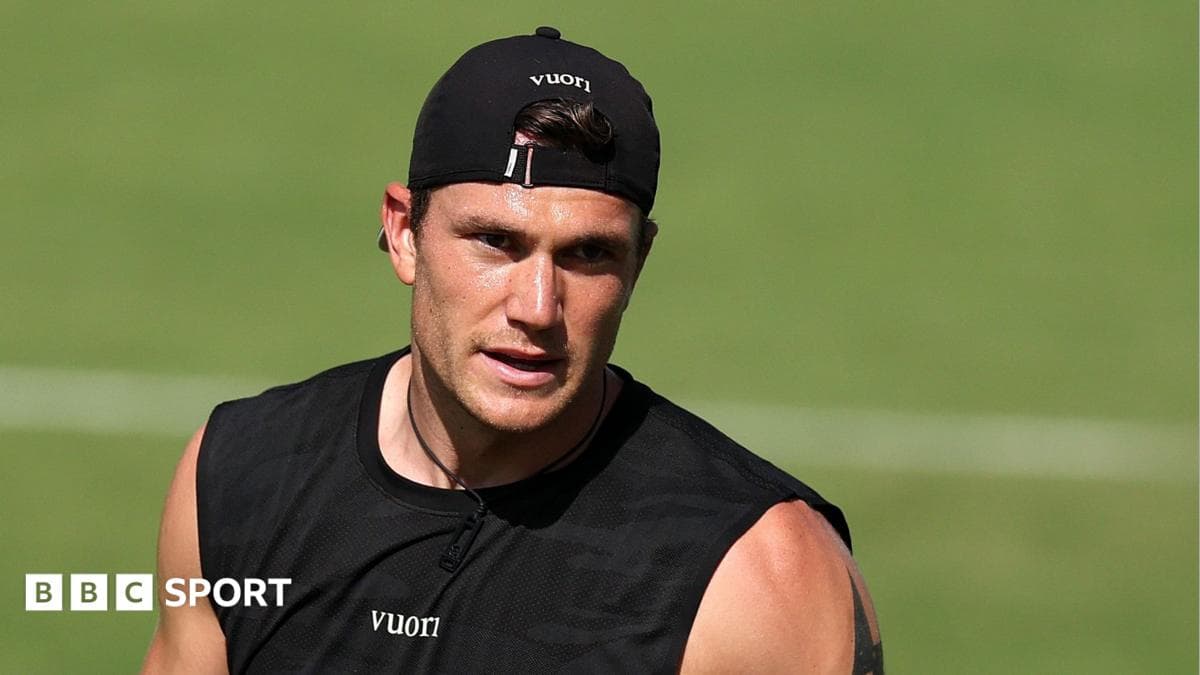
Alex Michelsen, 22, is not built for the spotlight in the same way. At least, not yet. The world number 46 has glided into his first Grand Slam quarter-final without dropping a set, all while staying largely "under the radar," as he put it, while bigger American names such as Tiafoe, Shelton, Fritz and Tommy Paul soak up the attention.
That anonymity ends now.
A quarter-final on Ashe, with a place in the last four of a major at stake, offers no hiding place. Michelsen is clear-eyed about the nerves that come with it.
"First, second, third rounds, all matches I'm feeling nerves. It's a human experience," he said. "But it's just about going out there and managing them to the best of my ability. I feel like I've done that very well."
If he manages them again, and if Alcaraz survives Shelton, a first-time major semi-finalist will stand opposite a man who already owns this court. One understated, one already a global superstar. Both trying to rewrite the American men’s narrative in their own way.
Home hopes on both fronts
The American surge in New York is not confined to the men. Six players from the United States, three men and three women, have reached the last eight at Flushing Meadows this year – the highest total since 2002. At least one American woman is guaranteed a semi-final place.
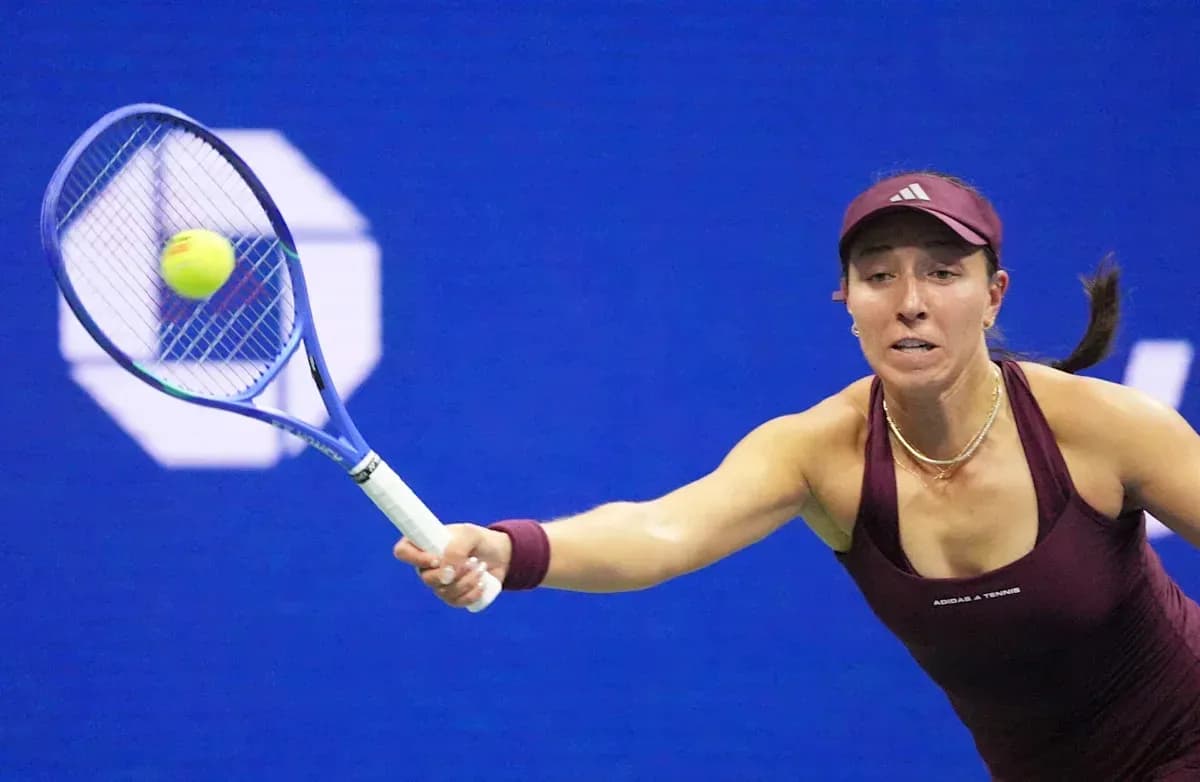
On Tuesday, third seed Jessica Pegula meets Emma Navarro in an all-American quarter-final that pits consistency against resurgence. Pegula, 31, has become one of the most reliable performers on the WTA Tour but still searches for her first major title. She reached the US Open final in 2024, only to lose to Aryna Sabalenka, the same player who beat Navarro in the semi-finals that year.
Navarro, 25, has had to fight a different kind of battle this season. She stepped away from the tour earlier in the year because of health issues, and now finds herself back on Ashe, rediscovering her best form at the perfect time.
After beating Russian 21st seed Anna Kalinskaya in the last 16 on that same court, Navarro allowed herself a smile as she looked ahead to facing Pegula.
"I should have talked to the crowd a little, asking them to come back and cheer me on for that match. I'm definitely going to need them," she said.
On the other side of the draw, Coco Gauff waits. The 22-year-old, already a US Open champion after her breakthrough triumph as a teenager in 2023, is targeting a second title in New York. She can join Pegula or Navarro in the semi-finals by beating Russian fifth seed Mirra Andreeva on Wednesday.
There is no equivalent drought here. Gauff’s win last year snapped any lingering questions about American women at majors. The hunger now is not for an end to a barren run, but for the start of an era.
A nation’s noise, and one man in the way
So the stage is set for a distinctly American second week at Flushing Meadows. The stands will be full of flags, the night sessions heavy with expectation, the noise rising and falling with every break point.
In the middle of it all, one figure looms.
If Carlos Alcaraz keeps winning, he could walk through Shelton, then Tiafoe or Michelsen, and into another US Open final, leaving a nation still searching for its next Roddick. If he falters, the door swings open to a home champion and a new chapter in American tennis.
The question now is simple: will Arthur Ashe Stadium lift its own high enough to topple the man who already owns the place?