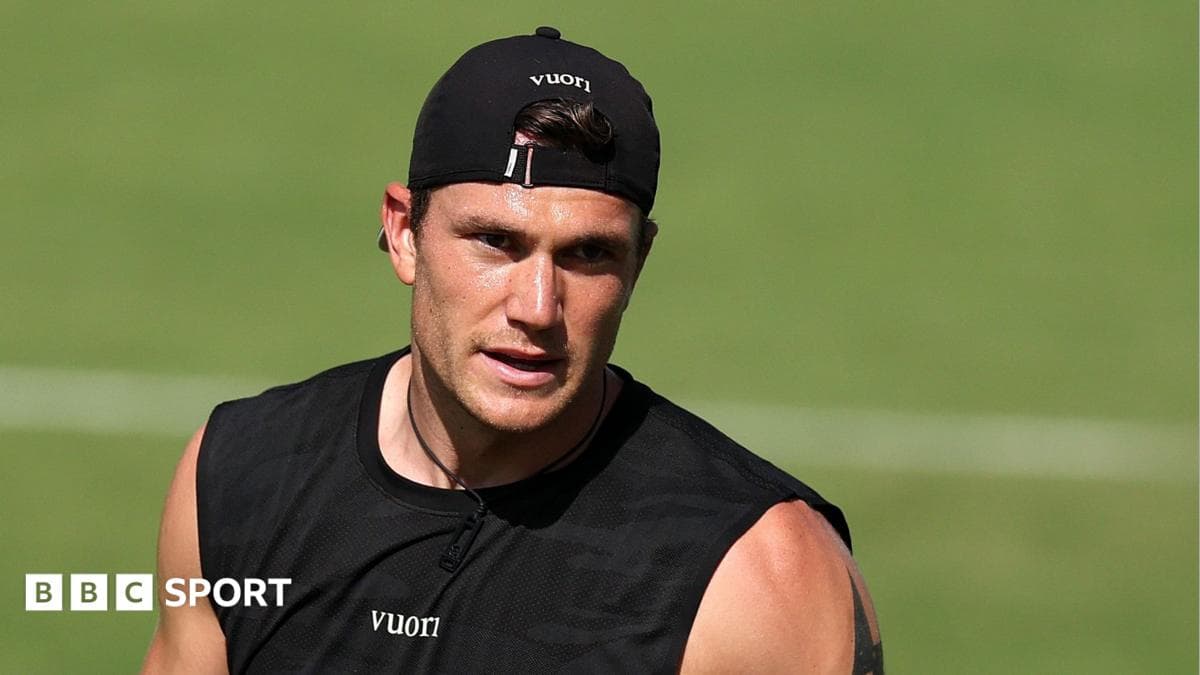
Carlos Alcaraz Faces Tommy Paul at 2026 US Open
Carlos Alcaraz limped out of the tour in April with a damaged wrist and a stack of questions. On Day 8 in New York, the questions get louder.
The No. 2 seed has eased through two rounds at the 2026 US Open, but “eased” is generous. On Friday night he flirted with disaster, forced to save two break points late just to stay alive. That kind of escape belongs in the first week. Now comes Tommy Paul, and the margin for error shrinks with every roar from Arthur Ashe.
Alcaraz meets a hostile kind of love
Paul is the No. 20 seed, but in this city he’s playing with something rankings can’t measure. He’s American, he’s into the second week, and he’ll walk into Ashe with the crowd at his back and the night air humming. Alcaraz has seen this before, of course. He’s thrived in hostile arenas, fed off the noise. Yet this is his first real physical and mental examination since that wrist injury stopped his season in April.
On Friday, he found a way. Paul will ask if that will be enough.
Sabalenka in full stride, Townsend in full belief
On the women’s side, Aryna Sabalenka has made sure there’s been no drama at all. Three matches, eight games dropped. That’s not a run, that’s a demolition.
She opens Sunday’s slate on Arthur Ashe at 11:30 a.m. ET against Taylor Townsend, a matchup that brings contrast and intrigue. They’ve never played. They don’t share much stylistically either.
Townsend’s lefty serve-and-volley game is a throwback in a baseline world, the kind of style that can turn rhythm into rubble for anyone across the net. She rushes forward, cuts off angles, and forces opponents to hit one more passing shot, then another, and another. Better players than Sabalenka have struggled with that pattern. Sabalenka’s job is to make sure the lefty never gets comfortable enough to build it.
So far, the No. 1 seed has hit through everyone in her path. Townsend will try to drag her into something different: a match of instincts, touch, and split-second decisions at the net. If Sabalenka’s power holds and her return bites, this could be over quickly. If Townsend starts carving up the forecourt, Ashe might get loud in a hurry.
Shelton’s clock vs. Tsitsipas’ experience
Ben Shelton knows all about late nights in New York. This time, the clock might be his toughest opponent.
He walked off court at 2:15 a.m. Saturday morning after four sets against Denis Shapovalov, a bruising, emotional win that left the stadium half-empty but fully wired. Less than 36 hours later, he has to reset against Stefanos Tsitsipas.
That’s the reality of the second week: recovery is a skill, not a luxury.
Shelton brings thunder on serve and a swagger that fits this city. Tsitsipas brings the experience of someone who has lived deep into majors and understands how to manage his body and his nerves across two weeks. The question is simple and brutal: how quickly can Shelton’s legs and lungs bounce back? If the adrenaline from that Shapovalov finish lingers, this turns into a shootout. If the physical toll shows, Tsitsipas will sense it and tighten the screws.
Navarro owns the Grandstand, now steps onto Ashe
Emma Navarro has been quietly building something serious in Queens. It stopped being quiet on Saturday.
She tore through Wimbledon finalist Karolina Muchova, the No. 7 seed, in straight sets and didn’t surrender a single game on Grandstand. Over two years, she’s now 6-0 on that court, treating it like her own private stage.
Sunday night, the stage changes. At 8:30 p.m. ET she walks into Arthur Ashe to face No. 21 seed Anna Kalinskaya. The lights are brighter, the space bigger, the noise thicker. But Navarro arrives with the kind of form that travels: clean ball-striking, clarity of game plan, and the confidence that comes from dismantling a top seed without blinking.
Kalinskaya has the weapons to disrupt that rhythm. Navarro has the belief that nothing in this tournament has been able to touch her yet.
Pegula’s wake-up call
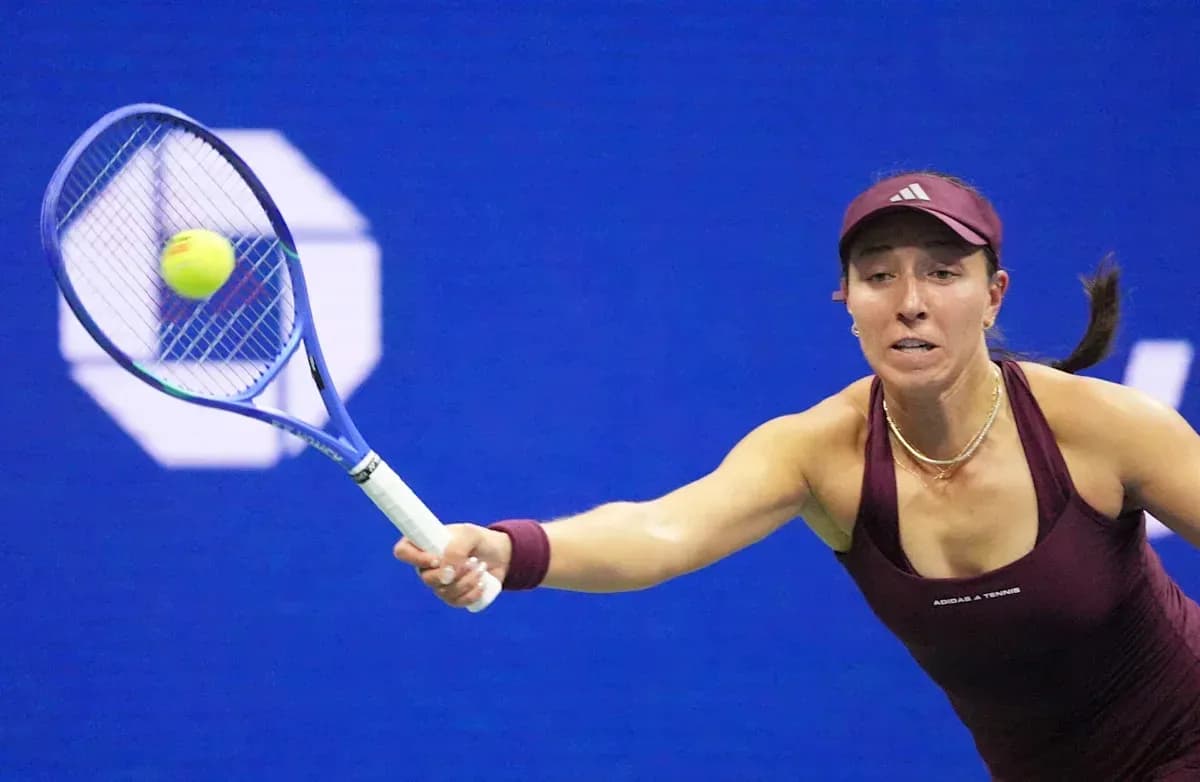
Jessica Pegula took the scenic route to Sunday.
Against Leylah Fernandez, she started flat and paid for it, dropping the first set 6-1. Afterward she didn’t look for excuses. She blamed her own feet, calling her early footwork “a little lazy to start off.” Once she sharpened that up, the match flipped. Pegula steadied, found her patterns, and moved into the fourth round.
That kind of start won’t fly against Sorana Cirstea.
Pegula, the No. 3 seed, meets the No. 16 seed on Louis Armstrong at 4:40 p.m. ET in a match that feels like a test of urgency. Cirstea hits through the court when she’s on, and she doesn’t need an invitation to take control of rallies. If Pegula comes out slow again, she might not get the chance to reset. If she brings the focused version from the final two sets against Fernandez, her consistency and precision should give her the edge.
Kostyuk, Noskova, and a crowded middle of the draw
Before Pegula and Cirstea take the court, Louis Armstrong hosts another intriguing clash: No. 11 Marta Kostyuk against No. 6 Linda Noskova at 12:30 p.m. ET.
Both have carved out their own lanes in the women’s game—Kostyuk with her aggressive baseline patterns and relentless intensity, Noskova with a more measured, heavy-hitting style that can grind opponents down. This is the kind of fourth-round match that shapes the top half of a draw: not a blockbuster by name, but the sort of contest that often births a surprise semifinalist.
The day ahead
So the menu for Sunday is clear enough.
Sabalenka opens Ashe, the world No. 1 trying to keep her matches as short as her answers. Townsend will attempt to pull her into a tactical street fight. Alcaraz walks into a night session with a repaired wrist and a restless crowd leaning toward Tommy Paul. Shelton tests his youth and recovery against Tsitsipas’ experience. Navarro trades her Grandstand fortress for the sport’s biggest stadium.
By the time the lights go out in Flushing Meadows, we’ll know a lot more about who’s truly ready for the second week—and who just survived long enough to reach it.