Michael Carrick's Defining Moment at Old Trafford
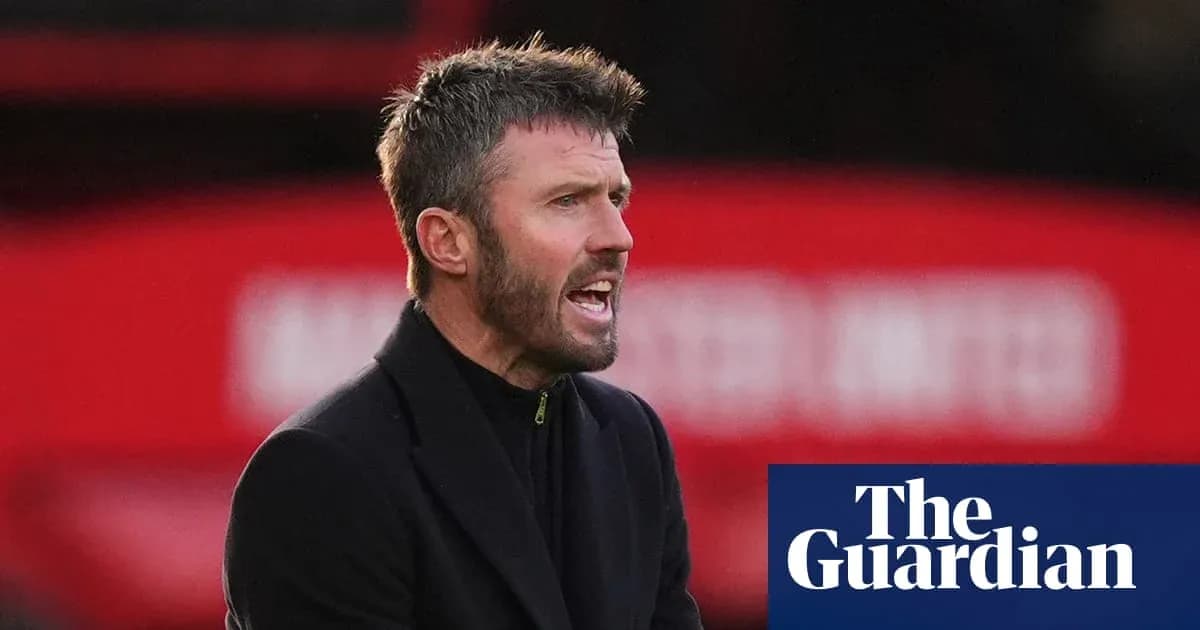
The rain in Como has not yet dried from the shirts, but the inquest has already moved on. Bournemouth come to Old Trafford on Sunday and, for Michael Carrick, the question is no longer just about tactics or systems. It is about power.
A captain on the brink
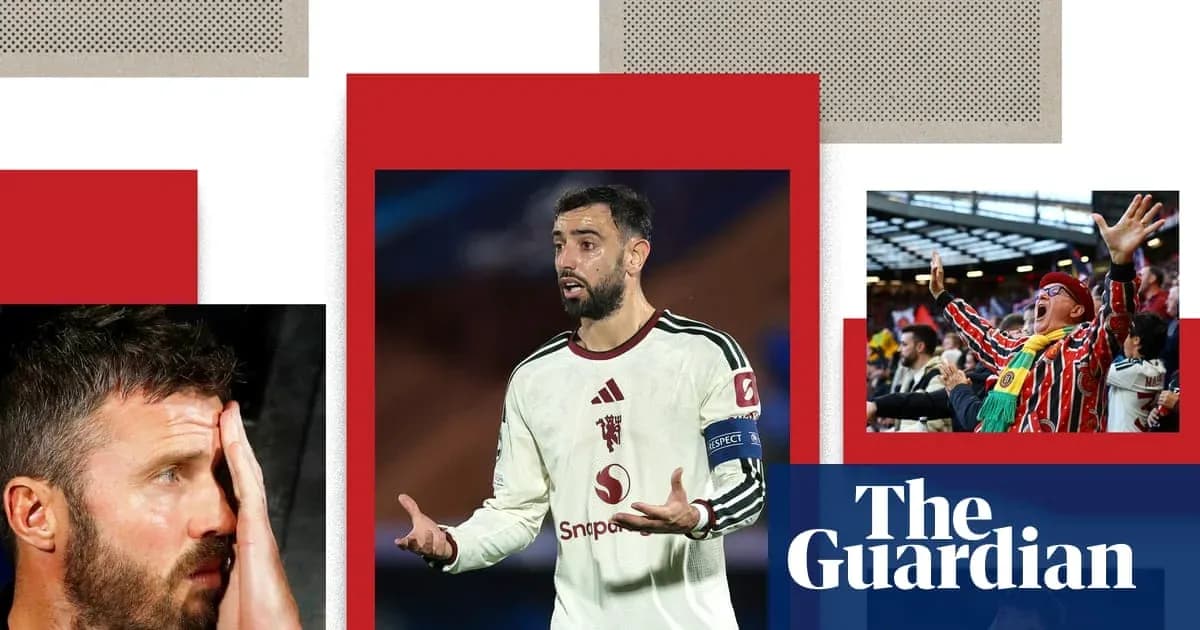
Bruno Fernandes walks out at Old Trafford as captain – for now. Whether he does so at 2pm on Sunday is entirely in Carrick’s hands, and the manager pointedly refused to rule out a change when pressed on Friday.
Fernandes’s outburst in Como still hangs in the air. After a 4-1 humiliation by Cesc Fàbregas’s side, the Portuguese playmaker went public on the game plan. “It’s a decision from the staff to not press man-to-man and sometimes leave space behind and try to get the ball, wait for them, but sometimes when you give space to these teams they get confidence,” he said.
Those are not throwaway lines. That is a direct challenge to the head coach’s authority, and the dressing room will know it.
Carrick now faces a brutal but defining call. Strip the armband, perhaps even drop his five-times player of the year, and he risks a short-term storm but sends a long-term message. Do nothing and the perception of a lame-duck manager hardens.
Hovering behind all this is the January window. Both Fernandes and Lisandro Martínez are out of contract in the summer, albeit with an extra year option in the club’s favour, and their recent behaviour points towards the exit. United could bank around £40m for Fernandes and £25m for Martínez if they cash in early. Unthinkable once; now a live discussion inside a club that knows it must rebuild.
If Carrick is to light the fuse on a new era, this is where it starts.
A bond fraying at the edges
Seven hundred United supporters trudged through incessant Lombardy rain to watch their team fold. They saw a horror show, but they stayed. They always do.
On Sunday they will file back into Old Trafford, desperate to believe again. Carrick speaks often about how fans are the club’s lifeblood. The question is whether all of his players truly feel the same.
Nights like Como breed resentment. Players slouch off, heads down. Applause is perfunctory. The distance between pitch and stands grows inch by inch.
That is where Carrick must be as ruthless as he is sentimental. Performances like Wednesday’s are less likely if the dressing room lives by a basic creed: the supporters are non-negotiable. Anyone who cannot connect, who cannot run, who cannot front up when it turns ugly, should not be on the pitch.
Lost joy, lost identity
The most damning indictment of this United side is not just the scorelines. It is the mood.
Sir Matt Busby’s holy trinity of Best, Law and Charlton. Sir Alex Ferguson’s flying wingers and the old “attack, attack, attack” roar that used to feel like a physical force. That lineage is supposed to run through every United team. Carrick admitted on Friday that something of that has been “lost”. He did not need to. You can see it.
The contrast with the start of his second tenure is stark. On 17 January 2026, Old Trafford crackled. Carrick sent out a team that hunted Manchester City from the first whistle, smothered Pep Guardiola’s men, and ran out 2-0 winners. United were fearless that night, aggressive without the ball and inventive with it. That was the template for last season’s third-place finish, a side that played with bounce and belief.
This season the smile has gone. In its place, a creeping sense of doom – the very atmosphere Carrick had blown away after the gloom of Ruben Amorim’s final days. United have drifted towards a more possession-heavy style, but the execution has been muddled. Youri Tielemans, signed to orchestrate from deep, lacks the legs to dominate centrally and has been shunted into the No 10 role. Kobbie Mainoo, who can actually run a midfield, is injured. Fernandes, meanwhile, sprints all over the pitch, leaving holes where the first receiver should be.
The idea is clear. The reality is chaos.
If Carrick is serious about restoring United’s cavalier edge, he may need to loosen the reins, accept a little disorder in exchange for menace, and lean back into the club’s attacking DNA.
Time for the kids to bite
The spine of this squad is experienced and decorated. Fernandes, Luke Shaw, Harry Maguire, Diogo Dalot, Marcus Rashford, Amad Diallo, Martínez – all long-serving, all underperforming.
The atmosphere around them feels stale. Same faces, same patterns, same collapses.
So why not tilt towards youth? The old “play the kids” line is often dismissed as a cliché, but clichés survive because they carry truth. Young players arrive without the scars, without the baggage. They run, they risk, they dare. They can jolt a dressing room awake.
Shea Lacey offers pace and directness out wide. Harry Amass is a modern, adventurous left-back. The Fletcher twins, Jack and Tyler, bring craft at No 10 and bite as a defensive midfielder respectively. They are 19, with only 22 senior appearances between them, but that is the point. They are untainted by this malaise.
None of them could reasonably do worse than the senior men currently blocking their path. If Carrick wants to shock the hierarchy and re-energise the crowd, this is the cleanest way to do it.
A blunt attack, a looming threat
The numbers up front are as bleak as the performances. In seven of their 11 matches this season, United have scored either once or not at all. Ten goals in seven league games. Five in three Champions League outings, four of those against Sabah, the softest opposition they will face all year.
Strip out the padding and you are left with a brutal truth: when the level rises, United’s attack disappears.
Como was another exhibit. No clear pattern of play. No sustained control. Chances came sporadically, almost by accident. For a club of United’s scale, that is not a blip; it is a structural flaw.
Carry on like this and the word nobody at Old Trafford wants to utter will creep into the conversation: relegation. The squad is too talented on paper, but football does not care about résumés when a team forgets how to score.
Carrick has forwards who thrive in a more instinctive environment. Matheus Cunha likes chaos, duels, broken play. Bryan Mbeumo comes alive when allowed to attack early, to combine, to shoot on sight. A more off-the-cuff, front-foot approach would suit them and others, and it is no coincidence United looked most dangerous last season when they embraced that identity, bloodying the noses of City, Arsenal, Chelsea and Liverpool.
Now Bournemouth arrive at Old Trafford, sensing vulnerability. For Carrick, this is more than a routine home fixture. It is a test of nerve, of authority, of what he wants this United side to be.
Does he cling to status and reputation, or does he rip up the hierarchy, trust youth, and lean back into the chaos that once made this club feared?