Cathy Engelbert Retires as WNBA Commissioner After Landmark Tenure
Cathy Engelbert, the first commissioner in WNBA history and the architect of its modern era of expansion and visibility, will retire at the end of the calendar year.
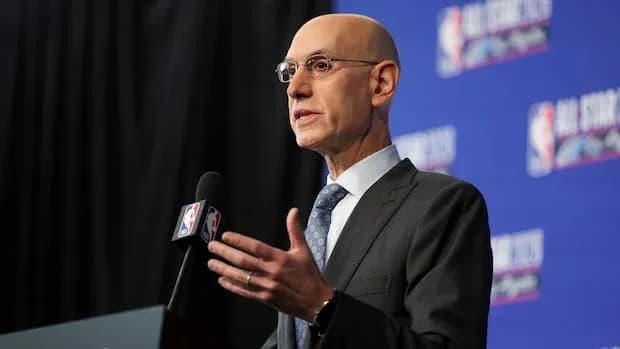
The announcement came via NBA commissioner Adam Silver, who framed her seven-year tenure as a turning point for the league.
“Cathy has presided over the WNBA through the most significant period of growth in the league’s 30-year history,” Silver said in the league’s statement. “We are grateful for Cathy’s leadership and unwavering commitment to the advancement of women’s basketball.”
A Landmark Tenure Comes to a Close
Engelbert stepped into the job in 2019, inheriting a league with clear potential but limited reach and persistent questions about valuation and visibility. She leaves it bigger, richer and more prominent than when she arrived.
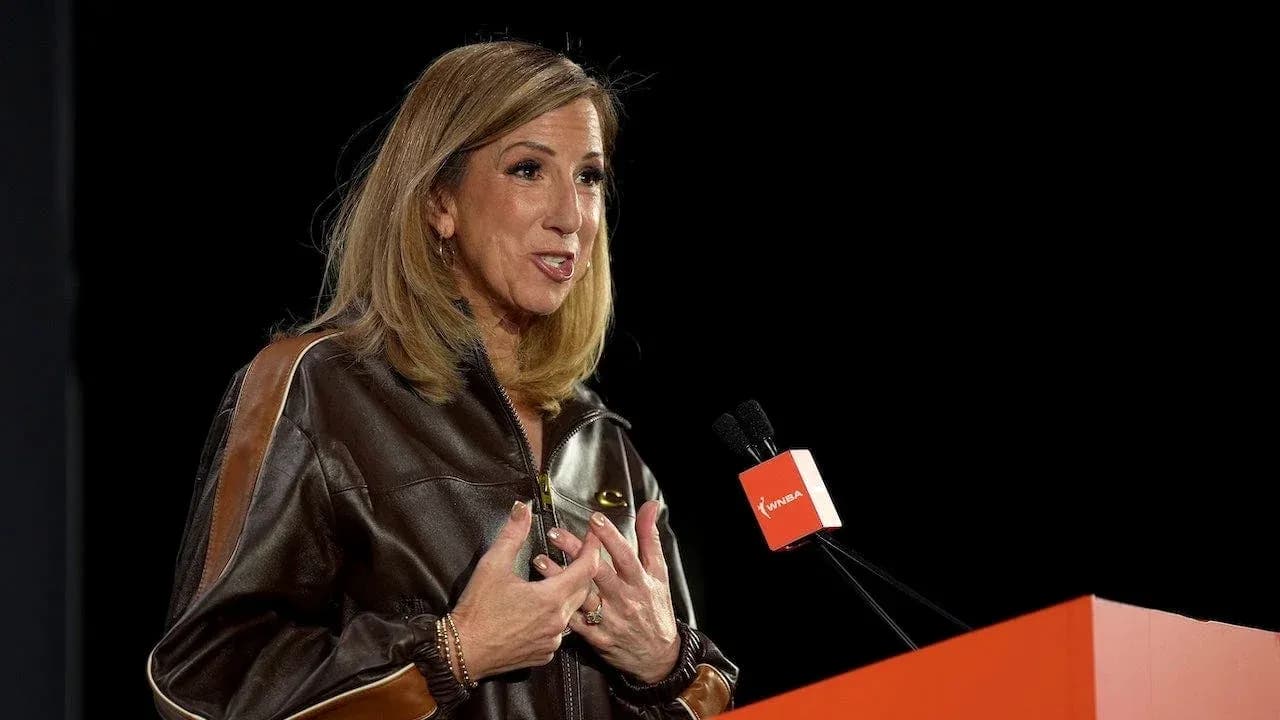
“After more than seven years at the WNBA and more than 40 total years in business, I have made the decision to retire as WNBA Commissioner,” Engelbert said.
“In 2019, I had the privilege of being appointed the league’s first commissioner and to lead a league with enormous potential yet untapped awareness and significant undervaluation. Over the years, it has been amazing to watch WNBA players thrive and lead the massive cultural surge around women’s sports.”
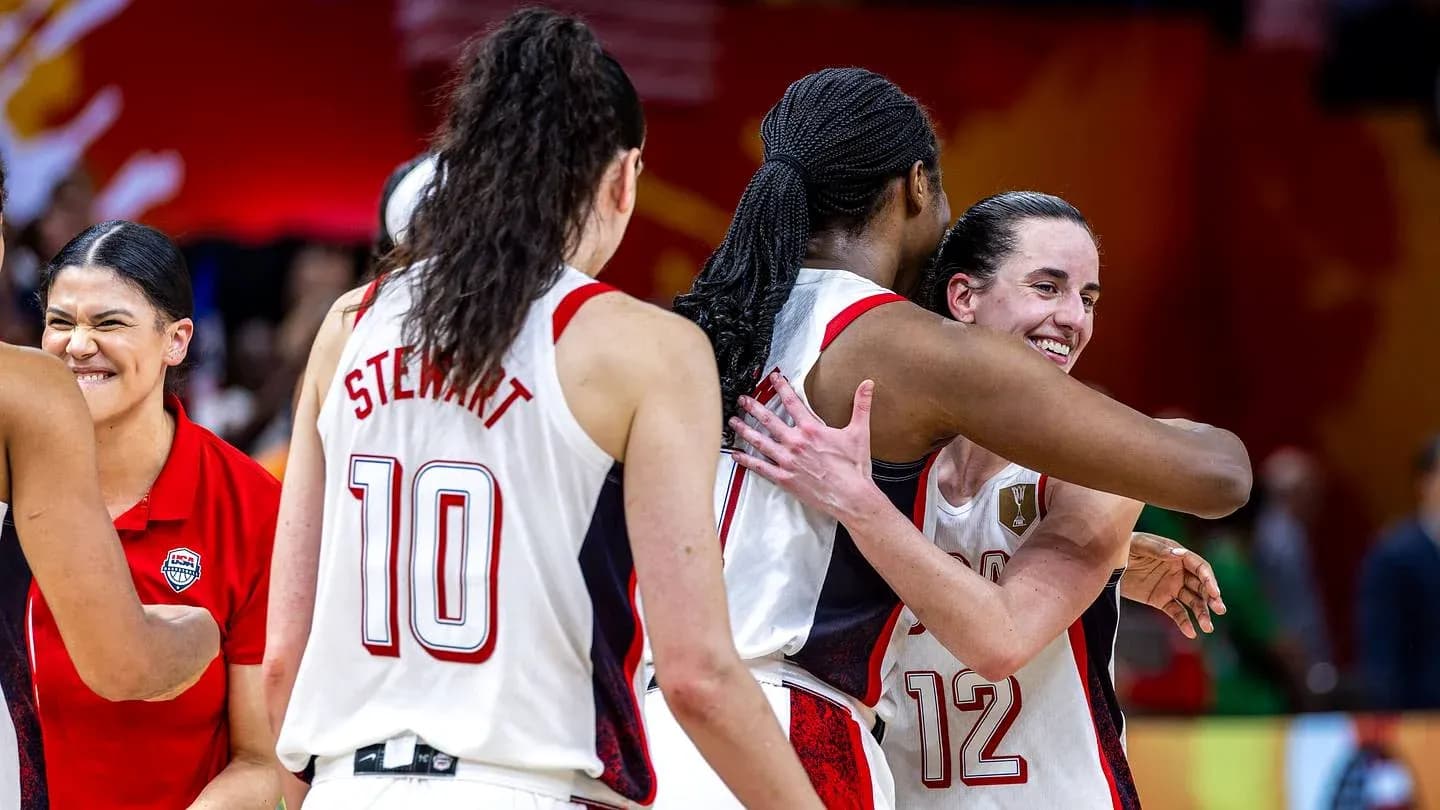
Her tenure coincided with a surge in interest in women’s sports and a new generation of stars. It also coincided with louder debates and sharper scrutiny. This season, discussions around Indiana Fever’s Sophie Cunningham’s comments on trans athletes in women’s sports and the treatment of Caitlin Clark dominated headlines and talk shows, pulling the WNBA into the center of the broader cultural conversation.
Through that noise, Engelbert pushed an aggressive growth plan.
Expansion, Money, and Momentum
Under her watch, the WNBA expanded from 12 to 18 teams, a statement of ambition in a landscape where professional women’s leagues have historically struggled to secure long-term stability.
The league credits Engelbert with overseeing significant spikes in nearly every key metric: viewership, digital engagement, game attendance, League Pass subscriptions, merchandise sales, corporate partnership revenue and franchise valuations. The numbers, the league says, hit historic highs.
The business side was just as busy behind the scenes. Engelbert played a central role in media rights negotiations and the collective bargaining agreement, helping to reshape the economic structure around the players and franchises.
She was not without critics. Some argued she failed to fully capitalize on the star power of the league’s biggest names, with Clark at the forefront of that debate. As the rookie guard drew massive audiences and intense media coverage, questions surfaced about whether the league did enough to push its superstars into the mainstream.
Even with that criticism, the overall trajectory under Engelbert was unmistakably upward.
Rewriting the Calendar
Engelbert also left her fingerprints on the court calendar itself.
In 2021, she launched the in-season Commissioner’s Cup, a tournament designed to add competitive stakes and create new inventory for broadcasters and sponsors. It changed the rhythm of the regular season and gave players another trophy to chase.
She then moved to stretch the season. The regular schedule expanded to 44 games in 2025, with plans already in place for a record 50-game slate in 2027. For a league long fighting for more visibility and more dates on the calendar, those numbers mattered.
Leaving on Her Terms
At 61, Engelbert says she steps away with a sense of completion and confidence in where the league is headed.
“I retire knowing we have built something bigger, stronger and more enduring than we could have imagined,” she said. “I am grateful to the WNBA and NBA team owners and staff, players, investors, fans and the powerhouse league office staff, who believed in what this league could become. I retire with immense gratitude and tremendous optimism for the future of the WNBA, with the best yet to come.”
The league has not yet named her successor. That decision will shape the next phase of a rapidly evolving competition that now expects growth, not just hopes for it.