Champions League 2024: PSG's Defense and Rivals
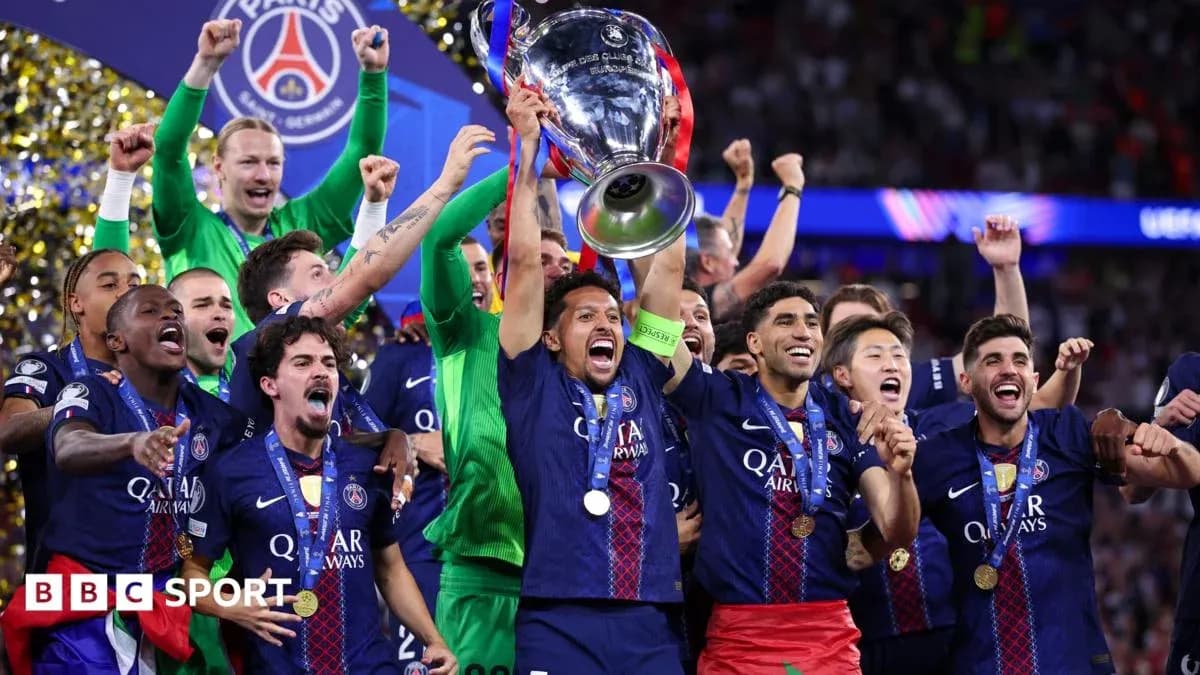
The Champions League is back. The road ends in Madrid on 5 June – and once again the question hangs over Europe: can anyone wrench the trophy from Paris St-Germain’s grip?
PSG are chasing history. Two titles in a row already place them in rare company; a third would drag them into the realm of dynasties. But the mood among those who know this competition best is clear: this will be their hardest defence yet.
PSG’s three‑peat dream under strain
Julien Laurens does not see a treble on the horizon. Two in a row? Special. Three? “Impossible unless you’ve got Cristiano Ronaldo in your team, which they don’t.” The French champions, he believes, will go deep again – at least to the semi-finals – but the mountain gets steeper with every step.
Guillem Balague points to the early weeks of PSG’s season as evidence of the strain. Luis Enrique keeps driving them to play on the edge: dynamic football, relentless pressing, a team that wants to live at the cutting edge of the game. That kind of intensity comes at a price. The league phase, he suggests, will double as a laboratory. There will be experiments. There will be odd results. The real judgment comes from January onwards.
The spine is still there, the know-how is still there, and Balague expects them to “get very close” to lifting the trophy again. But the European landscape around them has shifted.
Arsenal, Bayern and the threat from England
Five English clubs stand in PSG’s path, and one of them carries a particular weight of expectation. Arsenal, beaten finalists last season, are being tipped to go one better.
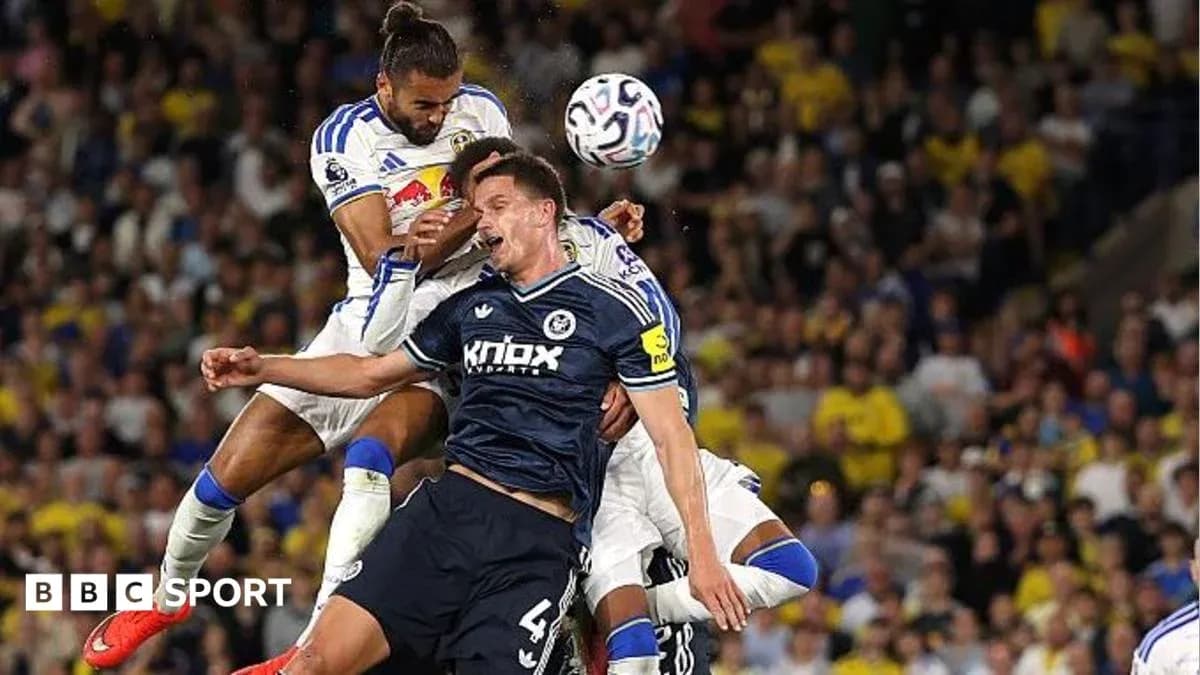
Laurens goes further than most. He has Arsenal not just returning to the final, but winning it. His argument is blunt: they own the best defence in Europe “by far”, and that, he says, is what wins titles. In his bracket, Arsenal beat Bayern Munich in the final, with PSG falling in the last four and Bayern close runners-up in the overall reckoning.
Balague also sees Arsenal as part of the inner circle. The London club have, in his eyes, finally learned how to win regularly. That psychological barrier gone, the football should flow with a new freedom. If the draw allows, he expects them in the semi-finals alongside PSG and Barcelona, with the fourth spot likely to fall to one of Bayern, Real Madrid or Manchester City.
Barcelona rising under Flick
Barcelona arrive with a different kind of energy. Balague describes them as “flying”. Hansi Flick still wants more – specifically a centre-back and a number nine – but even without those final pieces, he believes the team is climbing back towards the elite.
Flick’s Barça defend high, with aggression and conviction. That style suits their new generation, and it sets the stage for a serious tilt at the latter stages. They may not be the finished article, but they look like a side that expects to be in the conversation in May.
The stars to shape the season
Laurens and Balague both circle around the same idea: this Champions League will be defined by individuals ready to step into, or stay in, the spotlight.
For Laurens, Jude Bellingham tops the list. Now Real Madrid’s number 10 under José Mourinho, he stands at the heart of the project in Spain. After an outstanding World Cup, Laurens sees that momentum rolling into Europe: goals, influence, decisive moments from a role that fits him perfectly.
In Italy, Como’s first ever Champions League campaign has a clear conductor. Nico Paz, their number 10, sits at the centre of everything they do with the ball. Under Cesc Fàbregas, Como play with ambition and style, and Paz – still “very much in the making” – looks set to accelerate his rise on the biggest stage.
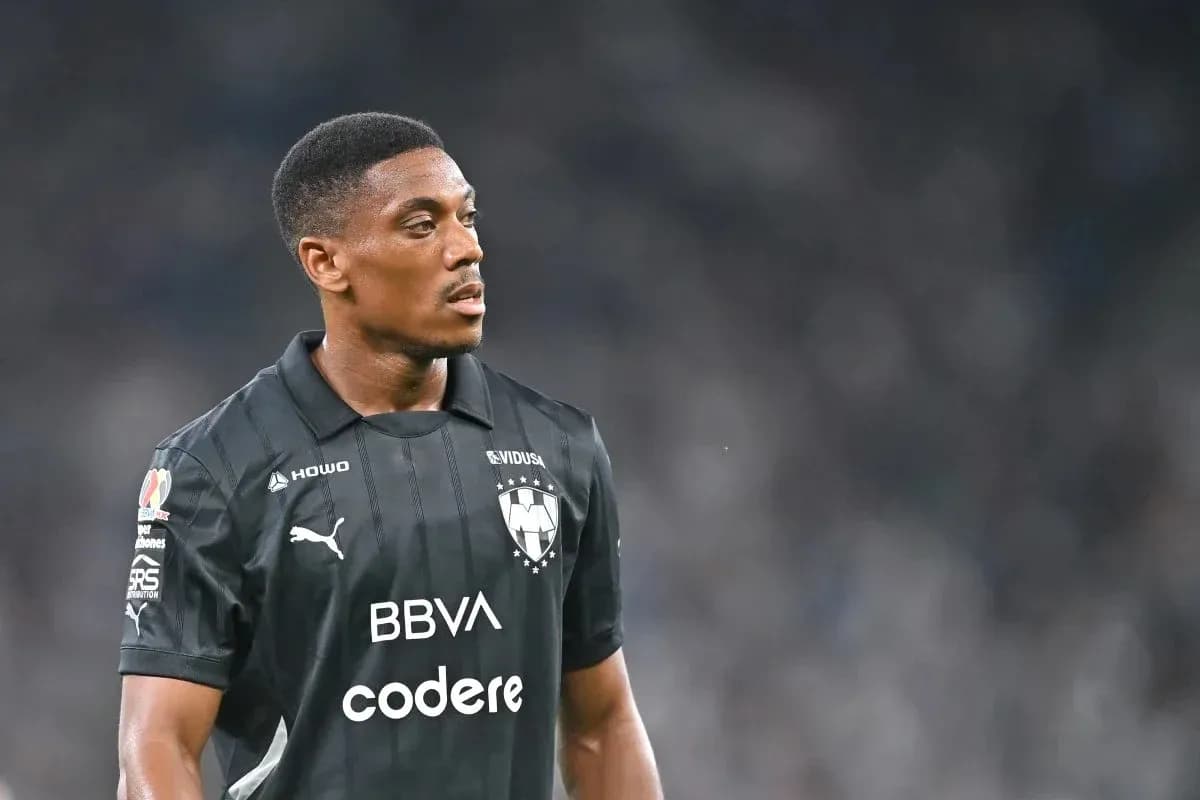
Then there is “Mr Champions League” himself in Paris: Khvicha Kvaratskhelia. Over the past two seasons he has tormented defences from that left flank, cutting inside, going outside, scoring with either foot, and dazzling technically. Laurens has him firmly in the Ballon d’Or conversation. He’s the player who makes people lean forward on the sofa. “He’s the guy.”
Lens, back in the competition after pushing PSG so hard in Ligue 1, bring another name to watch. Ismaelo Ganiou, a 21-year-old centre-back, anchors their back line. Strong, quick, composed on the ball, he already looks ready for a step up. Laurens fully expects a major Premier League move at the end of the season.
In Rome, Donyell Malen has reinvented himself. Since leaving Aston Villa for Roma, he has been prolific, scoring close to a goal a game as Gian Piero Gasperini’s lone striker. Roma’s return to the Champions League should suit him: an attacking side, a big stage, and a chance to show he is back at his best.
Balague’s shortlist adds more heavyweight intrigue. Harry Kane, leading the line for Bayern Munich, is on a campaign of his own. The Ballon d’Or is in his sights, and Balague believes Bayern’s style is made for him. There is no expectation of a drop in his level.
At Barcelona, teenager Lamine Yamal is already looking towards this competition as his next playground. Flick’s high, passionate pressing game should give him the platform to shine on nights when the whole of Europe is watching.
Kvaratskhelia reappears on Balague’s list as well. He sees another level in the Georgian forward, and with PSG likely to go far, he expects Kvaratskhelia to drag them through big games again. In his view, a future Ballon d’Or winner.
Further east, Shakhtar keep doing what Shakhtar do: find Brazilian talent, turn it into European gold. This time the spotlight falls on 20-year-old Kaua Elias, the latest in a long line of forwards who could explode into wider prominence.
And in north London, Martin Ødegaard looks ready to reclaim centre stage. After an injury-hit campaign, the Arsenal captain has started this season sharply. Balague sees a player capable of dictating games, surrounded by a more confident team that needs him to take that responsibility.
New faces, new ideas
The Champions League always finds room for fresh stories, and this year Como, LASK, Sabah and Viking bring a different flavour.
Balague is captivated by what Fàbregas is building at Como. The former midfielder has turned down serious offers to stay and develop his ideas in Italy. The environment gives him freedom: he can make mistakes without the sky falling in, and that has allowed him to push forward with a modern, expressive style. Balague expects Como to make it out of the league phase and into the knockouts.
LASK arrive having knocked out Celtic, a statement of their competitive level. Their realistic ceiling, Balague feels, is a home win somewhere along the way and a respectable points tally. Qualification looks a step too far for this first campaign, but they should not be brushed aside.
Sabah, from Azerbaijan, are a different kind of project, built on organisation and structure. The draw has shown them no mercy: trips to Arsenal and Manchester United, home games against Barcelona and Borussia Dortmund. Balague still sees room for one or two shocks, but not enough to extend their stay beyond the league phase.
Then there is Viking. Their group is brutal – Bayern, Atletico, Napoli and Aston Villa – yet Norwegian football has quietly filled up with sharp coaches and smart, competitive teams. Balague believes they have a genuine shot at reaching the knockouts, a potential disruptor in a section full of giants.
The race to Madrid
So the field assembles: PSG chasing immortality, Arsenal and Bayern circling, Barcelona rising, Real Madrid and Manchester City lurking in the background, and a cast of emerging clubs and stars ready to crash the party.
The trophy will be lifted in Madrid on 5 June. If PSG are still holding it then, they will have bent history to their will. If not, who seizes the chance to start a new era?