Chelsea's Defeat at Brentford Exposes Defensive Woes
The warning signs were there for Chelsea long before Jaidon Anthony’s header hit the net. The goals they had been relying on to paper over defensive cracks have dried up. The cracks, though, remain wide open.
At Brentford on Friday night, both problems collided.
A blunt attack without Joao Pedro
Joao Pedro’s absence hung over this game from the first whistle. The Brazilian, ruled out with a knee injury, has been the live wire of Xabi Alonso’s new-look Chelsea – three goals, three assists in four games, and a constant menace between the lines.
Without him, the attack lost its spark.
Danny Welbeck, signed from Brighton in the summer to complement Joao Pedro, was handed the starting role. He was neat enough when the ball reached him, but that was rare. Seventeen touches in 71 minutes told its own story. Unlike Joao Pedro, Welbeck could not manufacture chances on his own, and Chelsea never found a way to play to his strengths.
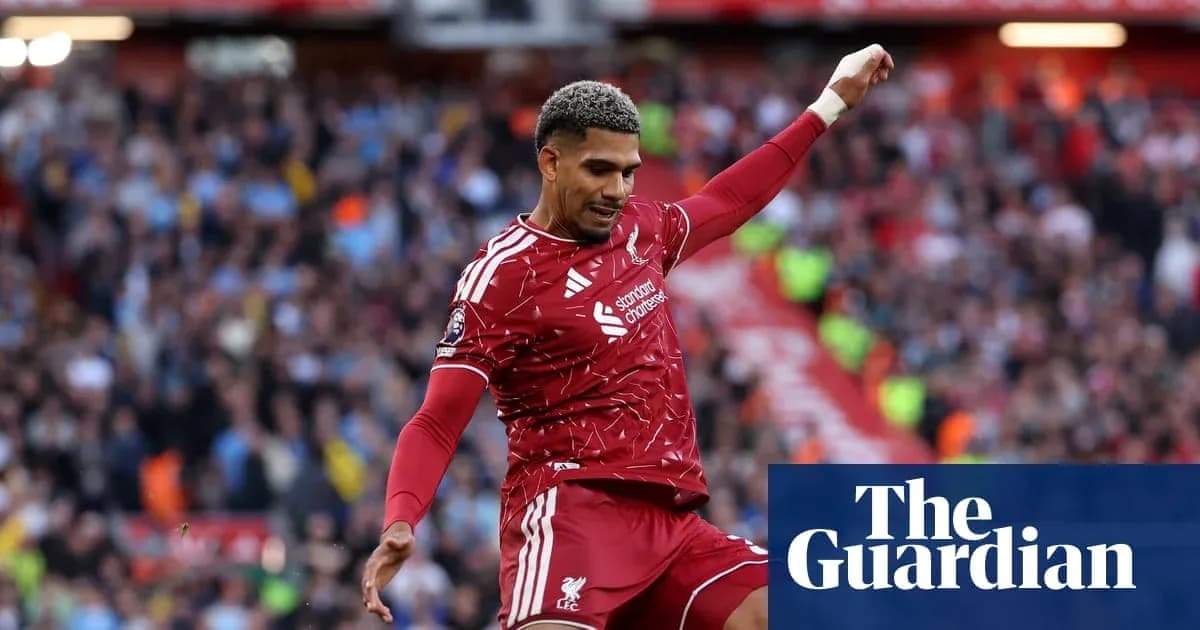
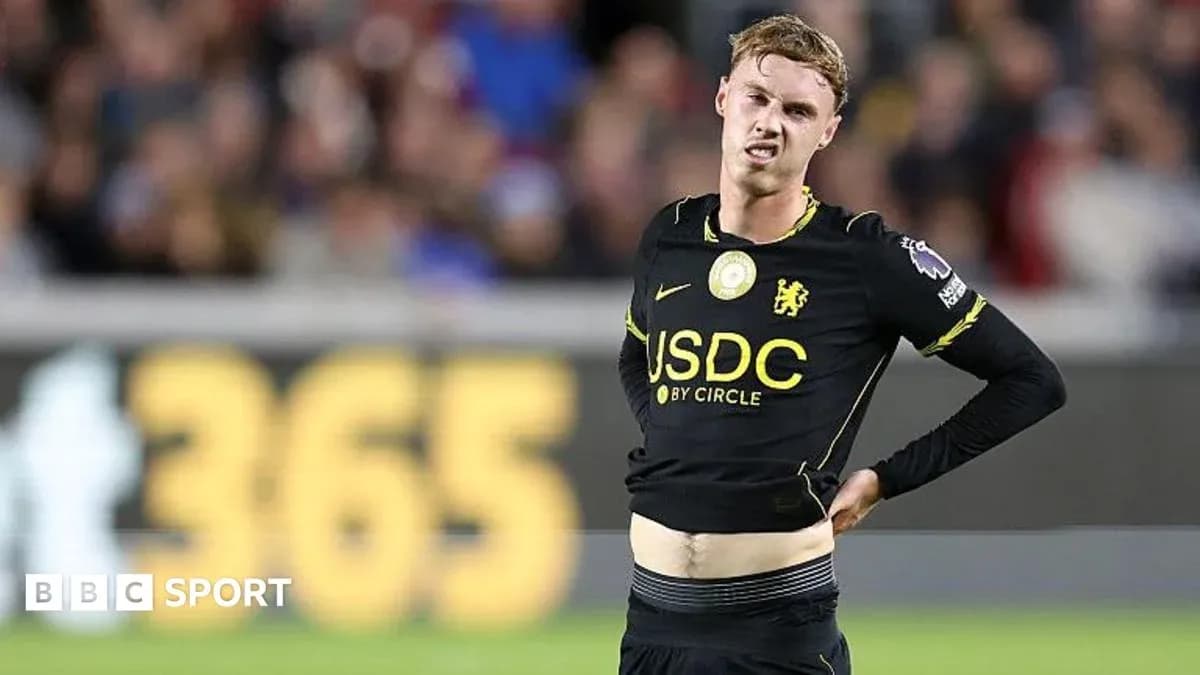
Cole Palmer probed, Morgan Rogers drifted, but the combinations that had lit up the opening weeks never really clicked. Rogers, in particular, produced his quietest display since arriving from Aston Villa for a club-record £117m fee. When he eventually moved into a central role, it felt more like a roll of the dice than a planned shift in structure.
With Emmanuel Emegha still injured and yet to make his debut, Alonso had no alternative focal point. For a side that had been outscoring their problems, the loss of their most inventive forward was brutally exposed.
One goal, then a collapse
For an hour, this was tight. Scrappy, at times, but even. It looked like the kind of game where the first goal would decide it.
Chelsea made sure it did.
On 61 minutes, Anthony rose unmarked to nod in from a corner, a simple header that cut straight to the heart of a familiar Chelsea weakness. Once Brentford were in front, Chelsea fell apart, sliding to a 3–0 defeat that felt heavier than the scoreline alone.
This is not a new story. No team has conceded more Premier League goals than Chelsea’s 12 so far this season, though they have played a game more than everyone else. Alonso has now become only the sixth manager to see his side concede two or more goals in each of his first five Premier League matches.
The pattern is becoming impossible to ignore. When Chelsea’s attack does not dazzle, the defensive structure cannot hold.
Set-piece frailty that just won’t go away
The numbers at dead balls are damning. Since the start of last season, Chelsea have let in 23 goals from set-pieces – more than any other Premier League side. Anthony’s header was the fifth they have conceded from a set-piece already this campaign.
This is an area the club has repeatedly tried to fix. Bernardo Cueva arrived from Brentford two years ago to tighten things up. This summer, Austin MacPhee, another specialist, took over those duties. The personnel in the dugout have changed. The story on the pitch has not.
“Not good enough. At times we have been bullied in the box and we definitely need to improve,” stand-in captain Levi Colwill admitted to Sky Sports. He backed MacPhee and spoke of the squad still adjusting to new ideas, but the sense of vulnerability in their own area remains stark.
For all the talk of tactical tweaks and new structures, Chelsea still look fragile the moment the ball is swung into their box.
Alonso’s experiments and a shifting hierarchy
Alonso is trying to reshape this team on the fly. His fifth league game in charge brought two more debuts and another shift in system.
Mahdi Nicoll-Jazuli, at 16, became the youngest player ever to appear for Chelsea in the Premier League, a striking symbol of the club’s long-term project. At the other end of the age spectrum, 36-year-old Jordan Henderson finally pulled on a Chelsea shirt, starting against his former club and joining Welbeck and Emiliano Martinez in an unusually experienced XI.
This was, in fact, Chelsea’s oldest starting line-up since May 2023. For once, the narrative of a callow, naïve side did not quite fit. The lapses were not about inexperience alone.
Alonso has chopped and changed shape, personnel and partnerships, handing out 11 debuts already this season. The result is a side that can thrill in bursts but has no established backbone, no default setting to fall back on when pressure builds.
“I would say that we have dropped our consistency and our competitive mentality in the second half. We know that small details can be decisive,” Alonso said after watching Brentford add two late goals to compound the damage.
He did not hide behind excuses. “We need to look at each other and know that we have to work and improve because there is still a long way to go,” he told Sky Sports. The honesty is there. The solutions are not, yet.
From early excitement to a hard reset
The first weeks of Alonso’s tenure brought a rush of optimism. The football was bold, attacking, and chaotic in a way that suited Chelsea’s talent-rich, system-poor squad. They were outscoring opponents, leaning on the brilliance of Joao Pedro, Palmer and Rogers to drag them through.
Now, with the goals drying up and the defensive record laid bare, the mood has shifted.
The international break offers three weeks without a competitive fixture. Time to work. Time to think. Time, too, for the questions to grow louder.
Can Alonso find a structure that protects a defence that keeps buckling at set-pieces? Can he build an attack that functions when its star forward is missing? Can this squad, older on Friday night than it has been for over a year, finally develop the ruthless edge he keeps demanding?
The early thrill has gone. What remains, as Chelsea stare at the table and the goals against column, is the hard reality of a season that will not wait for them to figure it out.