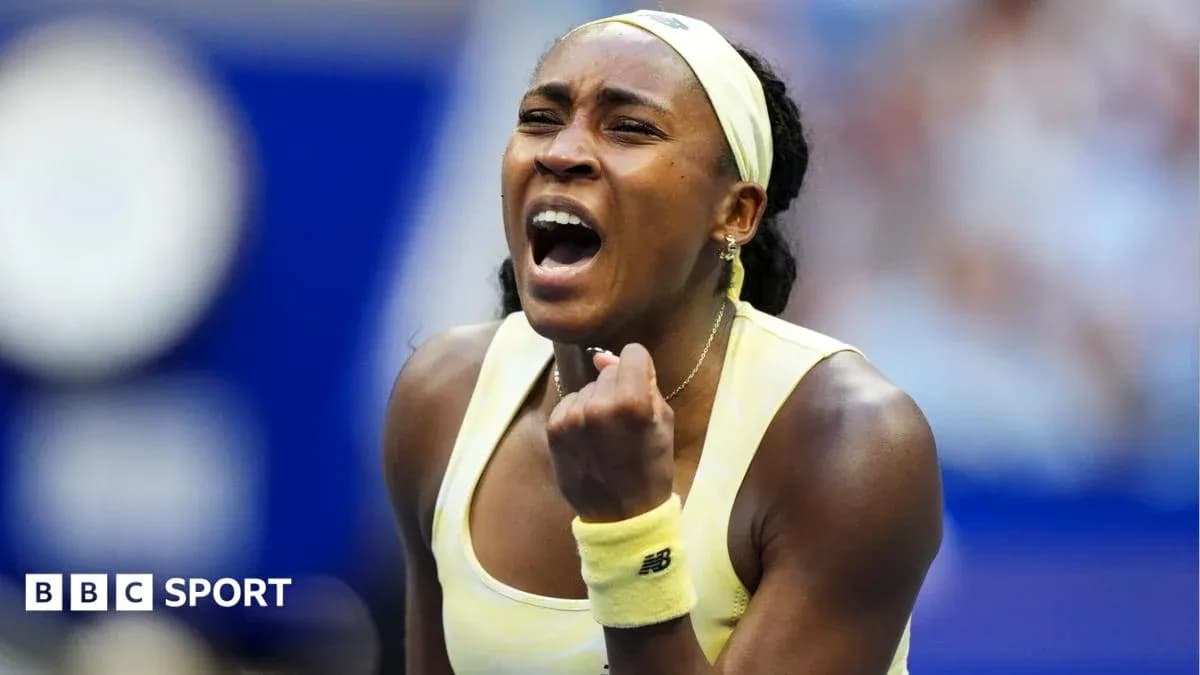
Coco Gauff Advances at US Open: A New Era of Expectations
Coco Gauff is still marching, still carrying the weight of a home nation that now expects as much as it hopes.
On a patchwork day for American fortunes at the US Open, the 22-year-old moved into the fourth round with a 6-3 6-4 win over Spain’s Cristina Bucsa, a scoreline that looks routine but never quite felt like it. Amanda Anisimova and Madison Keys, though, went the other way, their exits underlining how thin the margins can be in New York.
Gauff looks like the one to beat
Gauff arrived at this tournament as the reigning US Open champion and the form player on the women’s tour. She is playing like it. Her victory over Bucsa was her eighth consecutive straight-sets win at WTA Tour level, a streak that includes her 2025 French Open title run and has hardened the sense that she now understands how to live with the noise.
The match did not start on her terms. Bucsa broke early and led 3-1 in the first set, testing Gauff’s patience and her timing in front of an expectant Arthur Ashe crowd. Gauff tightened the screws. The forehand, so often a talking point in her teenage years, held up under pressure. She reeled off five games in a row to take the set 6-3, dragging the momentum firmly to her side.
The second set carried its own jolt. Broken to love, Gauff immediately broke back, stamping out any hint of a wobble. That kind of instant reply is exactly what she lacked 12 months ago, when she admitted the strain of defending a deep run at her home major weighed heavily.
“I feel like I'm used to getting to the second week now. I woke up today and I was like ‘oh we're already in round three’,” she said afterwards, sounding far more comfortable with the stage than the teenager who first lit up this arena. “There's expectations, being American, and I want to do well in front of the fans. Last year, I put so much pressure on myself. I'm enjoying the experience out here.”
This is her fifth straight year in the second week in New York. The last two campaigns ended in the fourth round. That history hangs there, but the way she handled Bucsa’s early punch suggested a player ready to push past an old ceiling.
Keys’ collapse stuns home crowd
If Gauff’s win showcased resilience, Keys’ defeat laid bare the brutal psychology of elite tennis.
The 2017 US Open finalist looked certain to reach the last 16 at her home slam for the first time since 2023. She led Olympic champion Zheng Qinwen 5-0 in the deciding set, held a match point, and had the crowd ready to roar her over the line.
Then everything unraveled.
Zheng, the 2025 Australian Open champion, refused to go away. Keys’ arm tightened. The errors crept in. The lead shrank. What had seemed a procession turned into a freefall as Zheng won seven straight games to seal a 1-6 7-6 (7-3) 7-5 victory that left the stadium in disbelief.
The 31-year-old did not sugar-coat what happened.
“I obviously got off to a really good lead, and then I got really scared, like I couldn't swing [the racquet],” Keys admitted. “I felt like I couldn't play tennis anymore. It just felt like it was a much bigger deal than just playing a tennis match all of a sudden.”
For a player who has lived so many big moments in this arena, the words were stark. Keys reached the fourth round at all three other majors in 2026, but the sense of a simmering struggle has been there all year.
“I feel like I've been struggling for a while now. I'm going to have to make some sort of changes,” she said. “I just kind of keep putting it off because that's how the tennis world works. It's just to the point where I actually need to do something about it.”
Her exit, from such a commanding position, will linger longer than most.
Anisimova’s frustration boils over
For Anisimova, last year’s runner-up to world number one Aryna Sabalenka, there was no such dramatic swing. Just a straight-sets defeat that never quite settled into any rhythm she could trust.
The 25-year-old fell to Russian-born Austrian 24th seed Anastasia Potapova, undone by a ragged service performance and visible frustration. She dropped serve twice in the first set and four times in a chaotic second, never able to string together the kind of clean, aggressive tennis that took her to the final 12 months ago.
Every missed chance seemed to deepen the irritation. Potapova, steady and opportunistic, simply kept asking the question. Anisimova could not find the answer this time.
American hopes still alive – and crowded
For all the setbacks, the Stars and Stripes are still flying prominently across the draws.
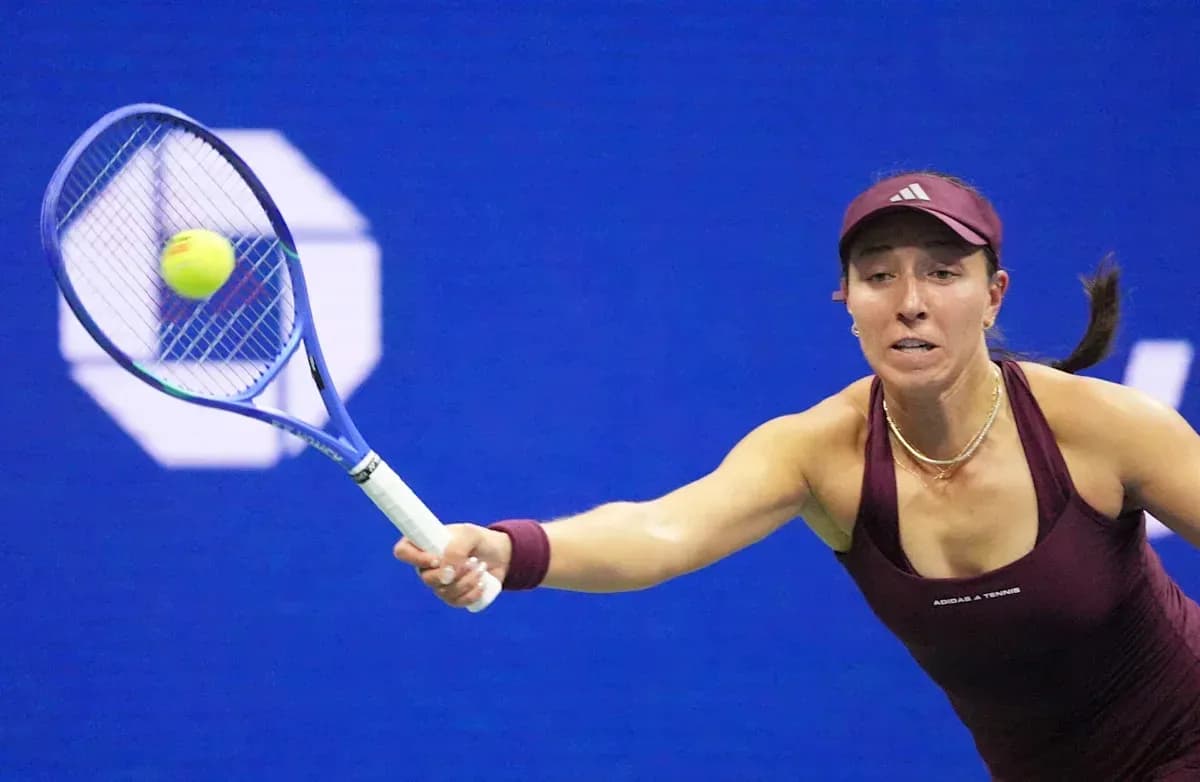
Gauff leads a strong home contingent in the women’s last 16, joined by Jessica Pegula, Taylor Townsend and Emma Navarro. Iva Jovic could yet swell that number to five, a remarkable presence for the host nation in the second week.
On the men’s side, the American surge is even more striking. Ben Shelton, Frances Tiafoe, Tommy Paul and Alex Michelsen are already through to the fourth round. Learner Tien and Michael Zheng still have their chance to join them, raising the prospect of US players featuring in six of the eight men’s last-16 matches.
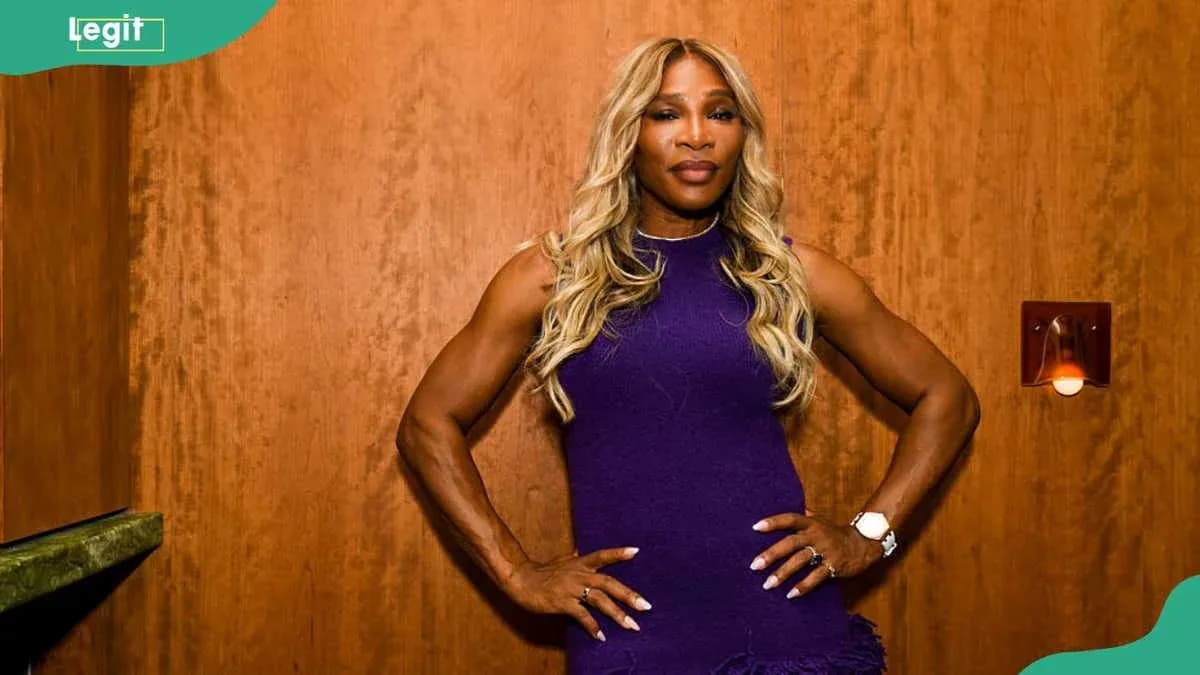
The tournament, though, feels increasingly shaped by Gauff. She is no longer the teenager chasing Serena Williams’ shadow; she is the most recent American champion in New York, the player everyone else has to solve.
The fourth round has been her stopping point here for the past two years. The way she is playing now, and the way she is talking about the pressure, suggests she has no intention of letting that be her story again.