Coco Gauff Survives Tough Match to Reach Last 16 at US Open
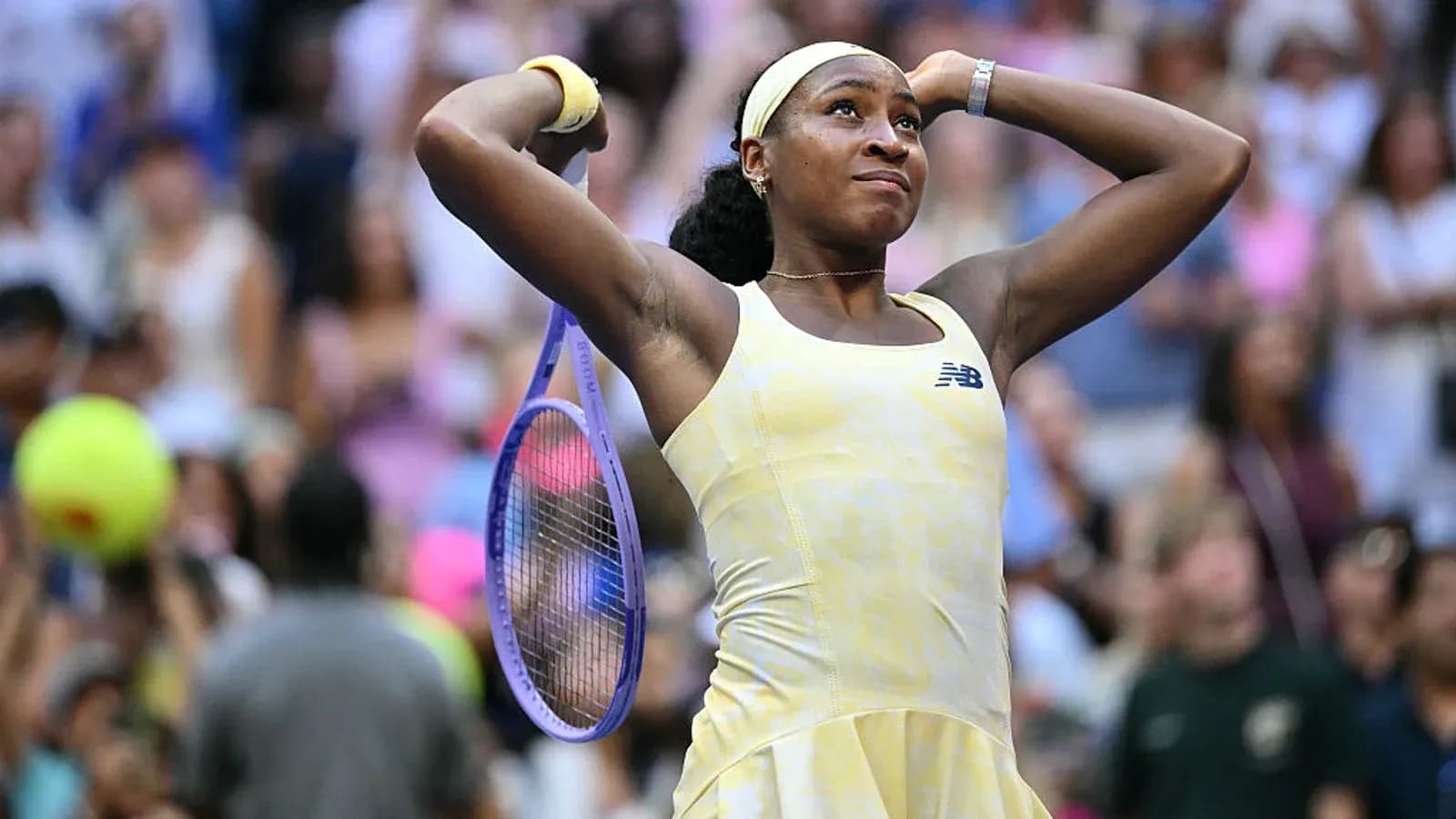
Coco Gauff kept the Stars and Stripes flying at Flushing Meadows on a day when the American draw took heavy damage everywhere else.
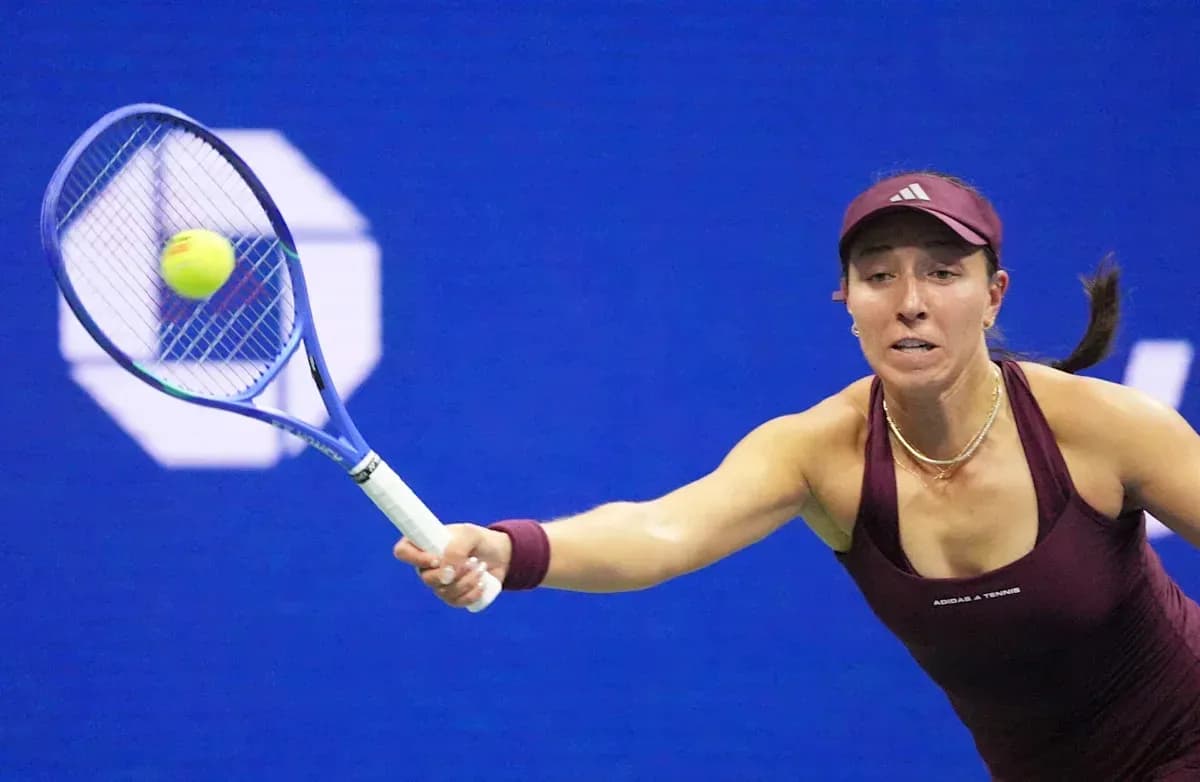
The defending US Open champion was scratchy, searching, sometimes visibly frustrated. But she survived. Against world No 40 Cristina Bucsa, Gauff’s level never truly caught fire, yet her competitive instincts did, dragging her through 6-3 6-4 and into the last 16.
It was work, not art.
She dropped serve early, misfired too often, and spent long stretches trying to solve Bucsa’s change of pace. Once she steadied, though, the match tilted. Gauff accelerated through her groundstrokes, stepped closer to the baseline, and leaned on the crowd the way New York champions do when rhythm deserts them.
Bucsa probed, mixed the spins, slowed the tempo, then suddenly rushed it. Gauff wrestled with all of it. The difference lay in the big moments: break points, tight games, the close of each set. Those belonged to the American.
She moves on to face the winner of an all-teen clash between compatriot Iva Jovic and the Philippines’ Alexandra Eala for a place in the quarter-finals. It is the kind of draw that screams opportunity for a defending champion still short of her top gear.
On this chaotic day for US hopes, that alone felt significant.
Fritz falls apart, Cerundolo roars back
If Gauff’s progress steadied the home crowd, Taylor Fritz’s collapse stunned it.
The ninth seed looked to be strolling into the fourth round. Two sets up on Federico Cerundolo, serving cleanly, controlling the baseline, he appeared ready to join Ben Shelton, Frances Tiafoe, Tommy Paul and Alex Michelson in the last 16 and keep alive America’s search for a first men’s champion since Andy Roddick in 2003.
Then the match turned into a scrap. And Fritz lost it.
Cerundolo, the surprise champion at Queen’s Club earlier this summer, dug in. The quality dipped, the errors mounted on both sides, but the Argentine refused to go away. He clawed back the third set, then the fourth, then the fifth, outlasting Fritz 3-6 4-6 6-3 6-4 6-4.
The American, a runner-up here two years ago, had not dropped a set all week. Suddenly he was out, another high seed gone, another reminder of how unforgiving best-of-five can be when momentum slips.
Cerundolo’s reward is a fourth-round meeting with Belgian 28th seed Alexander Blockx, who delivered his own shock by ousting Italian fifth seed Flavio Cobolli 6-7 (4-7) 6-3 6-0 6-3. From the moment Blockx levelled the match, he took complete control, racing through a one-sided third set and never loosening his grip.
For American men, the weight now leans harder on Tommy Paul. The 20th seed faces defending champion Carlos Alcaraz in what shapes as the first real measure of the Spaniard’s level since his return from injury.
“I think I played Carlos more than anybody on tour, for me, which is kind of crazy,” Paul said. “We’ve had some good matches. But, I mean, he’s the test, him and [Jannik] Sinner. They have been playing great, and I guess Carlos we haven’t really seen too much, but he’s obviously doing pretty well coming right back to competition.”
Alcaraz, Paul, Sinner, Cerundolo, Blockx. The top of the men’s draw suddenly feels wide open and dangerous.
Heartbreak for Keys as Zheng completes astonishing comeback
On the women’s side, the most brutal twist of the day belonged to Madison Keys.
The 2017 runner-up led Qinwen Zheng 5-0 in the deciding set. Five games to nothing. The match was in her hands, the crowd ready to roar her over the line.
She never got there.
Zheng refused to fold and slowly dragged herself back into contention. Keys, who had dominated the opening set 6-1, began to tighten. The forehand that had been ripping through the court lost its freedom. The nerves crept in, then took over.
Zheng forced a second-set tie-break and grabbed it 7-3. In the third, as Keys’ arm seemed to lock, the Chinese star surged. Games slipped away, the scoreboard flipped, and Zheng completed a remarkable 1-6 7-6 (7-3) 7-5 turnaround.
“I feel like I obviously got off to a really good lead, and then I just got really scared, like I couldn’t swing,” Keys admitted afterwards. “I don’t know. Tennis just feels really hard right now, so I feel like that kind of took over.”
It was as raw and honest a verdict as you will hear from a top player. It also left the US Open with one less American contender in a half of the draw already brimming with danger.
Swiatek survives, Andreeva advances, Anisimova exits
Qinwen Zheng’s reward for her comeback is a fourth-round clash with Iga Swiatek, who had to survive her own examination.
The six-time Grand Slam champion, seeded eighth here, was pushed to the edge in both sets by Czech 25th seed Marie Bouzkova. The rallies stretched, the lungs burned, the margins narrowed. Swiatek had to dig, and then dig again, before finally edging through 7-6 (7-3) 7-6 (7-3).
“It got pretty physical, many long rallies,” the 25-year-old said. “It wasn’t easy.”
It rarely is against Bouzkova, but Swiatek’s competitive steel held firm in the tie-breaks. The Pole moves on, battle-tested, into a meeting with one of the game’s rising forces in Zheng. That one promises heavy hitting and no shortage of emotion.
On the other side of the women’s draw, French Open champion Mirra Andreeva continues to look utterly at home on the sport’s biggest stages. The Russian fifth seed controlled her contest with Czech Nikola Bartunkova 6-2 7-6 (7-5), handling a tight second-set tie-break with the composure of a veteran.
Andreeva reaches the fourth round in New York for the first time and will next face Anastasia Potapova, who ended Amanda Anisimova’s campaign.
Anisimova, last year’s beaten finalist, unravelled under the weight of 46 unforced errors in a 6-2 7-5 defeat to the Austrian. For long stretches she dictated, but too often the final strike flew wide or long. Potapova stayed solid, absorbed the pace, and walked through the open door.
Williams sisters avoid fine after doubles return
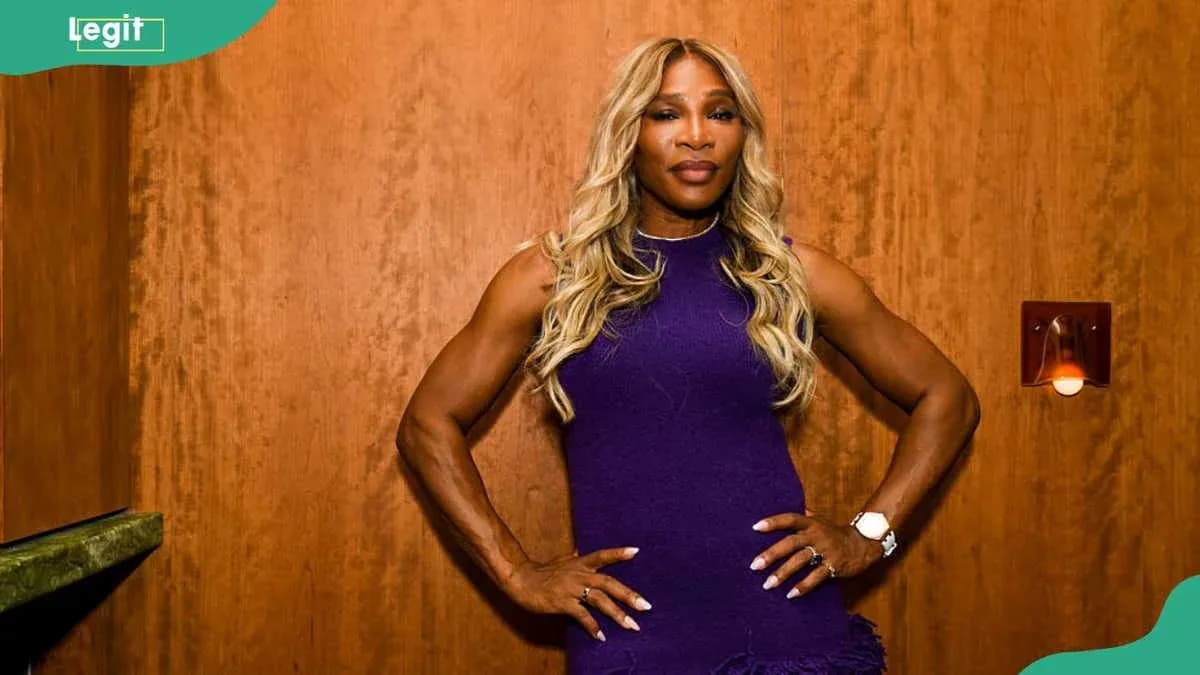
Away from the singles drama, Serena and Venus Williams made a quieter kind of news.
The iconic sisters returned to Flushing Meadows for their first match in four years, stepping back into the doubles draw in front of a nostalgic, expectant crowd. They pushed Maya Joint and Chan Hao-ching to three tight sets but fell short.
They did not speak to the media afterwards. Normally, that decision carries a fine. This time, it did not. It is understood the Williams sisters will not be punished.
On a day when the American challenge took some heavy blows, their brief return, even in defeat, underlined how much the sport here still revolves around them. The next generation is trying to write its own story in New York.
For now, Coco Gauff is the one keeping the home hopes burning. The question is whether she can turn a grinding, imperfect start into another championship run under the lights of Arthur Ashe.