Cole Johnson's Disturbing Proposal to Fight a Chimpanzee
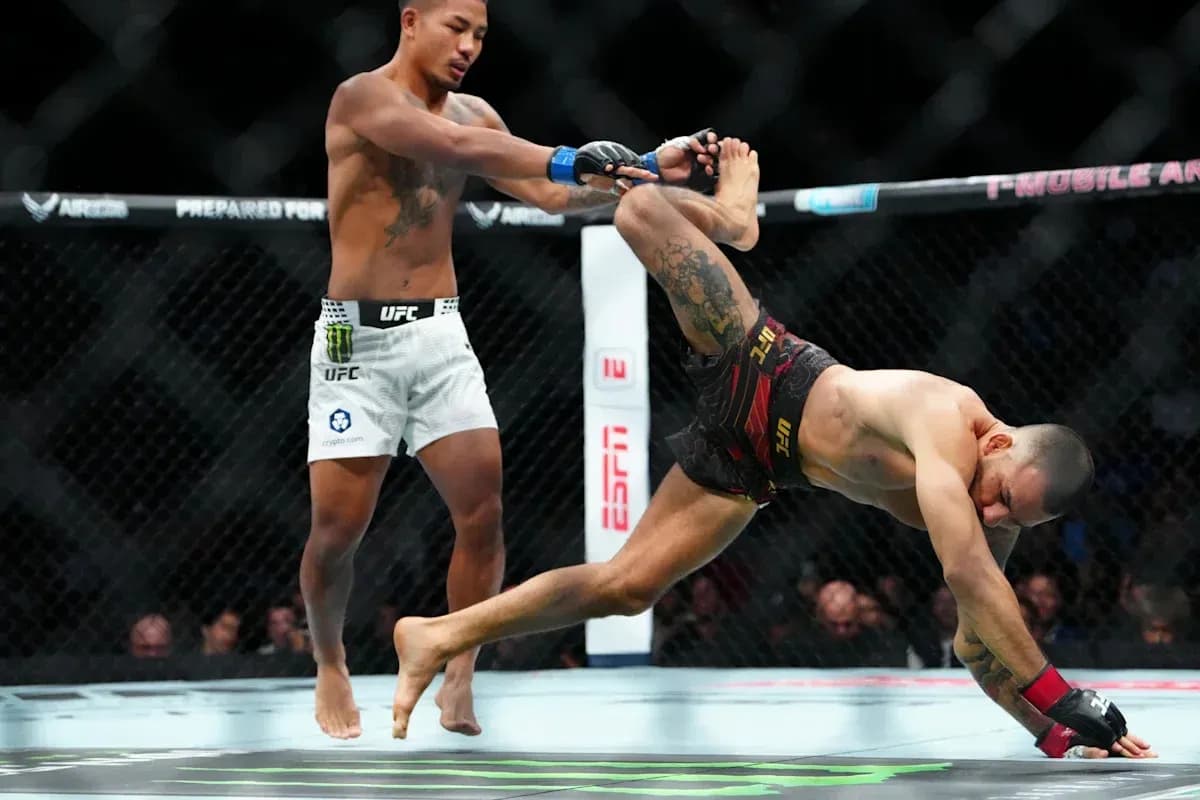
Cole “Wavy” Johnson thought he was making a joke.
One offhand claim that he could beat a chimpanzee in a fight has snowballed into one of the strangest, most disturbing combat proposals the internet has seen – and, he says, into offers worth more than half a million dollars.
The 1-0 amateur MMA fighter from Minnesota says it started with a social media post. He insisted he could take a chimp in a one-on-one fight. The clip exploded, drawing millions of views and a wave of people apparently willing to bankroll the spectacle.
Johnson claims the first serious offer dangled $500,000 for him to fly to an undisclosed country and face the animal. He says he walked away when he decided the would‑be promoter wasn’t trustworthy, and that deal collapsed.
Now, he insists, another group has come forward with even more money on the table. He hasn’t revealed the figure, only that it tops the original half‑million.
Around the story, a strange ecosystem has formed. A promotional website has reportedly appeared, ticking down to September 11. Social media accounts hint at a pay‑per‑view event. Memes, mock posters and breathless speculation have filled the gaps where hard facts are missing.
What Johnson himself has described is chilling. He has suggested the chimpanzee would be an adult male, unsedated, with its teeth and claws fully intact. He has even claimed that people would be on standby with tranquillizer guns in case the fight spun out of control.
There is, however, no independent confirmation that any such contest is actually scheduled, sanctioned or logistically real. Johnson has openly admitted his original boast was a joke. Around him, the rumours have raced far ahead of anything that could be verified.
And if it ever did happen, experts say the outcome could be brutal.
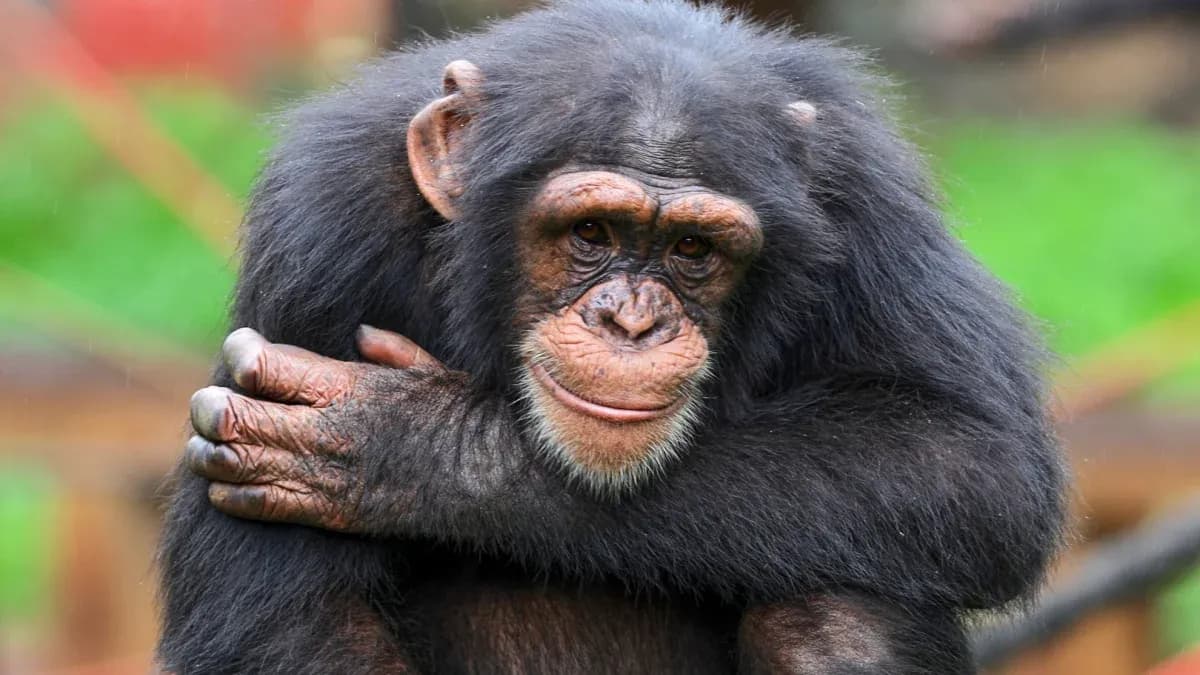
The key issue is not whether an MMA fighter “outskills” a chimpanzee under human rules. It’s that those rules would mean nothing to the animal. A chimp would bite, claw, grab and thrash with a body built for a different kind of violence.
Research published in the Proceedings of the National Academy of Sciences found that chimpanzee muscle can generate roughly 1.35 times the maximum dynamic force and power of human muscle of similar size. The same study highlighted a significantly higher proportion of fast‑twitch muscle fibers, the kind that deliver explosive power.
Primatologist Kimberley Hockings has examined real‑world chimpanzee attacks on humans. Her research into incidents in Bossou, Guinea, between 1995 and 2009 documented how confrontations can end: with serious, often horrific injuries.
Hockings has warned against reducing the danger to a single “X times stronger than a human” soundbite. It’s not just raw strength. Powerful jaws, long canine teeth, crushing grip strength and a distinctive, chaotic aggression all combine to make chimpanzees extraordinarily dangerous in close quarters.
That’s why the internet’s dark jokes about Johnson losing fingers or limbs sit uneasily alongside genuine fear for his safety. In a cage or ring, a chimpanzee would not respect weight classes, fouls or mercy. It would not understand tapping out. It would not stop.
Beyond the obvious human risk, the entire idea drags in serious questions about animal welfare and legality. Deliberately provoking a captive wild animal for entertainment cuts against modern standards in both sport and conservation, and any attempt to stage such a bout would face intense scrutiny.
The money sounds life‑changing. The damage could be exactly that – permanent, disfiguring and far beyond what any fighter signs up for when they agree to a sanctioned bout.
Whether this ever leaves the realm of viral fantasy remains uncertain. The science, and the scars of past encounters, are not.