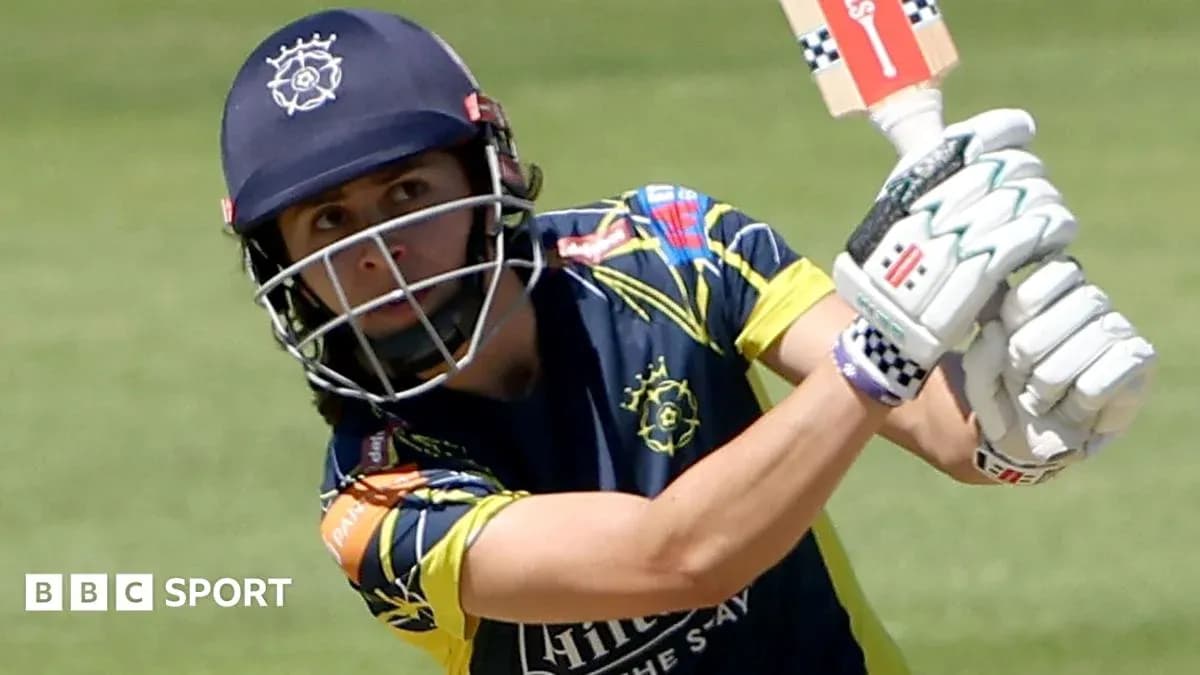

Connor Esterhuizen's Maiden Century Leads South Africa to Victory Over Namibia
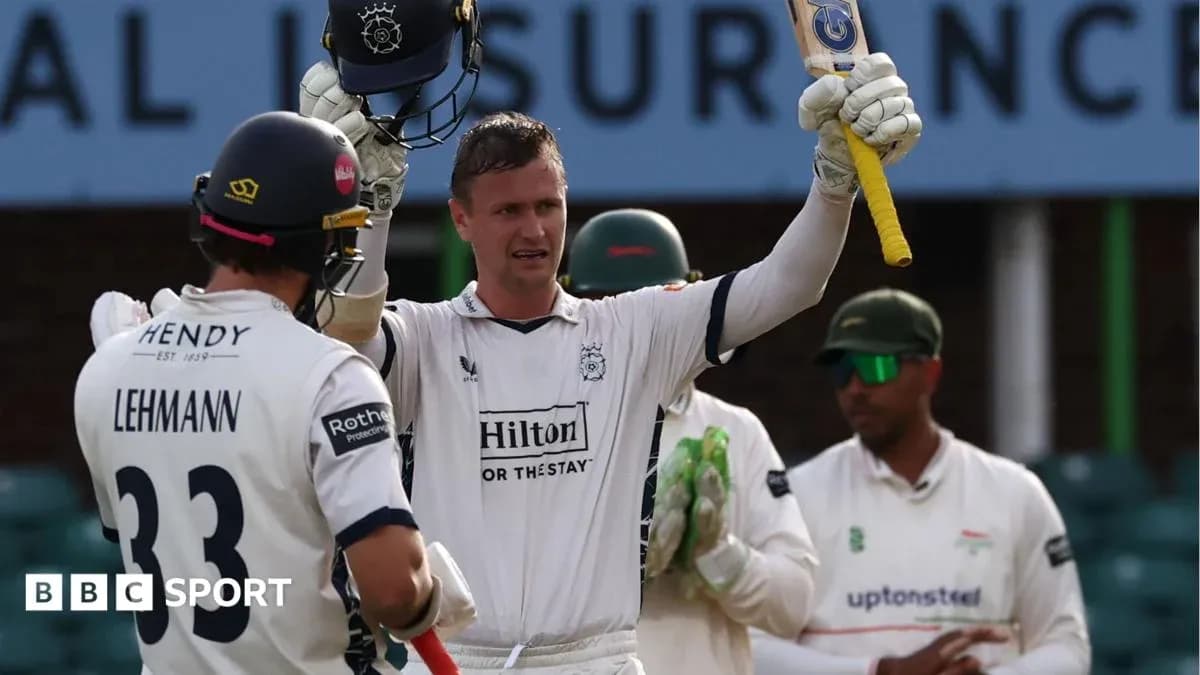
Connor Esterhuizen walked off in Windhoek with his bat raised and his helmet under his arm, the Namibia Cricket Ground reduced to a hush that sounded a lot like acceptance. South Africa’s new opening batsman had just carved out his first One Day International century, a commanding 119 that turned the second ODI into a procession and the series into a done deal.
South Africa, sent in to bat, piled up 335-9 from their 50 overs and then ripped through Namibia for 178 to seal a 157‑run victory and a 2-0 lead in the three-match series.
A statement, not a contest.
Esterhuizen announces himself
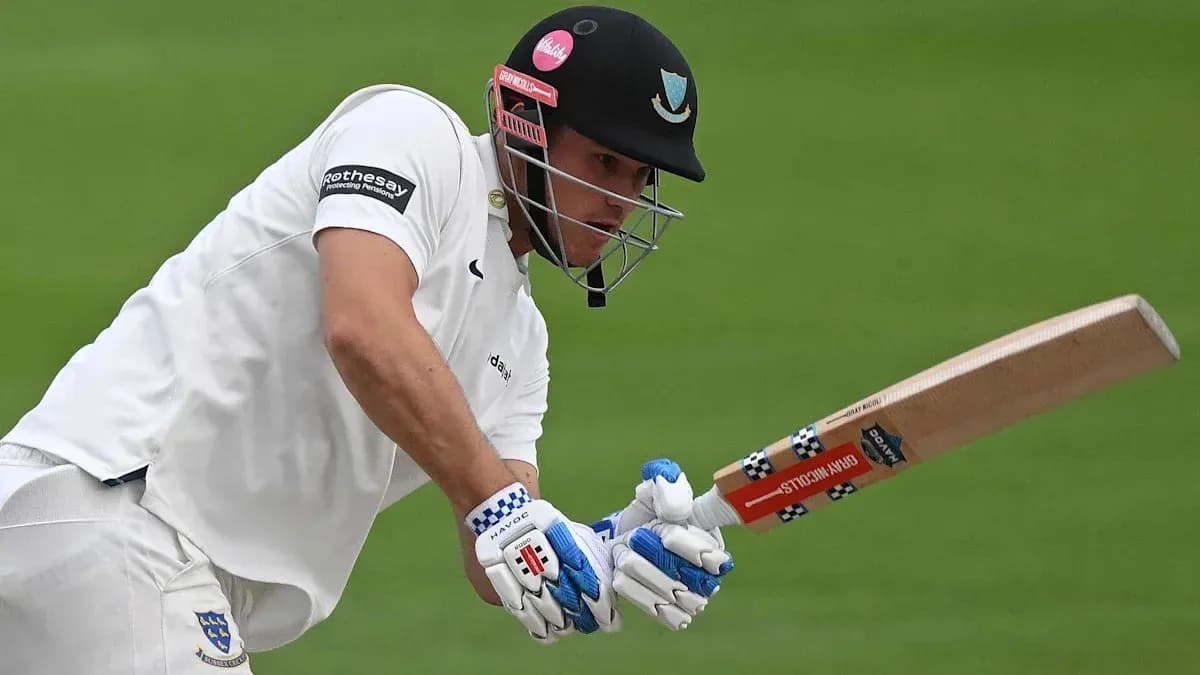
Esterhuizen did not nurdle his way to three figures. He controlled the innings. Once he settled, he dictated terms.
After the early loss of the first wicket, he found the perfect partner in Tony de Zorzi. Together they built an alliance that broke Namibia’s grip on the game and then their resolve. The pair added 183 for the second wicket, a stand that felt decisive long before it ended.
De Zorzi’s 79 was busy, precise, and perfectly timed. He rotated the strike, punished anything loose, and gave Esterhuizen the space to open up. By the time that partnership was finally broken, Namibia’s bowlers were searching for answers and their captain was running out of options.
Jack Brassell, Namibia’s standout quick, refused to go quietly. He kept charging in and finished with 4-64, the one bowler who consistently threatened to pull the innings back. His wickets checked South Africa’s momentum late on, but the damage was already done. With 335 on the board, the visitors had more than enough.
Namibia floored early
If Namibia needed a strong start to believe, they got the opposite.
Their top order simply vanished.
The first three batsmen went without scoring, leaving the hosts stunned and the scoreboard brutal. At 32-5 in the 11th over, any talk of a chase turned into a battle for respectability.
South Africa’s new-ball pair ripped through them. Duan Jansen set the tone with a hostile, disciplined spell, taking 4-31 and striking at key moments. From the other end, Ethan Bosch was relentless, his 3-27 tightening the noose with every over. The ball kept finding edges, pads, and stumps; Namibia kept finding trouble.
Erasmus fights a lone battle
In the middle of the wreckage stood Gerhard Erasmus.
The Namibia captain played the only innings that resembled resistance, compiling 68 while everything around him crumbled. He picked his gaps, refused to be rushed, and tried to drag his side into something resembling a contest.
His effort, though, became a solitary act. Wickets continued to fall, partnerships never settled, and the asking rate ballooned out of reach. When the final wicket fell with 8.1 overs still left, Namibia were 178 all out, miles short of the target and outplayed in every department.
Series in the bag, bigger stage ahead
This was not an isolated performance. South Africa had already dominated the opening ODI on Wednesday, winning by 99 runs via the Duckworth-Lewis-Stern method in a rain-hit game. Two matches, two heavy defeats for Namibia, and a series wrapped up with one game to spare.
Sunday’s final ODI, the last match of the first-ever series between these two countries, now carries a different kind of weight. The result is settled, but the context is not.
South Africa and Namibia will co-host next year’s World Cup alongside Zimbabwe. These are not just warm-up fixtures; they are early clues. Esterhuizen’s hundred, Jansen and Bosch’s new-ball burst, Erasmus’s defiance in a losing cause — all of it feeds into a bigger question.
When the World Cup arrives on African soil, which of these sides will be ready to seize the moment?