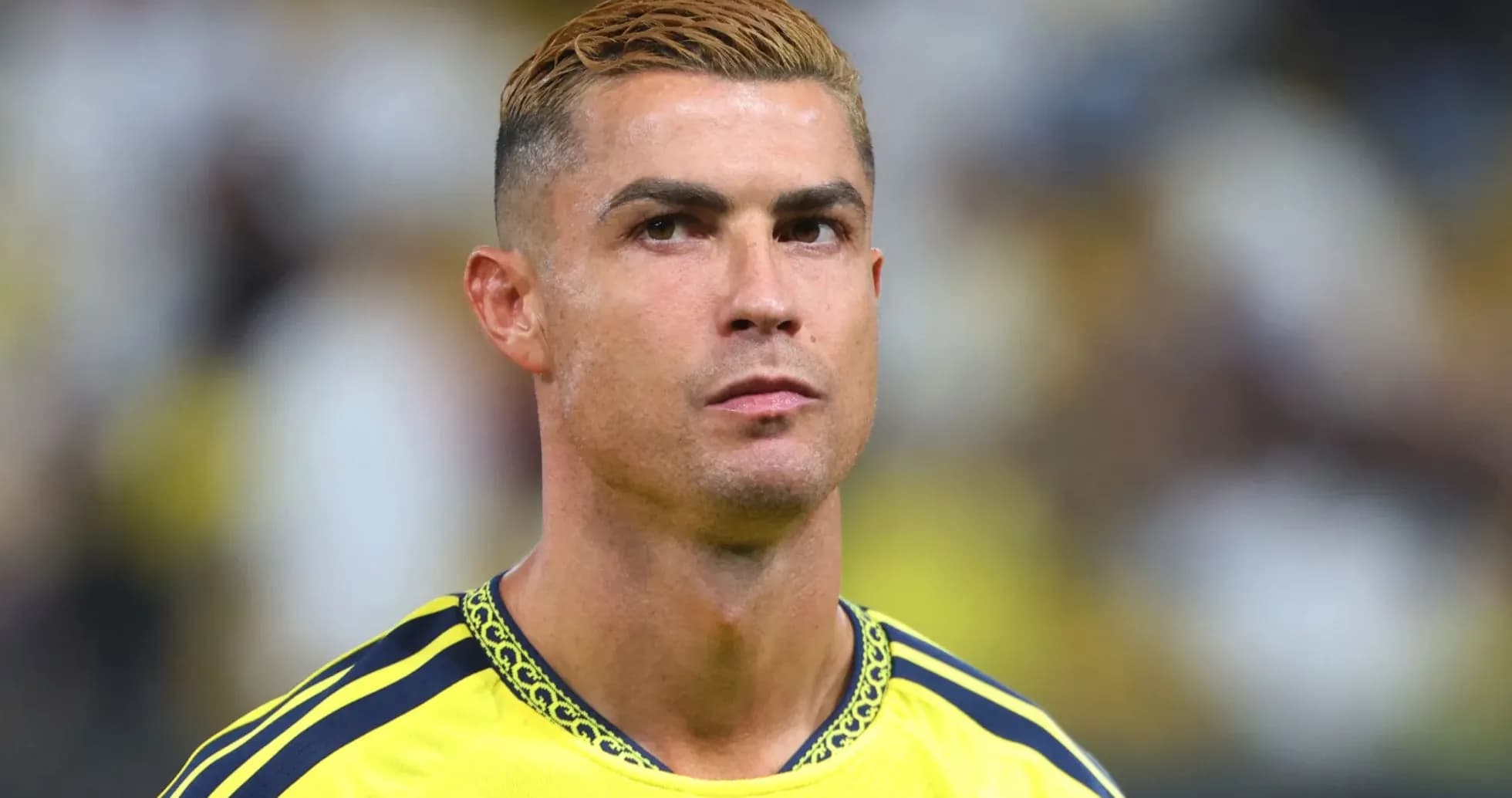
Cristiano Ronaldo's Future in Saudi Arabia: How Long Can He Play?
Cristiano Ronaldo has spent two decades bending football to his will. Now, for the first time, the game is starting to ask a question he cannot outrun: how long can he keep going?
At international level, the debate is already raging. After reaching a scarcely believable 233 caps for Portugal, his role with the national team is under scrutiny. His 2026 World Cup campaign failed to ignite in the way he or Roberto Martinez would have hoped, and he was not alone in that. Several big names in that squad drifted through the tournament without leaving the imprint their reputations demanded.
A record-breaking seventh World Cup in 2030, when the tournament lands in Portugal, Spain and Morocco, has effectively been ruled out. Ronaldo would be in his mid-40s by then. Even for a player who has redefined longevity, that stage feels out of reach.
Euro 2028 remains a faint possibility if the competitive fire still rages. But the spotlight, increasingly, is narrowing to club football and to Saudi Arabia, where Ronaldo is under contract until the summer of 2027 on the most lucrative deal in the sport.
From the outside, his future in the Saudi Pro League looks like a guessing game. From the inside, according to Gus Poyet, it is anything but.
“Until he wants”
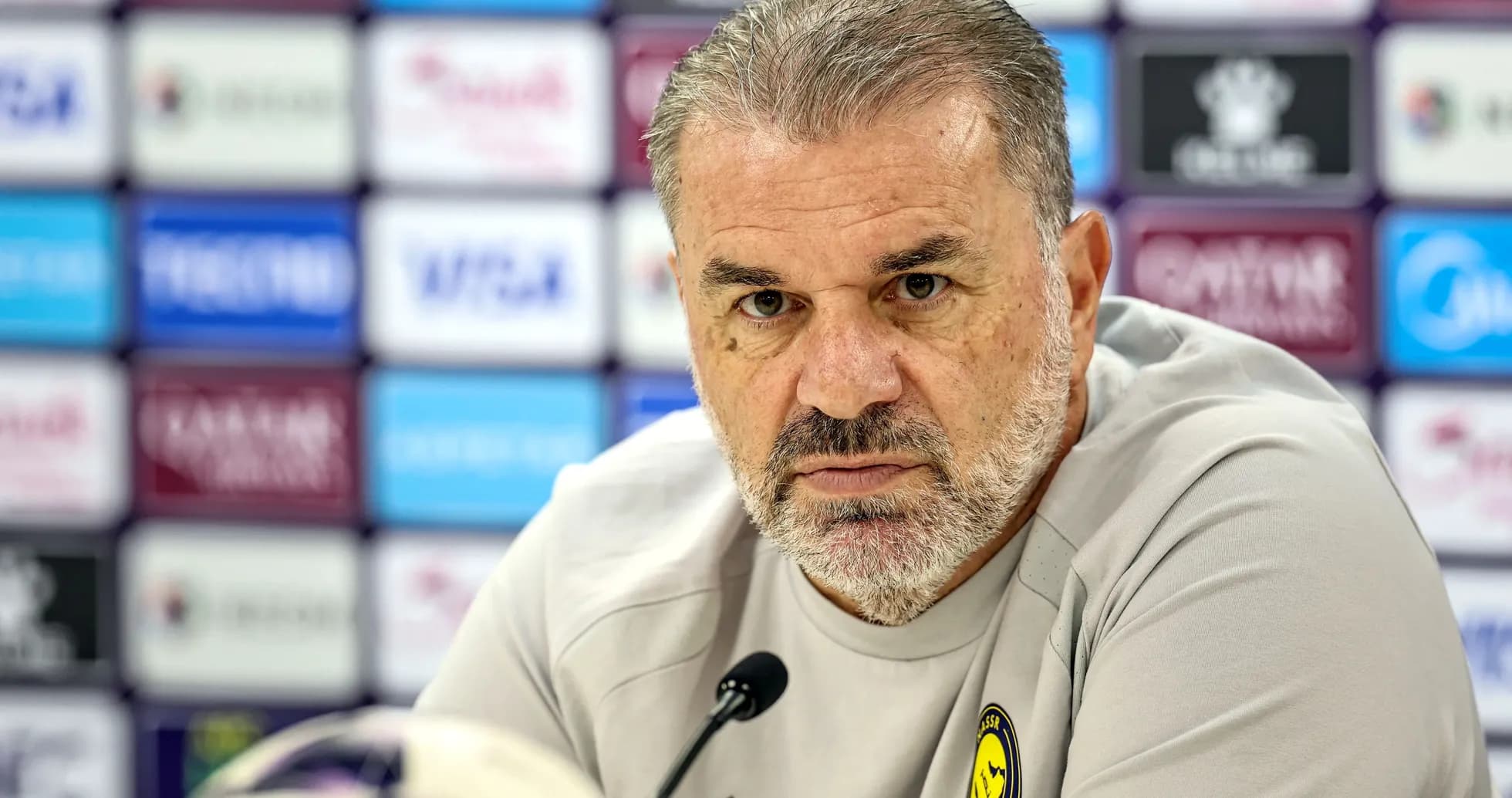
Poyet, who recently spent a month in Saudi Arabia studying the league from close quarters, has a simple answer when asked how long Ronaldo can keep playing there.
“Until he wants,” he told GOAL, speaking in association with Gambling.com.
That sounds like a soundbite. It is not. It comes from someone who has seen the landscape up close and believes the structure of Saudi football is tailor-made for a phenomenon like Ronaldo.
Poyet describes a league split into distinct tiers. At the top sit four government-backed clubs with the financial muscle to sign “special players” who can tilt the balance of entire seasons. Just below them, he says, are another three or four ambitious private clubs, one of them led by Brendan Rodgers, all pushing hard with strong facilities and gleaming new stadiums.
Then the drop-off hits.
Beneath that group lies a cluster of six or seven sides locked in a permanent fight against relegation. For those clubs, the foreign-player slots are a lifeline. Miss on two of them, Poyet warns, and “you’re dead, you go down”. There is no margin for error, no room for passengers, no space for romantic projects.
Poyet’s month in the country sharpened his view. Watching from the stands is one thing. Coaching, feeling the tempo in training sessions, seeing who can run and who wilts in the heat, is quite another. Experience is prized, he notes, but experience often comes with age, and age does not always mix kindly with the physical demands of the climate and the league.
A league built for a superstar
Drop Ronaldo into that ecosystem and the equation changes. He is not a luxury; he is the axis.
“When you go to another team, with Ronaldo, then you have a different kind of situation,” Poyet says. The implication is clear: the presence of CR7 drags standards up, tilts tactics around him and forces opponents to bend their plans.
Ronaldo is no longer the whirring, explosive wide forward who terrorised full-backs at Manchester United and Real Madrid. The years have taken the edge off his acceleration and his agility. He knows it. Everyone does.
But physically, in Poyet’s eyes, there are still “not many players like him”. The body remains a weapon, even if used differently now. The movement is more economical, the bursts more calculated, the game increasingly played in the penalty area and in the mind.
That is part of why Saudi Arabia suits him at this stage. The league offers a high enough level to keep him engaged and relevant, but not the relentless, suffocating churn of the European elite. The spotlight is still intense, the goals still count, the trophies still matter.
Ronaldo, Messi and the late-career map
Poyet draws a neat parallel with Lionel Messi’s move to MLS. The Argentine has taken his genius to a competition that has grown into one of the top divisions in world football in terms of profile and structure, even if it sits outside the traditional European power base.
“There is certain moments for certain leagues and Ronaldo can still play,” Poyet insists.
This is the late-career map for the greatest of their generation: a step away from the Champions League furnace, not into retirement, but into leagues that offer a different kind of challenge and a different kind of spotlight. Less about proving they belong at the summit, more about stretching out the final act for as long as their bodies and minds allow.
Chasing an impossible number
The question that lingers over all of this is not just “how long” but “how much”.
Ronaldo has spent his life chasing numbers that once looked absurd. Now another one hangs in the air: 1,000 career goals. It is not guaranteed, not mathematically inevitable. But it is there, close enough to be whispered about, distant enough to remain a genuine feat.
Poyet does not sit on the fence.
“I think he’s staying,” he says of Ronaldo’s Saudi adventure. “I don’t think the time for retirement comes before 1,000 goals. No way. That would be insane.”
So the picture is set. International questions will continue, Portugal will evolve, and a seventh World Cup will pass without him. But in Saudi Arabia, under the desert floodlights, Cristiano Ronaldo still has a league that bends to his presence and a number that refuses to let him go.