Daniil Medvedev Dominates as US Open Begins with Drama
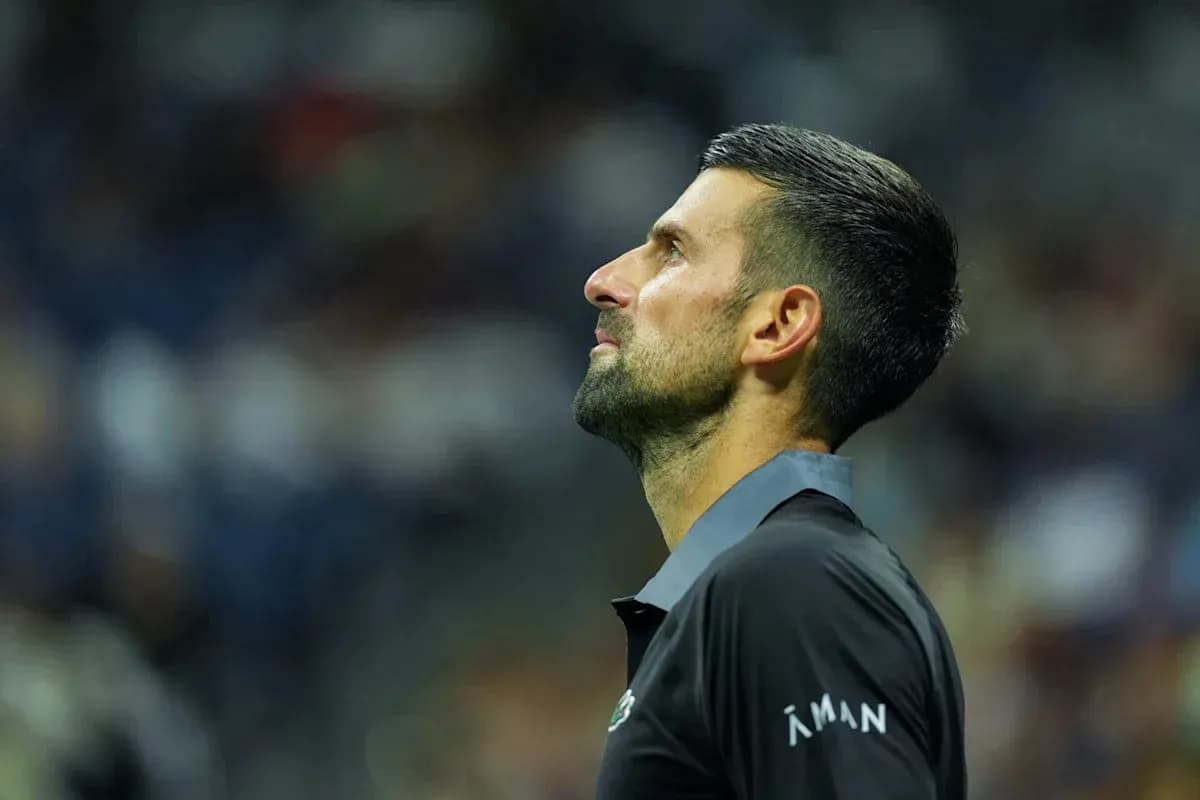
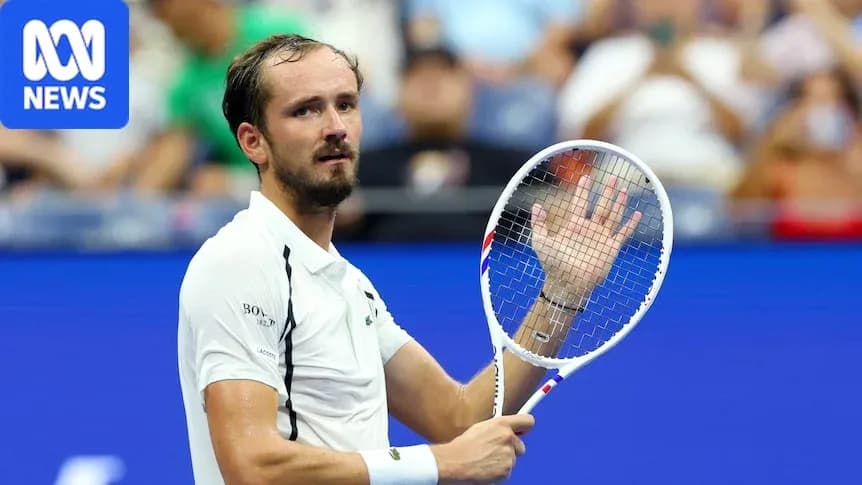
Daniil Medvedev has never minded being the villain in New York. On Sunday night at Arthur Ashe Stadium, he played the executioner instead.
Twelve months after a shock first-round exit, the 2021 US Open champion tore through France’s Hugo Gaston 6-4, 6-2, 6-4, delivering the kind of cold, clinical performance that silences doubts and stirs memories of his title run.
He did it his way: 34 winners, relentless depth, not a hint of mercy.
“You need to play your game — I knew he was going to do some drop shots, some underarm serves,” Medvedev said. “I needed to make some winners, put some pressure on him.”
He did exactly that from the start. Gaston arrived with his usual bag of tricks, all soft hands and angles, but Medvedev’s long stride and anticipation swallowed up the Frenchman’s creativity. The first crack came in the seventh game of the opening set, when Gaston blinked, pushing a backhand wide to hand over the break. Medvedev didn’t look back, locking down his serve and closing the set with the air of a man who had already seen this match in his head.
The pressure only tightened.
In the second set, the seventh seed raised his level another notch. Gaston, already straining to hold, donated the break in the third game by smacking a forehand into the net. Medvedev smelled blood. On break point in the seventh game, he launched himself into the air and ripped a backhand that sailed past Gaston and landed perfectly out of reach, a shot that summed up the night: bold, precise, ruthless.
This from a player who, only days earlier, had joked about pondering a future in pickleball after an opening-match defeat in Winston-Salem. Any doubts about his appetite for the fight vanished under the Ashe lights.
The third set began with more punishment. Medvedev pounced immediately, converting another break point in the opening game by whipping a forehand by the Frenchman. Gaston never found a way back. Medvedev protected his lead with the calm of a seasoned champion and finished the job with an unreturnable serve, a clean full stop on a night that felt like a reset.
Next up, he faces the winner of the late match between American wildcard Sebastian Gorzny and Belgian Raphael Collignon, a far less pressing concern than the ghosts he just chased away on the stadium where he once stunned Novak Djokovic.
Cilic and Ruud withdrawals reshape the men’s draw
While Medvedev was restoring order on Ashe, the men’s field lost two of its most recognisable names.
Former champion Marin Cilic, who lifted his only major trophy at Flushing Meadows 12 years ago, withdrew with an unspecified injury shortly after the tournament began. The 37-year-old Croat, a fixture of the tour’s last decade, was replaced in the draw by lucky loser Otto Virtanen.
Virtanen, who himself had pulled out of his third-round qualifying match against Grigor Dimitrov with an injury, now finds himself thrust into the main event. His reward: a daunting opening-round meeting with 23rd seed Andrey Rublev.
Cilic’s absence adds to an increasingly crowded injury list. Jannik Sinner, Jack Draper, Joao Fonseca and Holger Rune are all missing from this year’s tournament, a cluster of withdrawals that strips some star power and opens up pockets of opportunity across the draw.
Casper Ruud’s decision to pull out only deepened that sense of shift.
The 2022 US Open runner-up, who pushed Carlos Alcaraz in a high-quality final four years ago, could not recover in time from the back injury that forced him to retire during the second set of his Cincinnati Open match against Christopher O’Connell earlier this month. The 27-year-old announced his withdrawal on Instagram, explaining that his back “hasn't healed as quickly as we had hoped” and that he and his team chose to think “long-term” and allow his body the time it needs.
Ruud described himself as “very sad” to miss the tournament and called skipping a Grand Slam “never easy,” but underlined that he intends to “recover properly and come back stronger.”
His place in the draw goes to another lucky loser, Arthur Gea. The Frenchman steps into a high-profile slot and opens against Juan Manuel Cerundolo, a match that suddenly carries added intrigue in a section that once belonged to a former finalist.
Ruud did at least manage to taste some New York competition last week in the revamped mixed doubles event, partnering Diana Shnaider. Their run ended in the quarterfinals at the hands of Rublev and Mirra Andreeva, and now his season takes an enforced pause.
Pegula steadies, then surges as No. 1 race looms
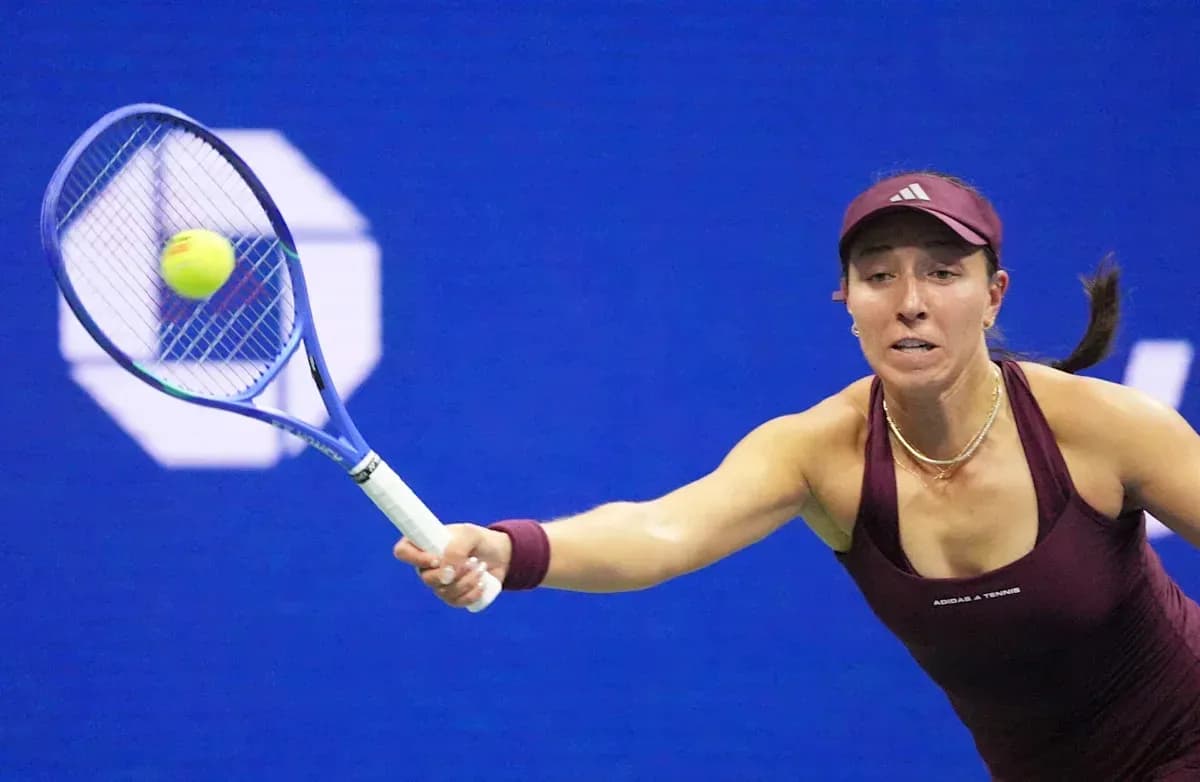
On the women’s side, Jessica Pegula walked onto Ashe carrying something heavier than a racket bag: the weight of possibility.
The world No. 3, a former finalist here, started tight against Elena-Gabriela Ruse. Serving first on the tournament’s biggest stage, she looked edgy, missing her first nine break-point chances and searching for her timing. The nerves were no secret.
“I was so nervous,” Pegula admitted. She joked that she had been sending GIFs of people “freaking out and stuff” before the match, a light-hearted way of acknowledging what every player feels in the first round of a Slam.
Once she settled, the match flipped. Pegula found her range on serve, began stepping into returns, and gradually squeezed the resistance out of Ruse. From that shaky opening, she turned the afternoon into a statement, winning 92% of her first-serve points and closing out a 6-3, 6-2 victory in 83 minutes.
The numbers behind her season explain the tension. Pegula leads the women’s tour with 46 match wins this year. She owns two titles and has reached three other finals, including a recent run to the Cincinnati Open final, where she lost to Coco Gauff.
Now the stakes sharpen. If Pegula can finally claim her first major title in New York and No. 2 Elena Rybakina falls before the semifinals, the American will rise to No. 1 in the world. It is the kind of scenario that can tighten the shoulders in round one and electrify a fortnight if the wins keep coming.
On a day when a former men’s champion and a recent finalist both disappeared from the draw, Pegula and Medvedev did the opposite. They planted a flag.
The US Open has only just begun, but the tone is set: opportunity for some, closure for others, and for a select few, the chance to turn nervous energy into something far more dangerous.