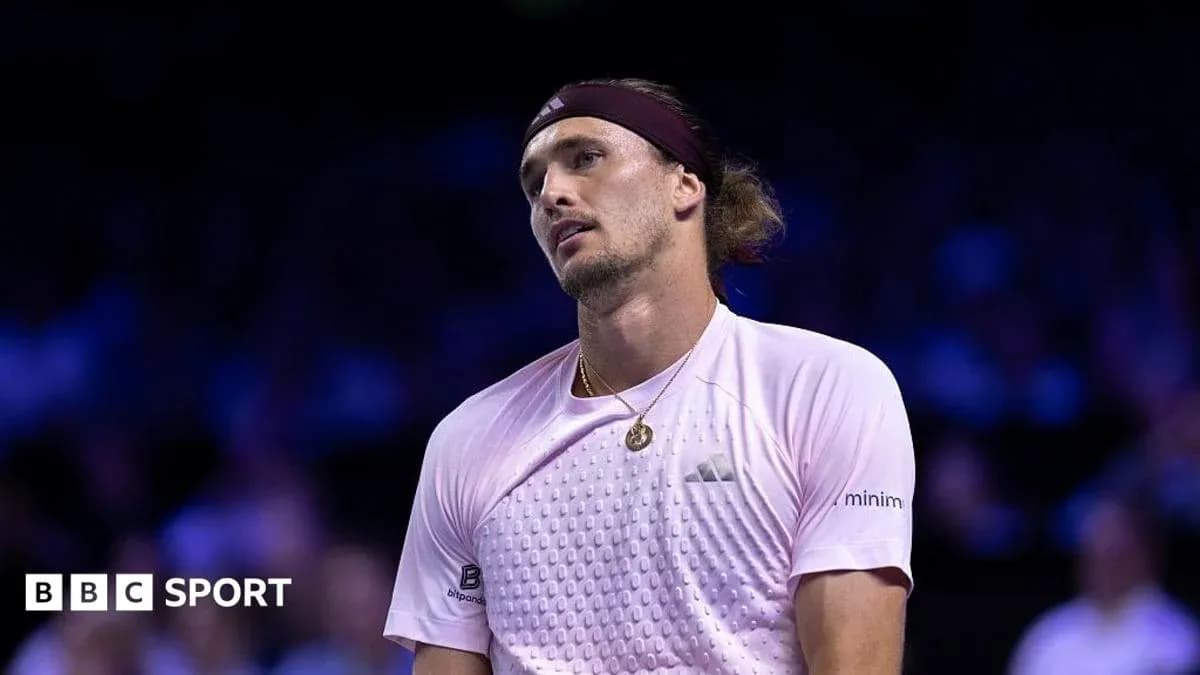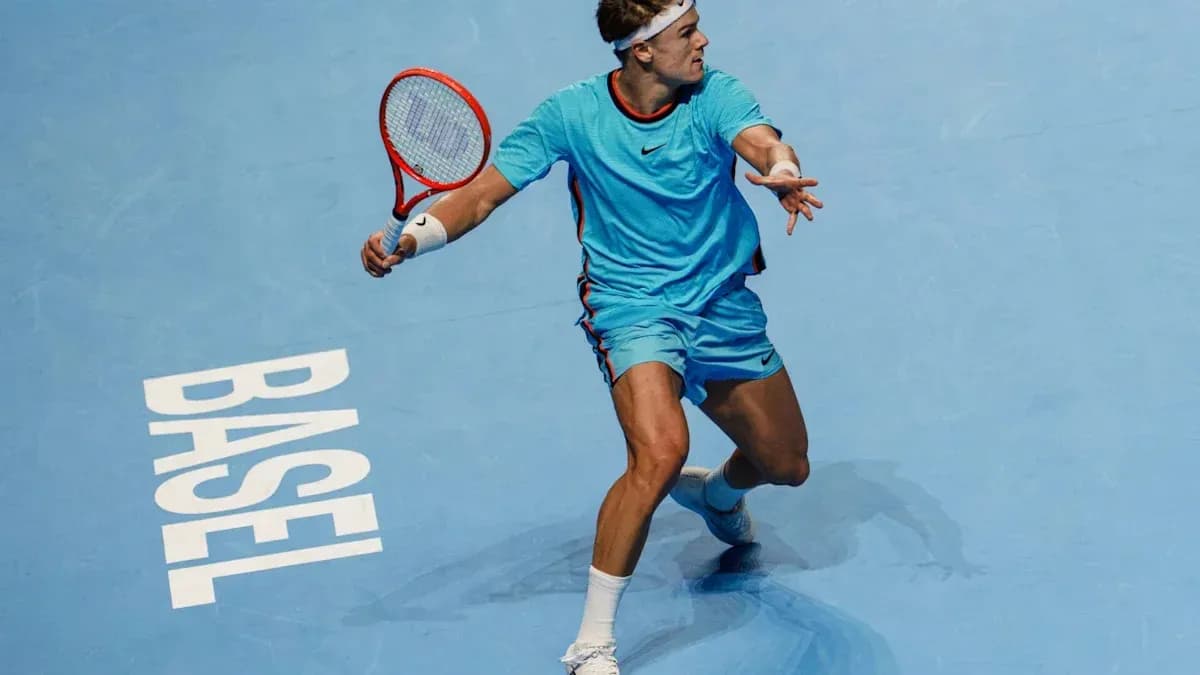
Holger Rune's Comeback: From Injury to Contender
Holger Rune’s long road back from the abyss is finally starting to look like a climb rather than a crawl.
Three ATP Tour events into his comeback and the results column is still modest, but the signs? Those are loud.
From Japan jitters to Basel belief
Rune’s official return came in Japan after a Davis Cup outing, and it was brutal. The 23-year-old was swept aside by Kyrian Jacquet, a defeat as one-sided as it was sobering. The timing, the rust, the lack of rhythm – it all showed. For a player who had been out for so long, there was never going to be a smooth glide back into the tour.
Shanghai brought another first-round exit. On paper, more of the same. On court, something different. Rune, who had publicly apologised for his earlier level, began to stitch together patches of the old quality – cleaner ball-striking, more bite on the return, a bit more stubbornness in the rallies. Not enough to win, but enough to suggest the engine was finally turning over.
Then came Basel, and with it, something tangible.
This wasn’t just about “good signs” anymore. This was about real wins, real resistance, and a real reminder of why he matters at the sharp end of the sport.
Basel: where the work starts to show
Rune’s decision to pull out of Brussels was met with broad understanding across the locker room. No one expected a player sidelined for almost a year to breeze back through the calendar without pauses or setbacks. The question was never whether he would need to manage his body. It was how he would respond once he did.
Basel delivered that answer.
In the opening round, he dug in. Quentin Halys pushed him deep into a third set, but Rune refused to fold, dragging the match into a tiebreak and then edging it. It was scrappy, tense, imperfect tennis – and exactly what he needed. A first win back. A proper one, earned the hard way.
Then he raised the bar.
Next up was Hubert Hurkacz, one of the form players on tour. Rune didn’t just hang with him; he beat him, again in a deciding-set tiebreak. That result cut through the noise. You don’t outlast someone of Hurkacz’s calibre in a third-set breaker if your fitness work has been half-hearted or your belief still fractured. The old competitive edge, the willingness to stay in the trenches, was clearly still there.
His run ended against Valentin Vacherot in another three-set battle, but that defeat barely dented the mood. After nearly a year on the sidelines, Rune wasn’t limping out of tournaments anymore. He was contesting them, pushing them deep, testing both his body and his game under pressure.
The level doesn’t just vanish. It waits. Basel suggested his is coming back.
Eleven brutal months
To grasp the weight of this resurgence, you have to rewind.
Rune’s injury struck during the Stockholm Open semi-final, where he led Ugo Humbert by a set. Then came the moment every athlete dreads: a horrific Achilles injury on 18 October 2025. Seasons can unravel on injuries far less serious than that. Careers, too.
The layoff that followed was immense. While the tennis world tracked Carlos Alcaraz’s five-month absence and watched Jannik Sinner shut down his season early, Rune’s ordeal stretched on even longer, quieter, and harsher. He did not just miss a chunk of the year; he missed almost all of it.
His first steps back came in the Davis Cup, but his true return to ATP Tour action had to wait until 1 October this year. From the night the Achilles went in Stockholm to that first match back: 348 days. Eleven months and 13 days of rehab, frustration, and doubt.
The gap between that match and his first win was even more telling. Rune had to endure a 373-day drought at tour level before finally breaking it in Basel against Halys. Over a year without a main-tour victory for a player of his talent is not just a statistic; it’s a psychological test.
He passed it in a tiebreak.
A dangerous 2026 on the horizon?
What Basel offered was not a fairy-tale title run or a miraculous sprint to a trophy. It offered something more realistic and arguably more important: proof that the foundation is back.
He’s trading blows again with top players. He’s winning long matches. His body is holding up under stress. The decision-making looks sharper, the footwork less tentative, the mindset more assured.
Give him a full, uninterrupted off-season and the picture shifts dramatically. By the time the tour hits Australia, Holger Rune won’t just be another comeback story. He’ll be a contender with nearly a year’s worth of pent-up ambition and a rebuilt body to match it.
After 373 days in the wilderness, that should worry a lot of people in the locker room.