DeMar DeRozan's New Role as Denver Nuggets Sixth Man
DeMar DeRozan has spent a career walking into arenas as a headliner. In Denver, he’ll walk in as something else entirely: the leader of a second unit that might end up defining the Nuggets’ season.
Days after losing Peyton Watson to the Cleveland Cavaliers, the Nuggets moved fast and big, landing the six-time All-Star on a deal that instantly reshapes their bench. They’ll miss Watson’s length and energy, and Tim Hardaway Jr.’s shooting won’t be easily replaced either. But Denver didn’t go looking for like-for-like. They went looking for control, craft, and a closer for their non‑Jokic minutes.
They found DeRozan.
A Star Asked to Sit
Here’s the twist. For the first time since his rookie year with the Toronto Raptors in 2009-10, DeRozan is headed for a bench role. He has started 1,199 straight regular-season games. That’s not just a streak; that’s an identity.
Now he’s the sixth man.
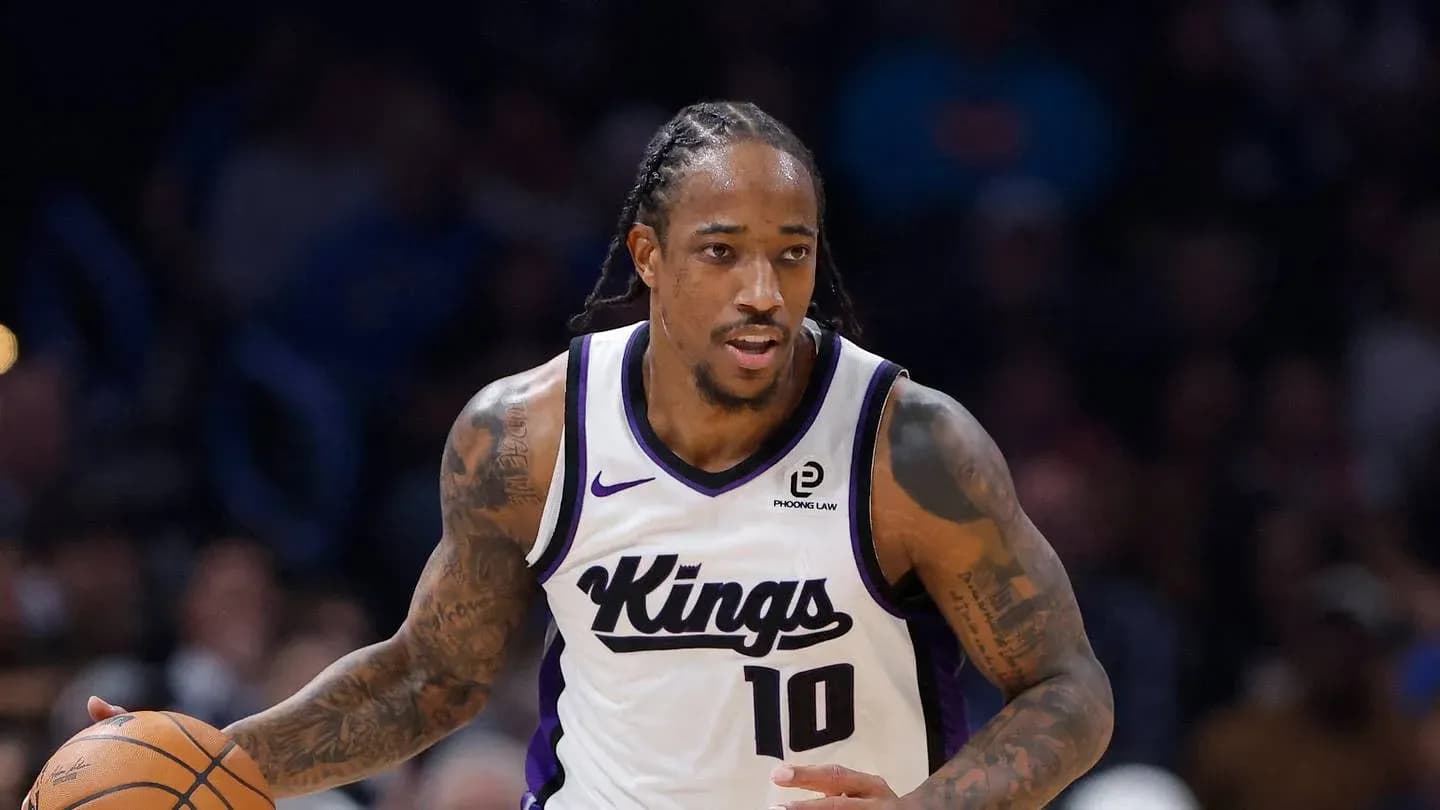
For most veterans at 37, a move to the bench signals the beginning of the end. For DeRozan, it might be the sharpest way to extend his prime. He arrives from the Sacramento Kings after averaging 18.4 points, 2.9 rebounds, and 4.1 assists in 31.2 minutes per game last season — still heavy starter’s numbers, still high-end production.
In Denver, those minutes will come down. The expectation is something closer to 26–28 a night, firmly in the traditional Sixth Man window, which usually runs from the low 20s to low 30s in minutes. But the role will be anything but small.
He won’t be hiding in the corner. He’ll be running the show.
The Sixth Man Race
Oddsmakers already see it. FanDuel Sportsbook has released its early board for the 2026-27 NBA Sixth Man of the Year award, and DeRozan sits fifth in the race at +1800 (18/1).
Ahead of him:
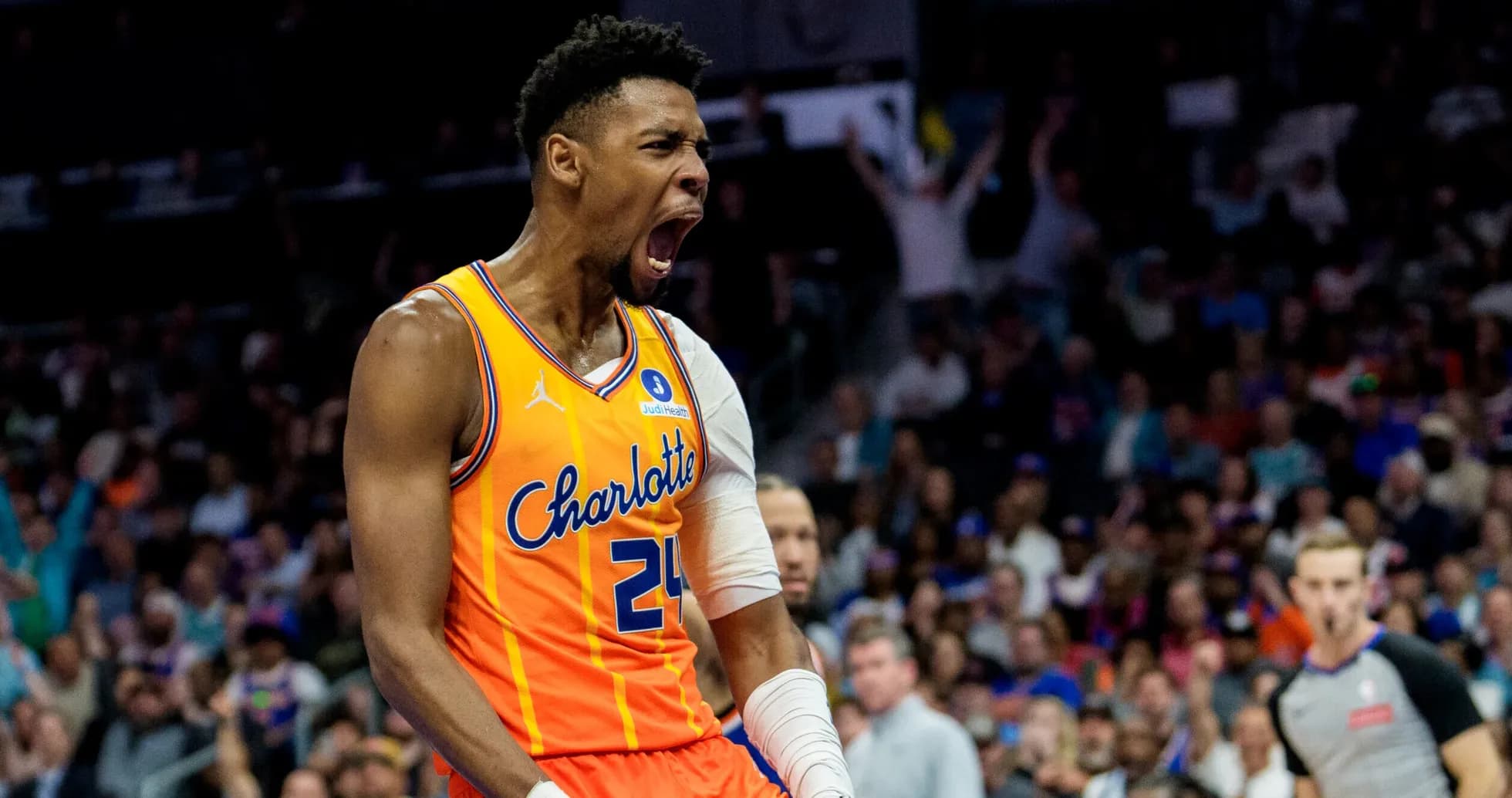
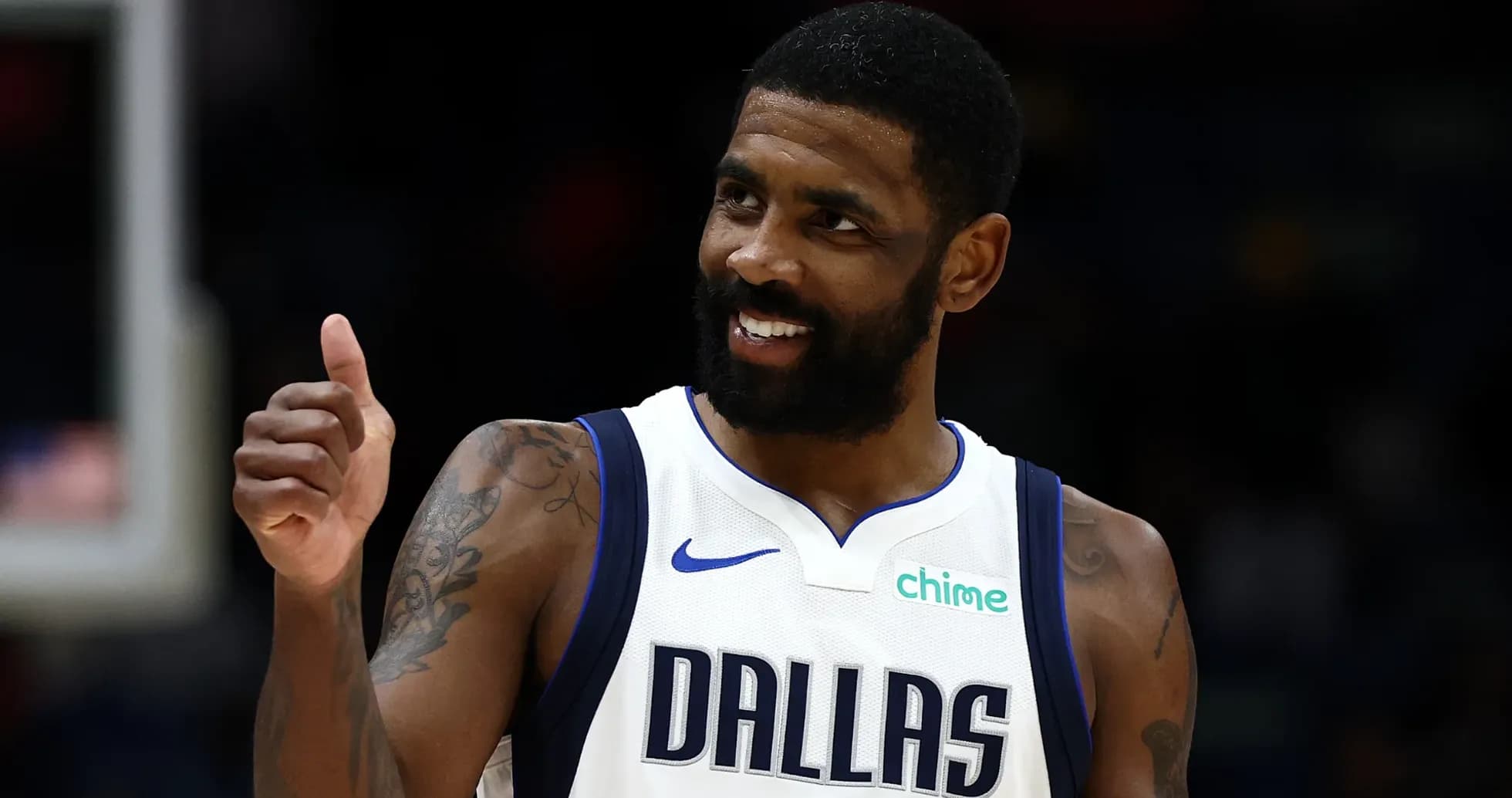
- Ajay Mitchell, OKC Thunder (+500)
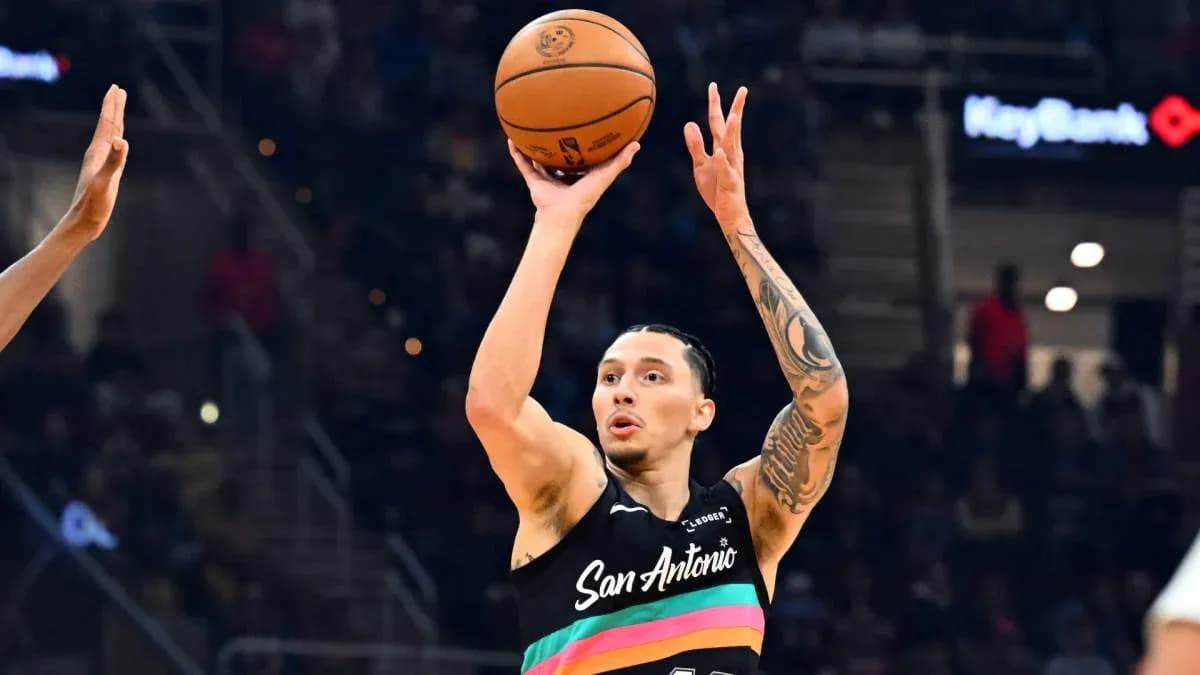
- Dylan Harper, San Antonio Spurs (+700)
- Anfernee Simons, Philadelphia 76ers (+1500)
- Ayo Dosunmu, Minnesota Timberwolves (+1500)
- DeMar DeRozan, Denver Nuggets (+1800)
So he’s not the favorite. He’s not even top three. But the profile is there: high-usage, trusted veteran, anchoring one of the league’s best teams when the starters sit.
And there’s history at stake. If he wins it, DeRozan would become the oldest Sixth Man of the Year in NBA history, surpassing Jamal Crawford, who took the award at 36 in 2015-16. It’s a demanding role physically and mentally. You have to accept less spotlight and still deliver star-level impact in shorter bursts.
Few players are better built for that kind of responsibility than a mid-range assassin who has made a career of controlling tempo.
The Fit in Denver
Yes, the concerns are real. DeRozan is not a plus defender at this stage, and he offers little from beyond the arc. On paper, that doesn’t scream “perfect Nuggets role player” in a system that thrives on spacing and defensive versatility.
But Denver’s second unit hasn’t needed another spot-up shooter as much as it has needed a grown-up with the ball.
DeRozan gives them a primary ball-handler off the bench and a clear offensive hierarchy when Nikola Jokic and Jamal Murray sit. He can live in the mid-post, dictate matchups, and drag the game into his comfort zone when bench lineups tend to get frantic. Those non-star minutes have burned contenders before. The Nuggets are trying to make sure they don’t burn them again.
There will be nights when that security blanket stretches into closing time. If Denver needs another creator or a late-game bucket, DeRozan will be an obvious option to share the floor with Jokic. His track record in big moments backs that up — he has finished top-three in Clutch Player of the Year voting in two of the last four seasons.
He may not be the first option anymore. He might not even be the third. But when the game slows and the noise rises, he still gets to his spots as well as almost anyone in the league.
Built for the Role
This is the trade-off DeRozan accepted by choosing Denver: fewer minutes, fewer touches with the starters, more responsibility as the engine of the bench. Instead of fading into the background as a third or fourth option in the opening lineup, he becomes the unquestioned focal point of the second unit.
The Nuggets will hand him the keys when the stars sit and ask him to run the offense, score, and organize. That’s not a demotion. It’s a redefinition.
His game suits it. He remains one of the league’s most reliable mid-range scorers, and age has only sharpened his understanding of angles, timing, and pace. He doesn’t need elite burst to carve out space. He just needs the ball and a defender who blinks.
If he lands in that 26–28 minute range, with strong scoring numbers and a steady diet of closing minutes in tight games for a top-tier team, his Sixth Man of the Year case writes itself. The odds say he’s an outsider. The role says otherwise.
The Nuggets didn’t sign DeMar DeRozan to be a nostalgia act. They signed him to steady the season when Jokic sits — and to chase an award that, at 37, would rewrite what a sixth man can be.