Denver Nuggets: Key Questions Ahead of 2026-27 Season
The countdown in Denver has started. One month from now, the Denver Nuggets walk into Oklahoma City, into a building that belongs to Shai Gilgeous-Alexander, with Nikola Jokic on the other side and the 2026-27 season on the line from the opening tip. Training camp hits in a week. Preseason in two. The questions are already louder than the layup lines.
Three of them define this Nuggets team before a single ball is tossed in October.
DeMar DeRozan, Sixth Man?
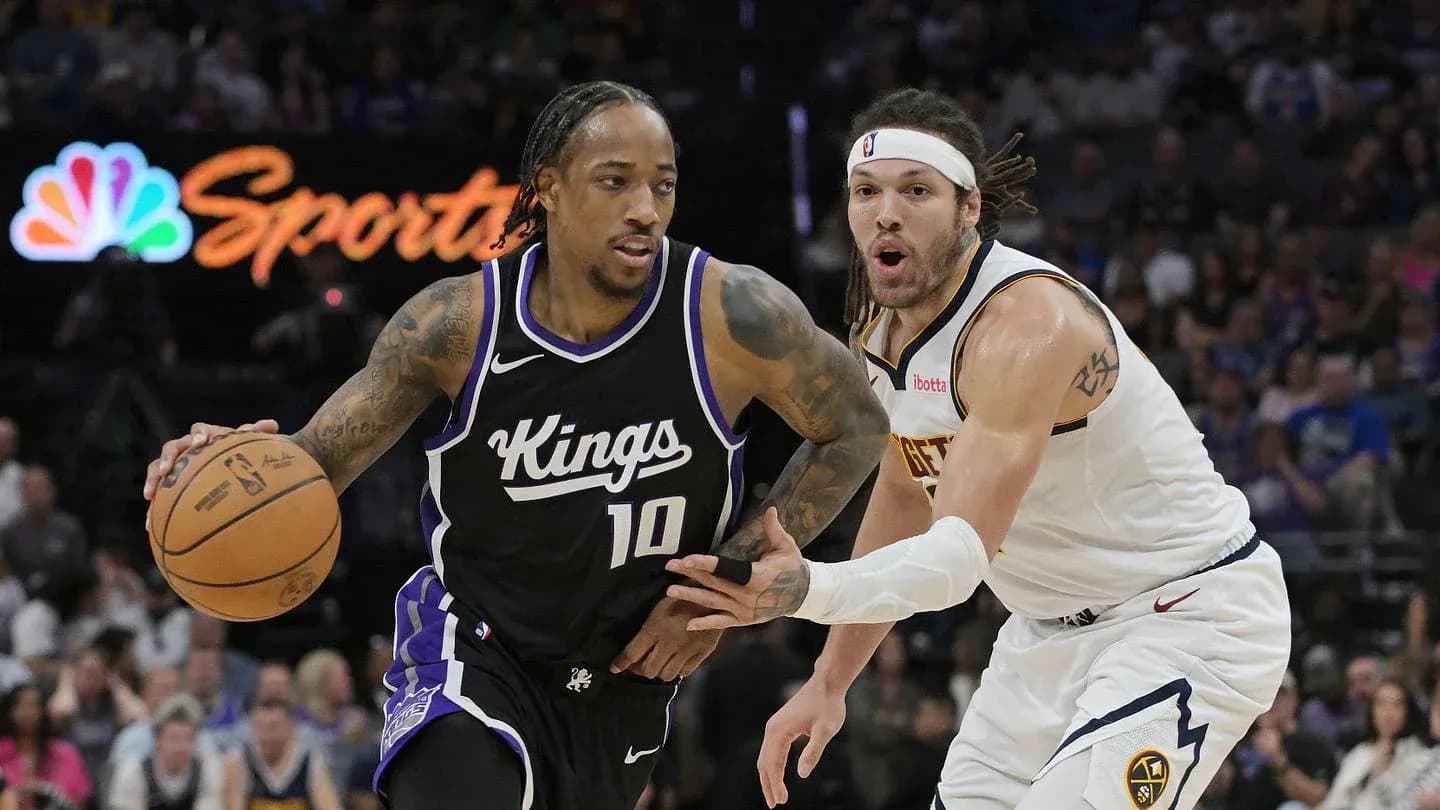
DeMar DeRozan in a Nuggets jersey makes basketball sense. DeMar DeRozan as a bench piece is where the story really starts.
Denver lost Tim Hardaway Jr. and Peyton Watson in the offseason and answered with a six-time All-Star, a 37-year-old wing whose résumé will put him in Hall of Fame conversations. On paper, that’s a major upgrade for a second unit that too often vanished when Jokic sat.
But this is not the usual DeRozan role. Not even close.
He has not come off the bench in an NBA game since his rookie season back in 2009-10. For 16 years, coaches have built offenses around him, handed him the ball, and lived with his midrange mastery and late-game decision-making. Now Denver is asking him to anchor a bench group, change his rhythm, and accept the label that comes with being a sixth man.
The Nuggets need him to say yes.
Without DeRozan, the bench looked thin, bordering on alarming. They were short on reliable ball-handlers, short on players who could create their own shot, short on veterans who could steady a game when Jokic and Jamal Murray take a breather. DeRozan checks all of those boxes: he can initiate offense, pick apart a defense in the half court, and still get to his spots as a scorer.
The concern is not whether he can still play. His production and consistency over 16 seasons have answered that. The intrigue lies in how he handles the change in status. Can a player who has spent his entire career as a primary or secondary star slide into a role that demands sacrifice, patience, and bursts of impact in shorter windows?
Denver’s title ceiling might depend on that adjustment.
Lonnie Walker IV and the Last Seat on the Bus
At the back end of the roster, another story is unfolding.
Lonnie Walker IV is back on an NBA fringe he probably feels he outgrew a long time ago. This is his second comeback attempt from the EuroLeague, where he spent last season with Maccabi Tel Aviv. The Nuggets have handed him a non-guaranteed one-year deal and a ticking clock: they have until opening night to decide whether he stays or goes.
He is 27. Squarely in his prime. And clearly good enough to play in this league.
His last NBA run, with the Philadelphia 76ers late in the 2024-25 season, showed as much: 12.4 points, 3.2 rebounds, 2.5 assists over 20 games. Those are not empty numbers. They came from a guard who can score off the bounce, handle the ball, and survive in multiple backcourt combinations.
The dilemma for Denver is strategic. There’s a belief within the organization that keeping the final roster spot open has value—flexibility for trades, buyouts, or midseason surprises. But this team also projects a backup backcourt of Tyus Jones and Julian Strawther, and Walker offers a different gear.
He’s more dynamic as a scorer than either. He can create his own look late in the clock. He can swing a quarter with a hot stretch. On a contender that has struggled to find bench offense in the playoffs, that matters.
So the question is simple, even if the decision isn’t: is that last roster spot worth more as an empty slot, or as Lonnie Walker IV trying to resurrect his NBA career in a rotation that might actually need him?
The answer will say a lot about how aggressively the Nuggets plan to chase every marginal edge this season.
The Heat on David Adelman
All of it, though, funnels back to one man.
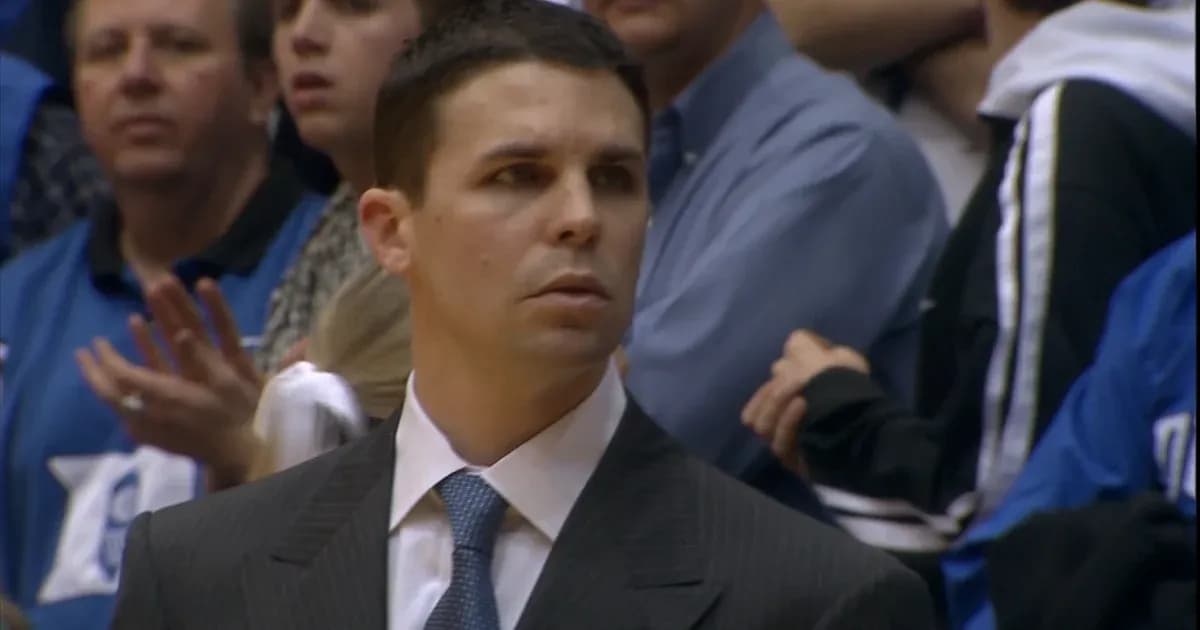
David Adelman enters his second full season as head coach with a roster that expects to contend and a recent playoff history that says otherwise. He took over three games before the 2025 postseason and never quite found the formula. That run ended in the second round. Last season ended even worse, with a first-round exit that stung across the organization.
Regular-season numbers only tell part of the story. Denver finished last year with the league’s top offense, powered by Jokic’s genius and Murray’s shot-making. But they paired that with the 21st-ranked defense, and that imbalance eventually caught up with them when the game slowed down and every possession mattered.
Adelman has to fix that. Not tweak it. Fix it.
The arrival of Dave Joerger as top assistant should help. Joerger built his reputation on defense and structure, on teams that made opponents work for every inch. The Nuggets don’t need to turn into a grind-it-out slugfest every night, but they do need to stop bleeding points when the pace drops and the scouting tightens.
Because this is the reality: as brilliant as Jokic is, as explosive as Murray can be, the Nuggets only go as far as Adelman’s schemes, adjustments, and playoff answers allow. So far, he has not proven he can steer this group through four rounds. The league has noticed. So has the locker room. So has the front office.
This season feels like a verdict year.
DeRozan’s buy-in. Walker’s fate. The defensive identity. All of it feeds into one central theme: Denver is out of excuses. The window is open, but it will not stay that way forever.
Adelman has one more chance to show he can lead a Jokic-era team where everyone in Denver expects it to go.